
Level 1 sweep and inspection to the NFPA 211 annual standard - flue, crown, cap, and flashing checked and photographed
Chimney sweep logs do not sweep chimneys. They loosen some creosote - which then falls where a brush and vacuum still have to collect it.
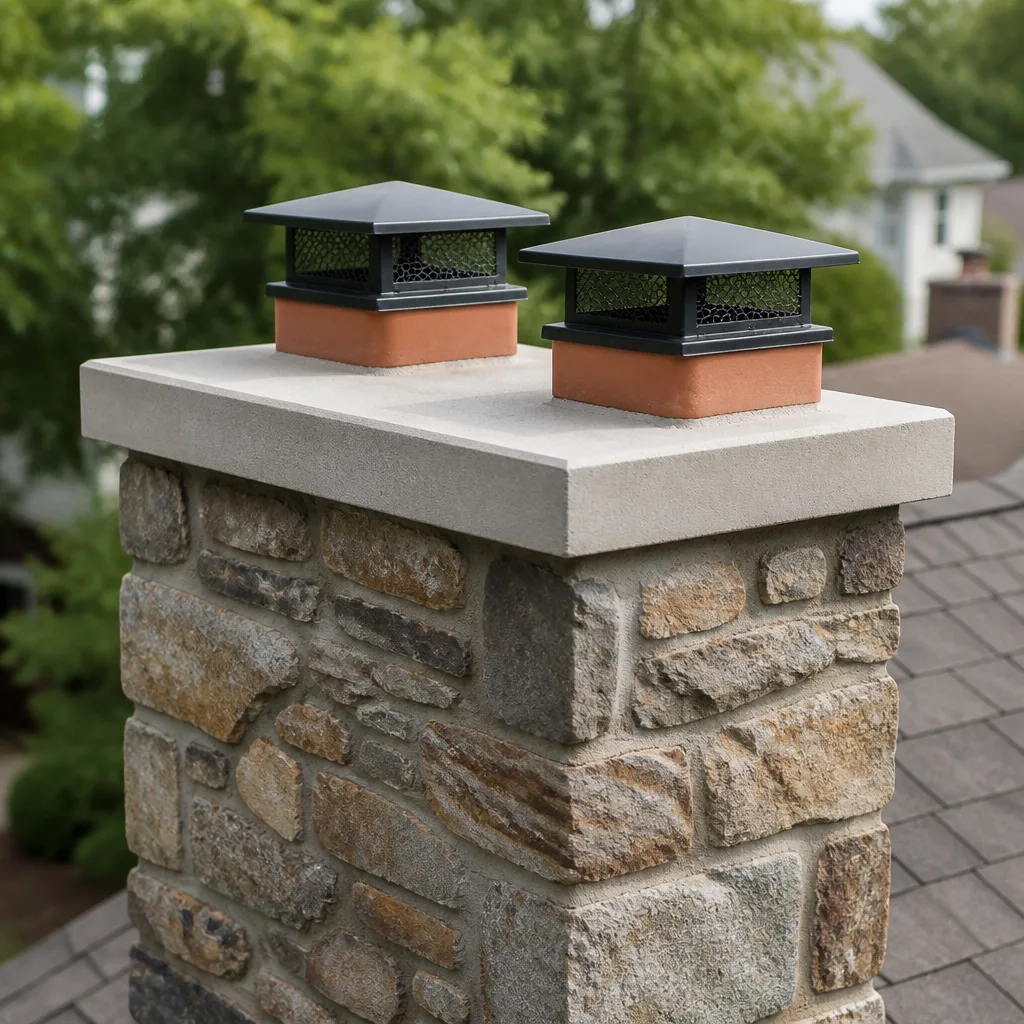
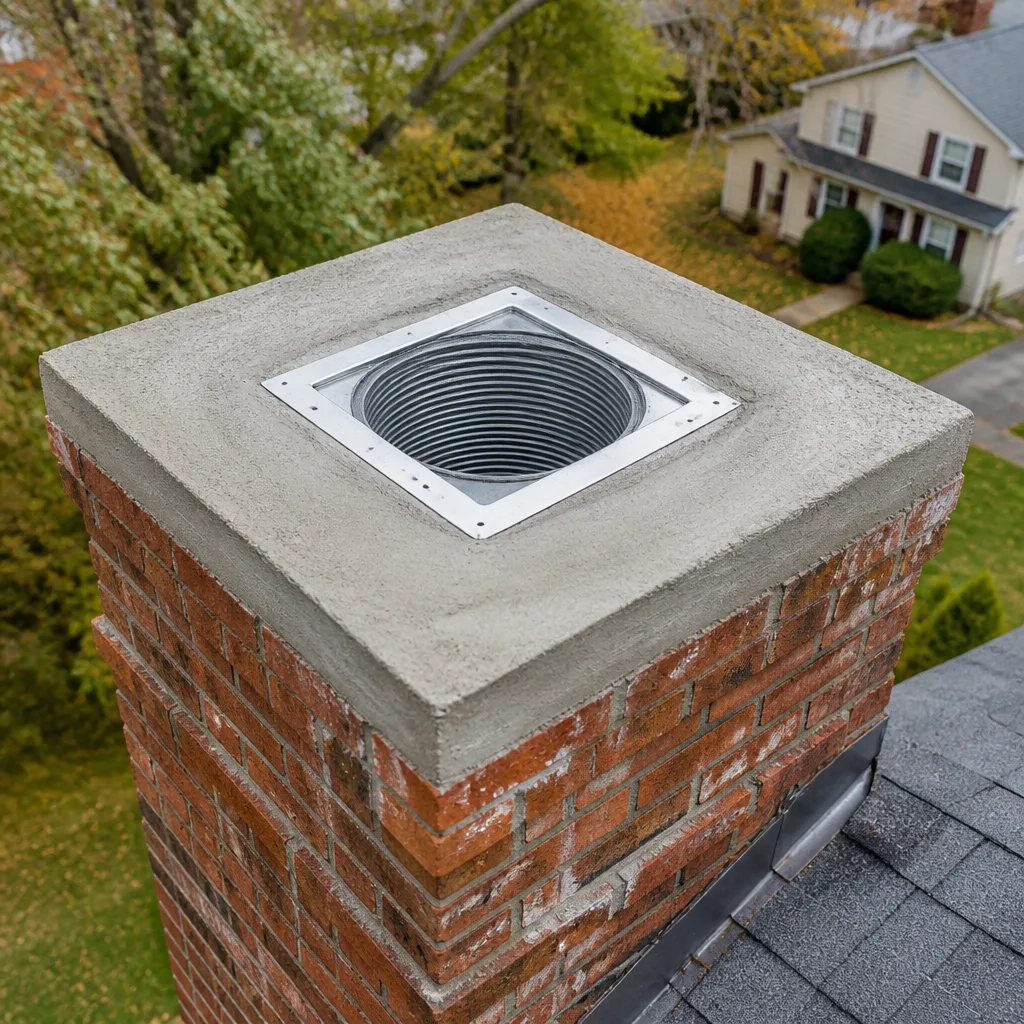
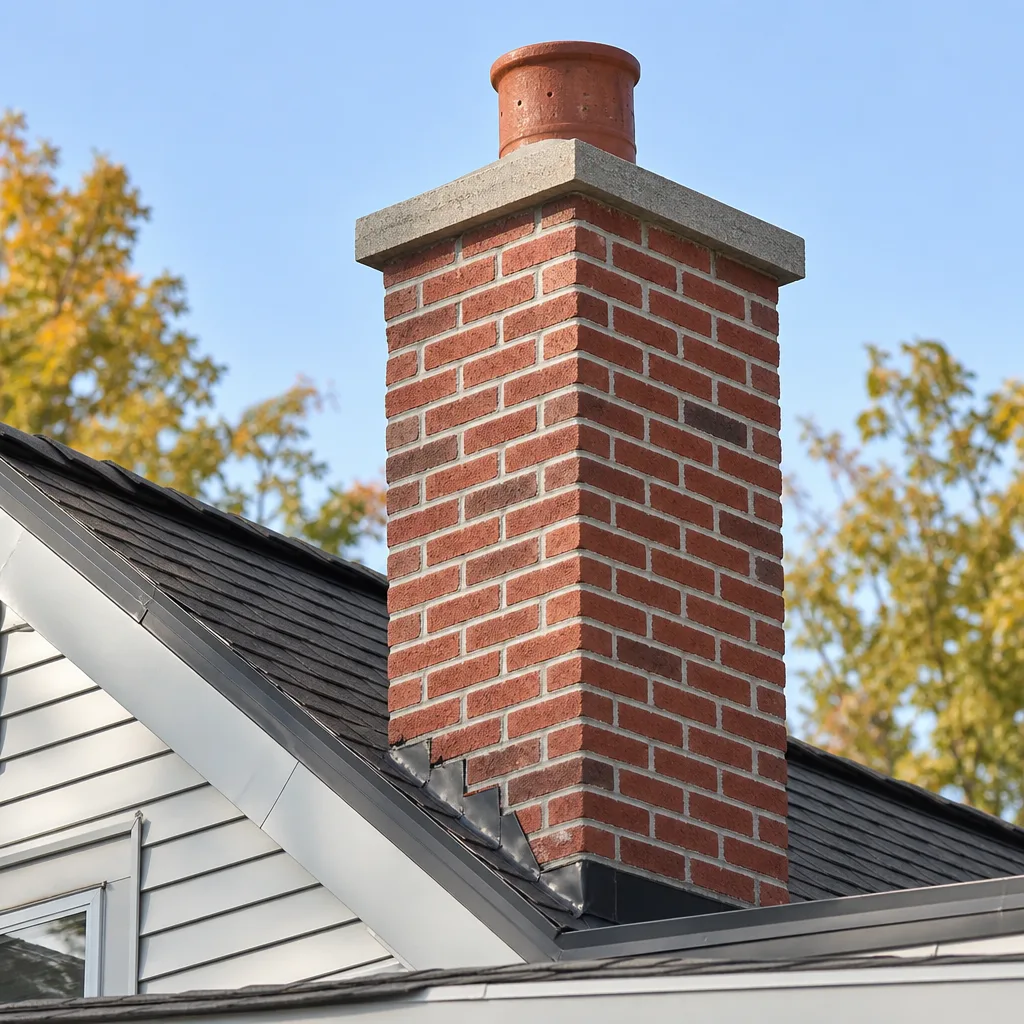
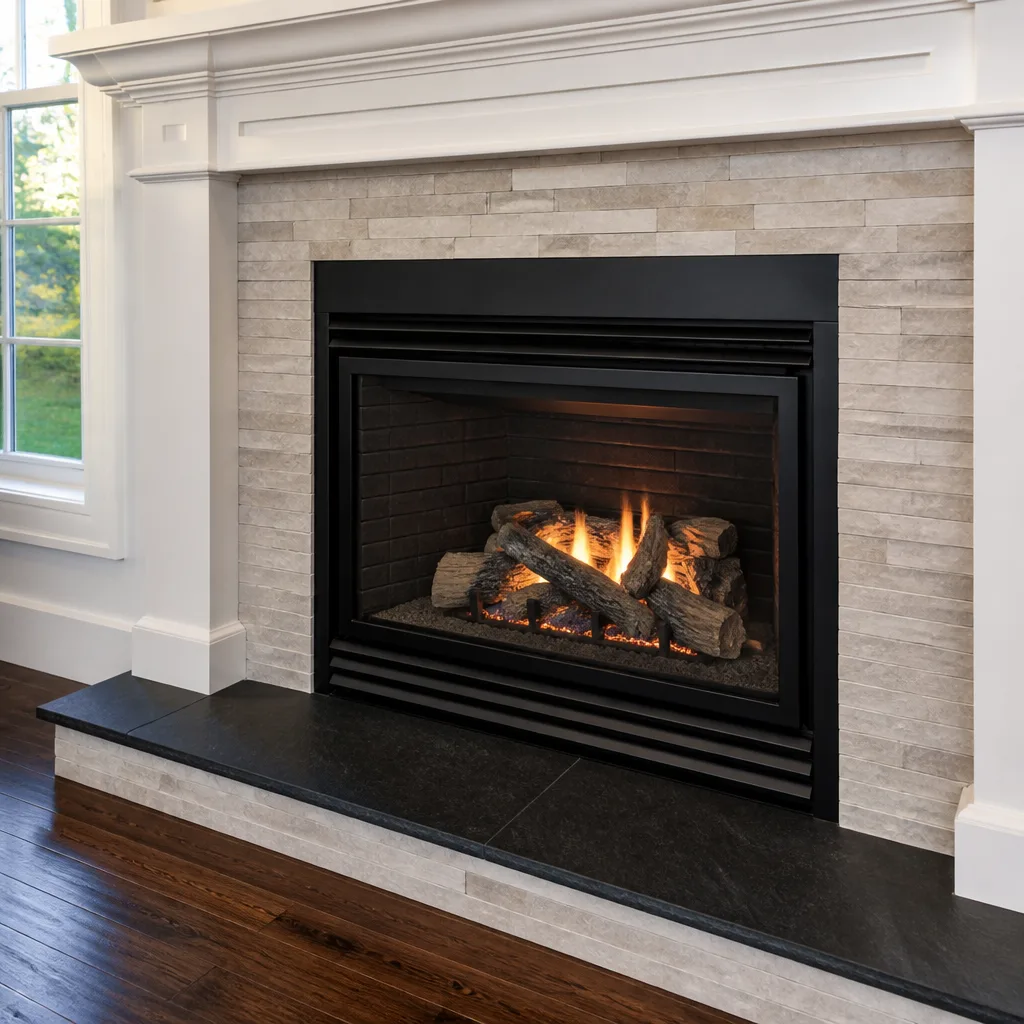
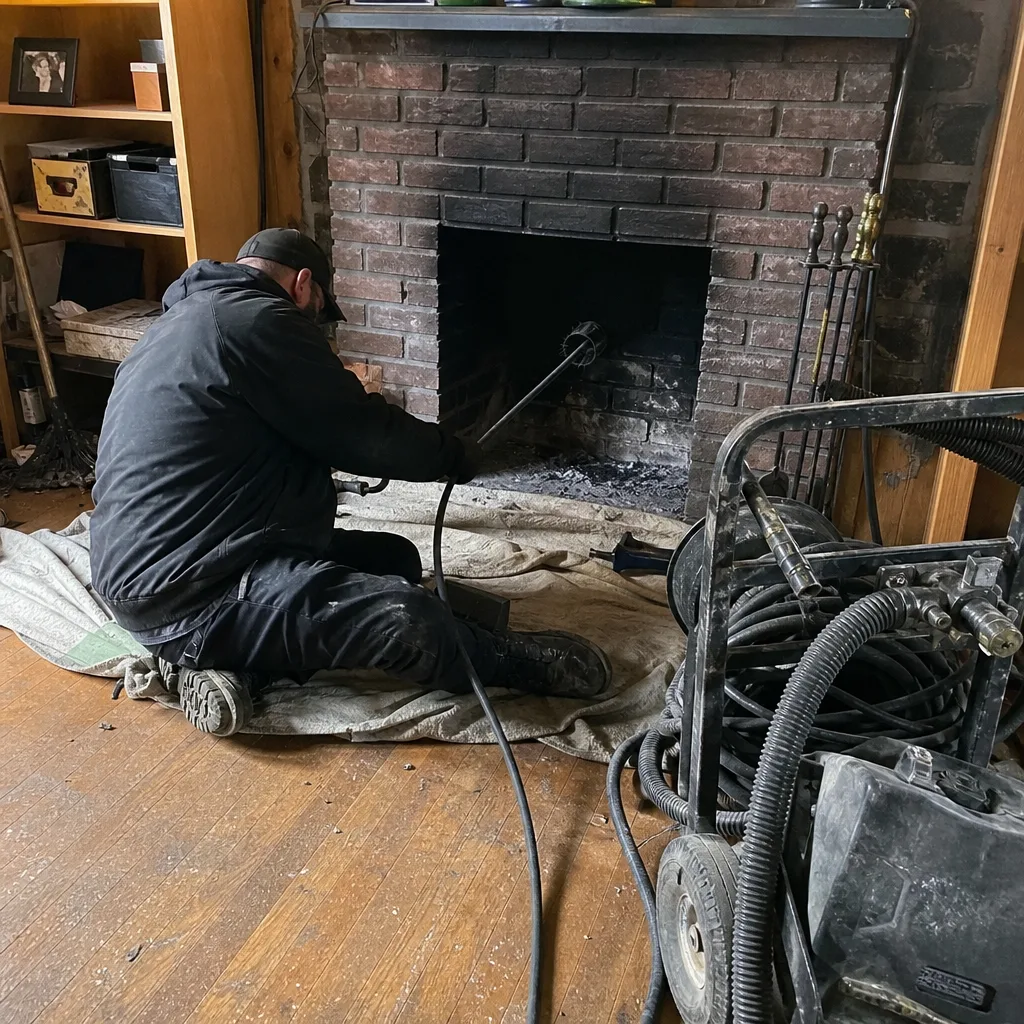 Before
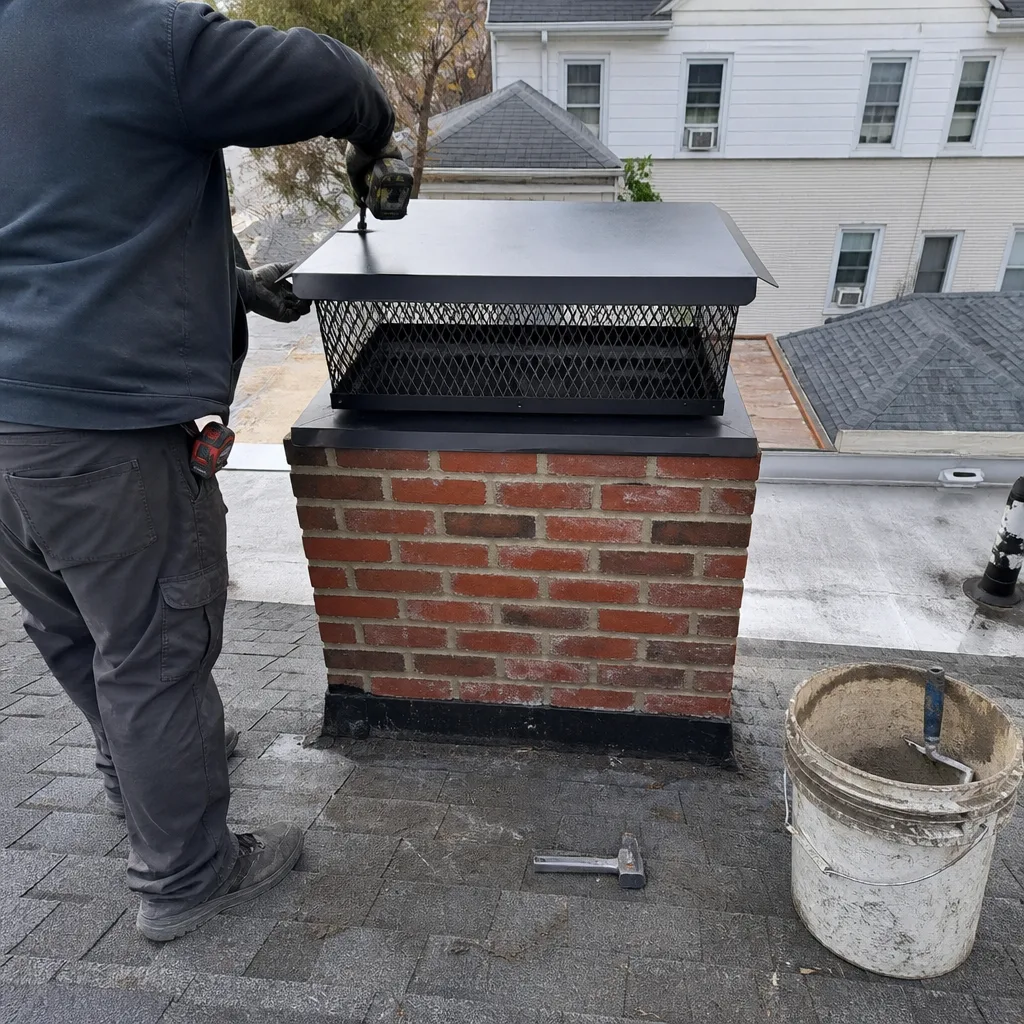 After
After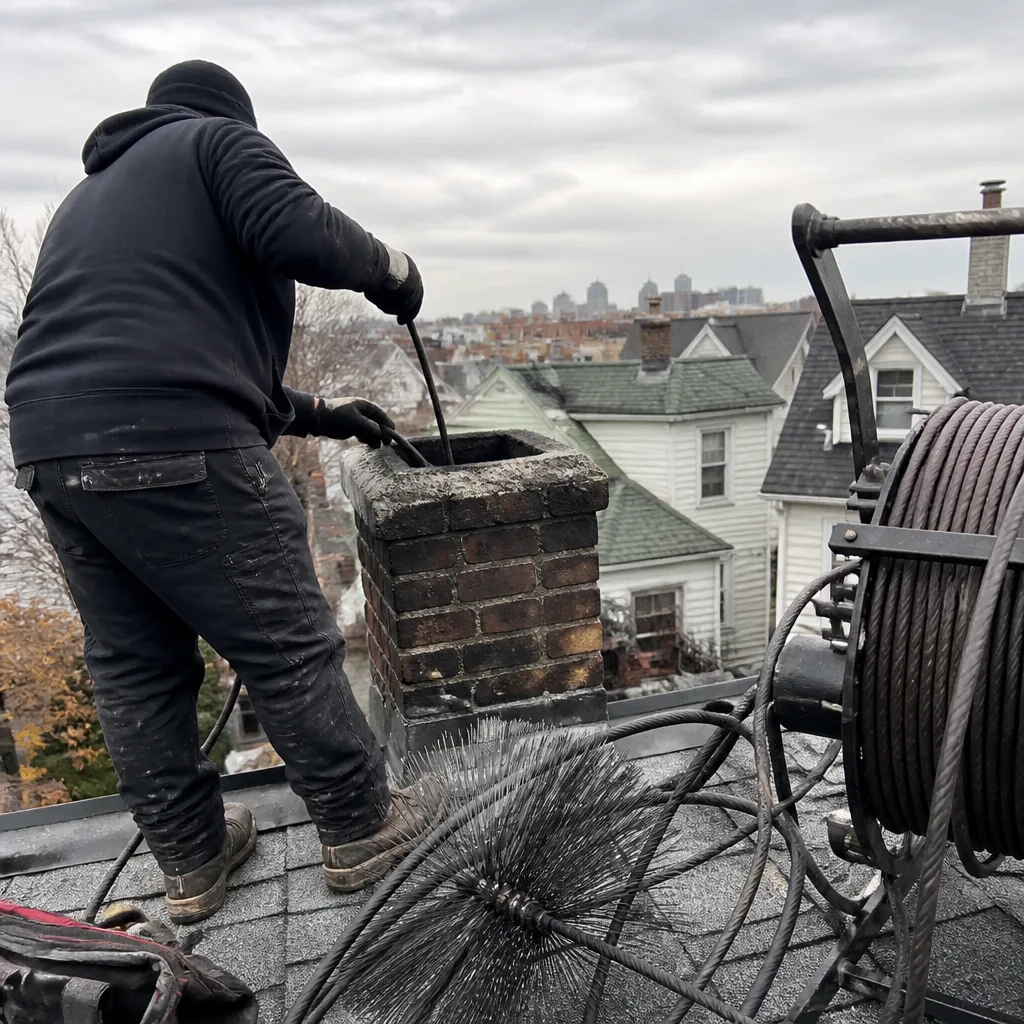 Before
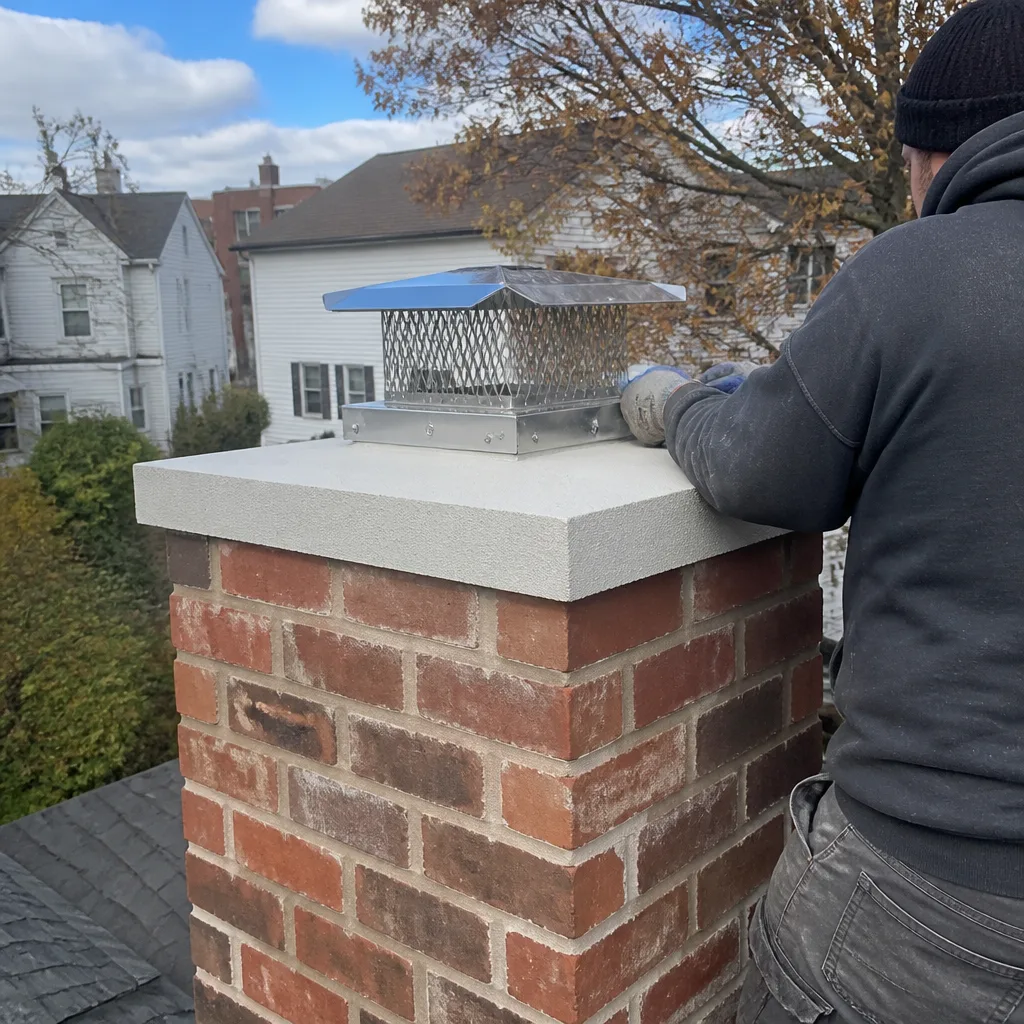 After
After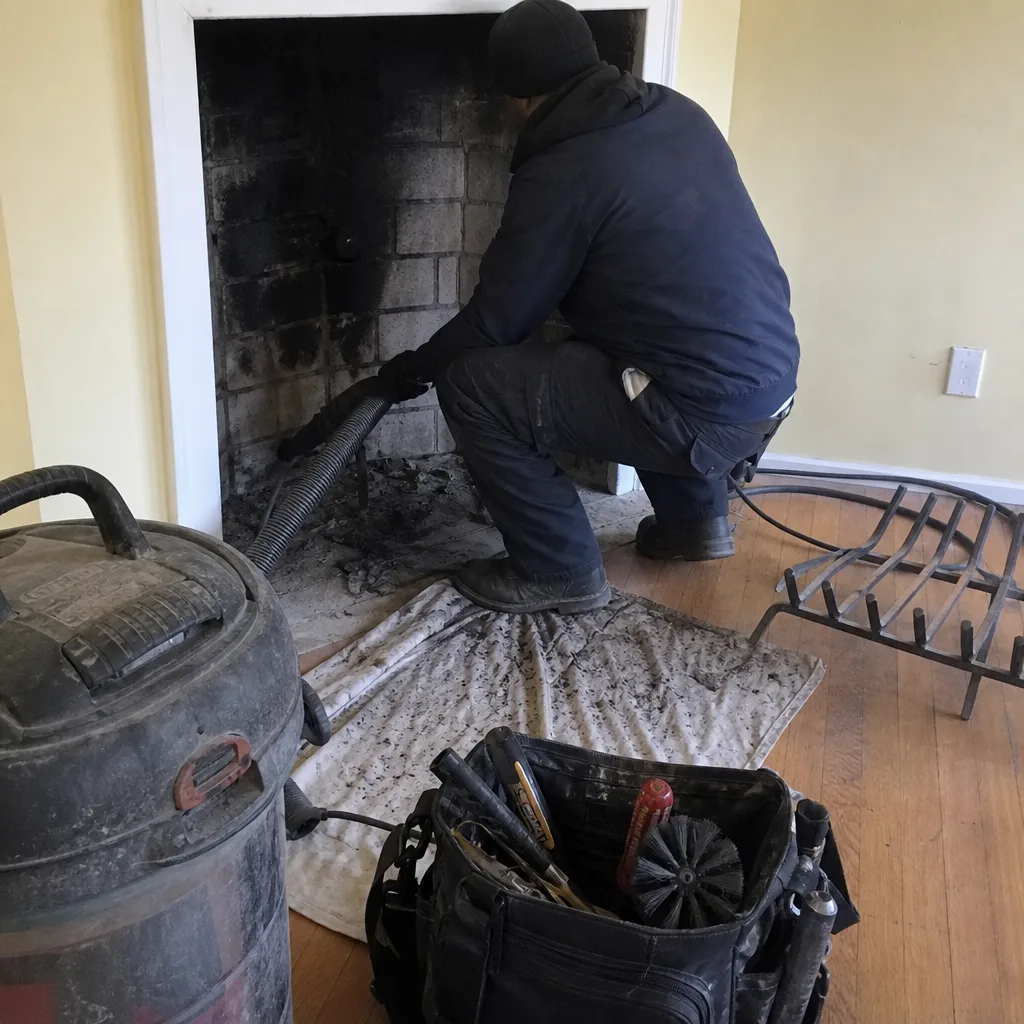 Before
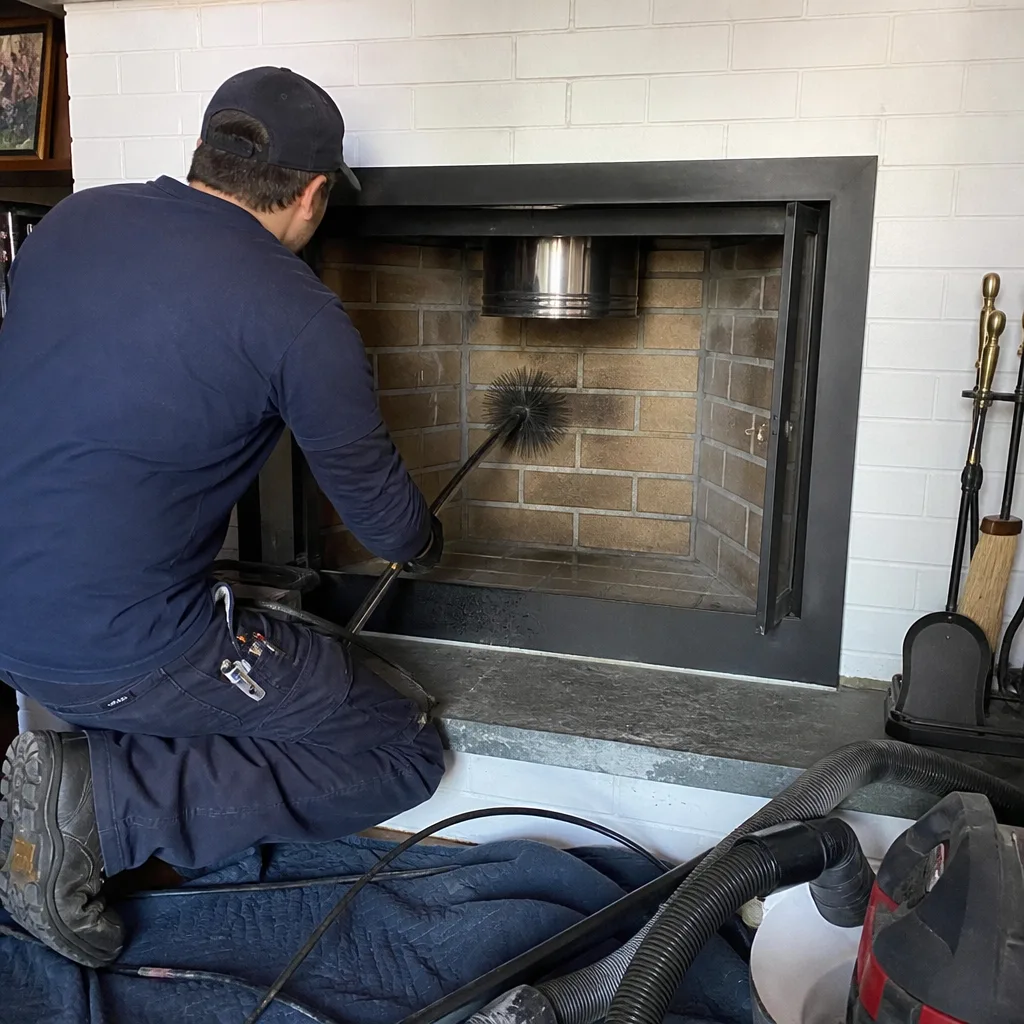 After
AfterWhy Astoria Homeowners Choose DuraFlex Chimney Cleaning
DuraFlex chimney cleaning in Astoria costs between $189 and $289 for a standard sweep and Level 2 camera inspection, and we service every major DuraFlex liner line including 316L flexible stainless, AL29-4C, smooth-wall polypropylene, and DuraVent Direct-Vent Pro. We’re an independent Astoria Duraflex service provider, not a manufacturer affiliate, which means we diagnose what your liner actually needs rather than what a brand program tells us to sell. If you own a DuraFlex liner in one of Astoria’s prewar brick rowhouses or two-family walk-ups, call (516) 301-1549 and we’ll give you a written price before we touch anything.
Why Trust Level Two Chimney Astoria for Your DuraFlex Chimney Cleaning?
DuraFlex liners are common in Astoria because they’re a practical relining solution for the neighborhood’s original terra cotta flues, which were built for coal and never meant to handle the acidic condensate produced by modern gas furnaces. Our technicians work on these systems every week and know the specific ways DuraFlex products fail in this housing stock. Corrine Halstead, who runs our Astoria operation, spent years cleaning and inspecting fireplaces in the brick rowhouses along Steinway Street and the blocks around it. She learned the diagnostic side of the work at LaGuardia Community College and has logged hundreds of DuraFlex liner conditions on camera. The camera doesn’t guess. Neither do we.
Every job gets a written price, a written scope, and a written warranty before work starts, under Clause 1 of the Haven Standard. That’s the whole point. You shouldn’t have to wonder what the bill will be when a tech is already standing in your living room. We also run a 365-Day Done Right Promise: if the work isn’t done right, we make it right.
Common DuraFlex Chimney Cleaning Problems We Fix in Astoria
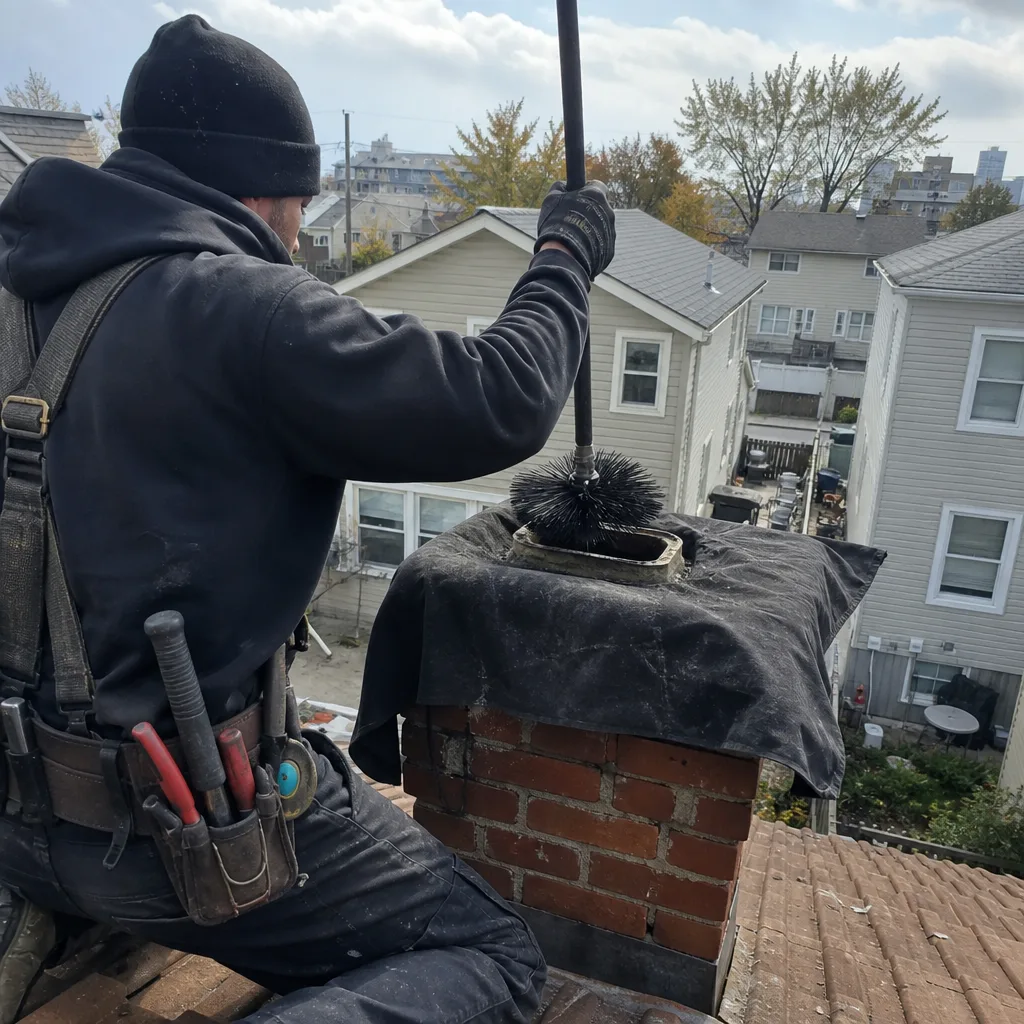
- 316L Flexible Chimney Liner - corrosion pitting at seam welds. Gas-fired systems in Astoria’s converted oil and coal chimneys produce acidic condensate that eats at the weld seams first. We see this on liners installed as recently as five years ago when the original flue wasn’t properly sized for the appliance. The fix is usually section replacement or full relining, not just cleaning, because cleaning can’t restore metal that’s already pitted through.
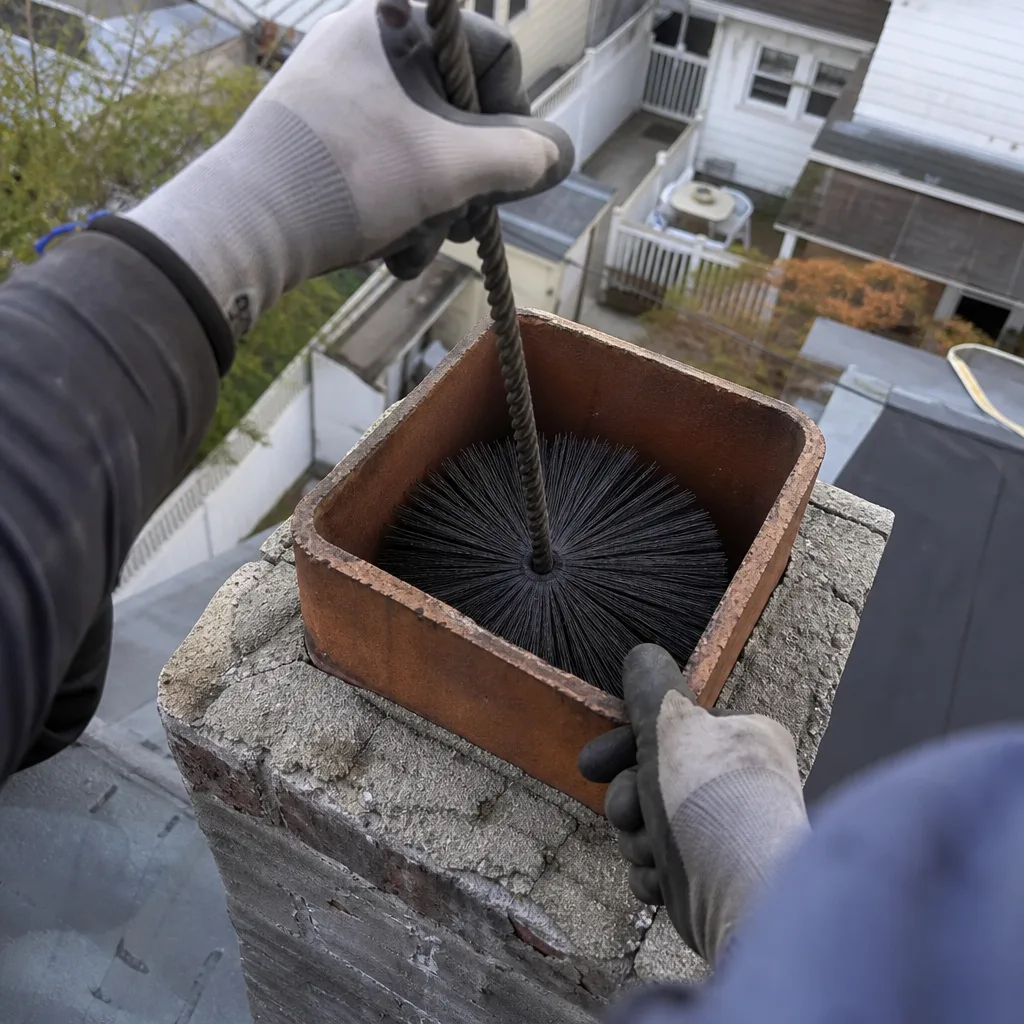
- Creosote glazing on corrugated interiors serving wood stoves. The corrugations in a flexible DuraFlex liner give creosote more surface area to adhere to. We remove Class II and III creosote with rotary whips, then camera-scope the full length to verify the seams weren’t compromised during cleaning.
- Polypropylene liner sagging or kinking through offset flue paths. Smooth-wall polypropylene liners are rigid and don’t bend around offset flues the way flexible stainless does. In Astoria’s older chimneys, where original flues often jog sideways through party walls, installers sometimes force a short-radius bend that creates a kink. We clean what’s serviceable and tell you plainly when the liner needs to be rerun.
- Gap formation at locked-together liner joints after thermal cycling. Heat expansion and contraction eventually works locked joints loose, especially on liners serving appliances that cycle on and off frequently. Even a small gap lets flue gas escape into the chimney cavity or, worse, an adjacent unit through a shared stack. We identify these gaps with the Level 2 camera and repair them with genuine DuraFlex components.
- Condensation damage in shared party-wall stacks. Astoria’s attached brick homes often have one masonry chimney serving two or three units, each with its own flue. When one liner fails and vents moisture into the stack, it accelerates deterioration in the neighboring flues too. We’ve scoped liners on one side of a party wall and found the adjacent liner already showing the same pitting pattern. That’s the shared-stack reality here.
 Before
 After
AfterDuraFlex Parts & Our Repair-vs-Replace Approach
We use genuine DuraFlex replacement components when rebuilding a liner joint or adding a cap adapter, because joint compatibility matters more than saving a few dollars. For termination caps, though, we’ll recommend a quality aftermarket cap if it provides better water protection for Astoria’s salt-laden East River exposure. The honest answer on repair versus replace is this: if a liner shows significant wall thinning or multiple perforations, we advise replacing the affected section. Cleaning cannot restore compromised metal. If the liner is structurally sound and the issue is buildup or a loose joint, we fix it and tell you exactly what we did, with photos. Call (516) 301-1549 for a written assessment.
Our DuraFlex Service Process - Step by Step
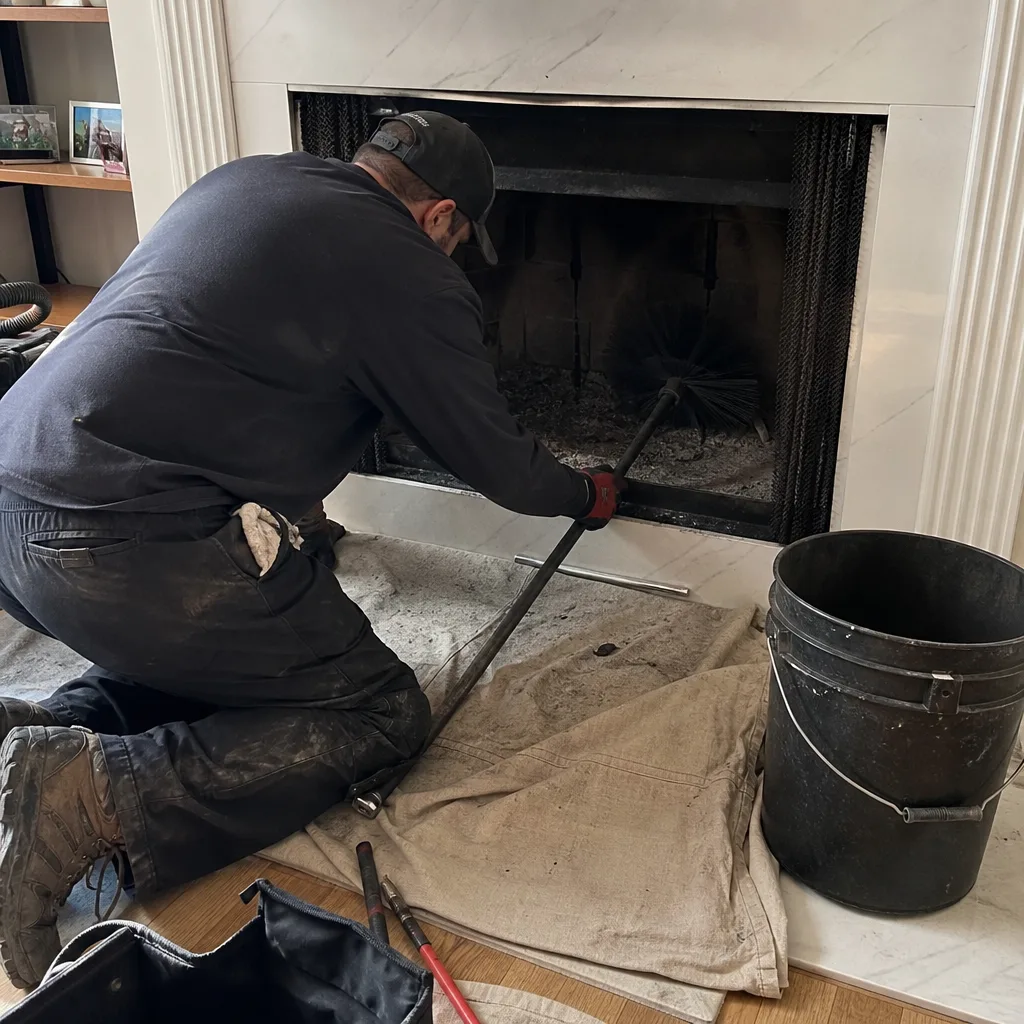
- 1
Diagnosis. We start with a Level 2 camera inspection down the full flue length. For DuraFlex liners, we’re specifically checking seam weld integrity, joint alignment, wall thickness where accessible, and creosote class if it’s a wood-burning system.
- 2
Repair or cleaning. Creosote removal uses rotary whips sized to the liner diameter, never steel rods that can gouge the corrugated interior. Joint repairs and cap replacements use genuine DuraFlex parts. Section replacements are quoted as a line item with the exact part number.
- 3
Verification. After any cleaning or repair, we scope the liner again and confirm the seams, joints, and interior condition. You get the camera footage and still photos, not our word for it. Clause 4 of the Haven Standard requires a documented photo record on every job, and we’ve kept that archive running since 2009.
- 4
Warranty. Every job wraps with a written warranty, and the 365-Day Done Right Promise applies to the full scope of work. If something isn’t right, we fix it.
DuraFlex Products We Service & Install in Astoria
We service and install the full DuraFlex residential line: the 316L Flexible Chimney Liner for wood and gas applications, the Smooth Wall Polypropylene Liner for high-efficiency gas condensing appliances, the AL29-4C Stainless Steel Liner for high-temperature gas and oil systems, and DuraVent Direct-Vent Pro for direct-vent fireplaces and stoves. We stock common connector sizes, tee caps, and adapters locally so the common repairs don’t wait on a distributor order. For full relining projects through Astoria’s oversized original flues, we’ll pull the spec sheet, measure the actual flue path, and order the exact liner length and diameter for the appliance you’re actually running.
We Also Service These Brands
DuraFlex is a big part of what we see in Astoria’s prewar stock, but it’s not the only liner material out there. We also service and install HeatShield cerfractory flue sealant systems and Gelco liners, which means we’ll recommend what works for your chimney rather than pushing a single product line.
FAQs - DuraFlex Chimney Cleaning Service in Astoria
Yes. Chimney Cleaning & Sweep with rotary poly whips sized to the liner’s diameter rather than steel rods or aggressive wire brushes. The whip breaks up creosote without grinding against the corrugation valleys, and we follow with a camera scope to confirm the interior surface is clean and undamaged.
That’s almost always acidic condensate, not a product defect. When a gas furnace or water heater vents into a flue that’s oversized for the appliance, exhaust gases cool too quickly and condense inside the liner. The condensate is mildly acidic and attacks the weld seams first. We see this constantly in Astoria’s older chimneys, where original flues were sized for coal or oil. The fix is sizing the liner to the appliance, not replacing it with the same wrong size. Call (516) 301-1549 and we’ll scope it and give you the reading.
Yes. Polypropylene liners are for gas-fired condensing appliances and don’t accumulate creosote the way wood-burning stainless liners do. We clean them with soft brushing and inspect for kinks, sagging, or joint separation caused by installation through offset flue paths. The failure modes are mechanical, not combustion-related.
Cleaning won’t cause further separation if we’re using the right whip, but the gap itself is the problem. A gap at a locked joint means flue gas is escaping into the chimney cavity or an adjacent flue in a shared stack. We’d camera-scope it, document the gap, and recommend a joint repair with genuine DuraFlex components. That repair is straightforward and far cheaper than waiting for the gap to widen.
We clean from the bottom up. On a two-family walk-up near Astoria Park, our tech found a DuraFlex 316L liner serving a basement wood stove that was fully plugged with hard, glazed creosote in its lower 12 feet. We removed the tee cap, rodded the clog with a rotary whip, and then scoped the liner with a Level 2 camera to confirm the seam welds were still intact before the homeowner used the stove. The visual inspection showed only minor surface staining, so no liner replacement was needed. That’s the typical Astoria rowhouse job.
A standard DuraFlex chimney cleaning with a Level 2 camera inspection runs $189 to $289 in Astoria, depending on liner length, creosote class, and access. Joint repairs, cap replacements, and section relining are quoted separately as line items with the exact part numbers. Call (516) 301-1549 for an exact written quote. Estimates are free, and we don’t start work without one.
Written by Corrine Halstead, Owner at Level Two Chimney Astoria, serving Astoria since 2009.
Book Your DuraFlex Service in Astoria, NY
Call (516) 301-1549 for a written quote on DuraFlex cleaning, inspection, joint repair, or full relining in Astoria. A live person answers 24/7, and we’ll have a background-checked, uniformed technician at your door with the camera and the price on paper before any work starts.