
Level 1 sweep and inspection to the NFPA 211 annual standard - flue, crown, cap, and flashing checked and photographed
Chimney sweep logs do not sweep chimneys. They loosen some creosote - which then falls where a brush and vacuum still have to collect it.
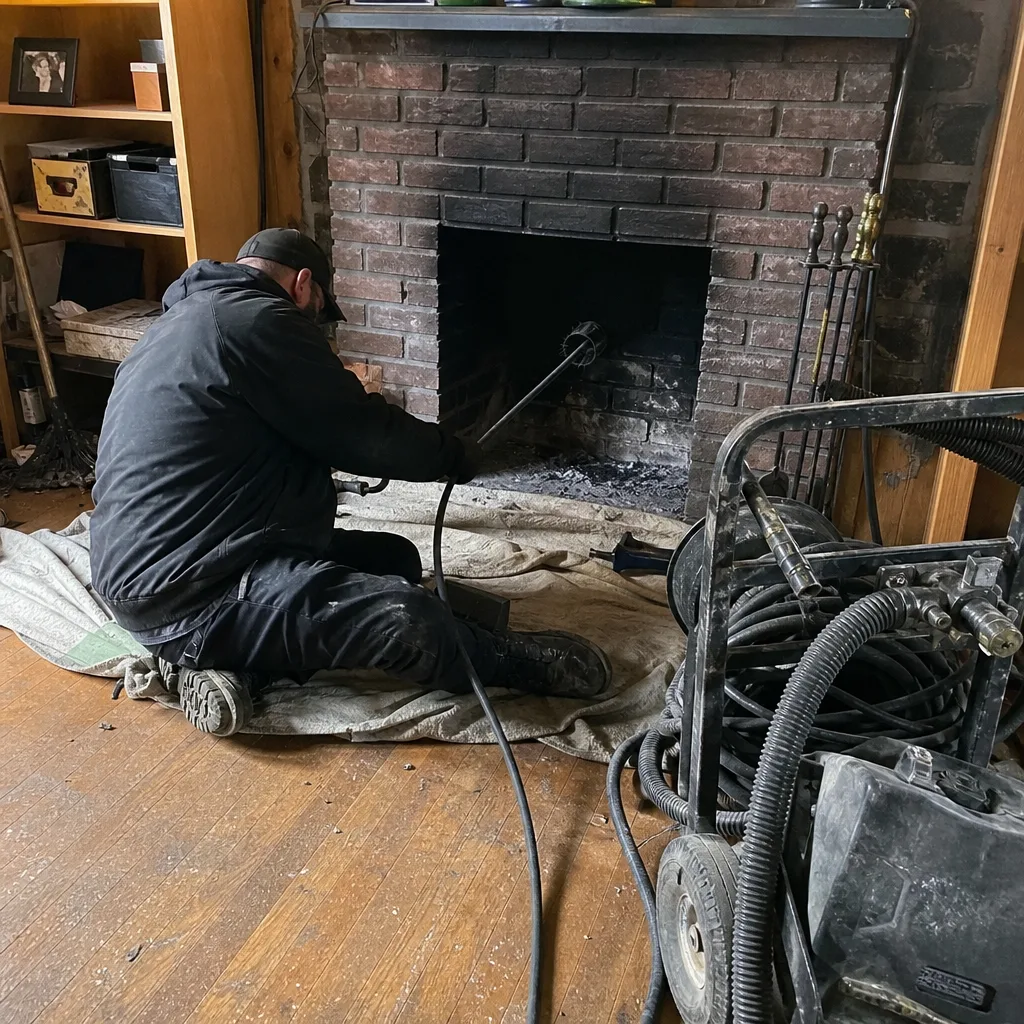 Before
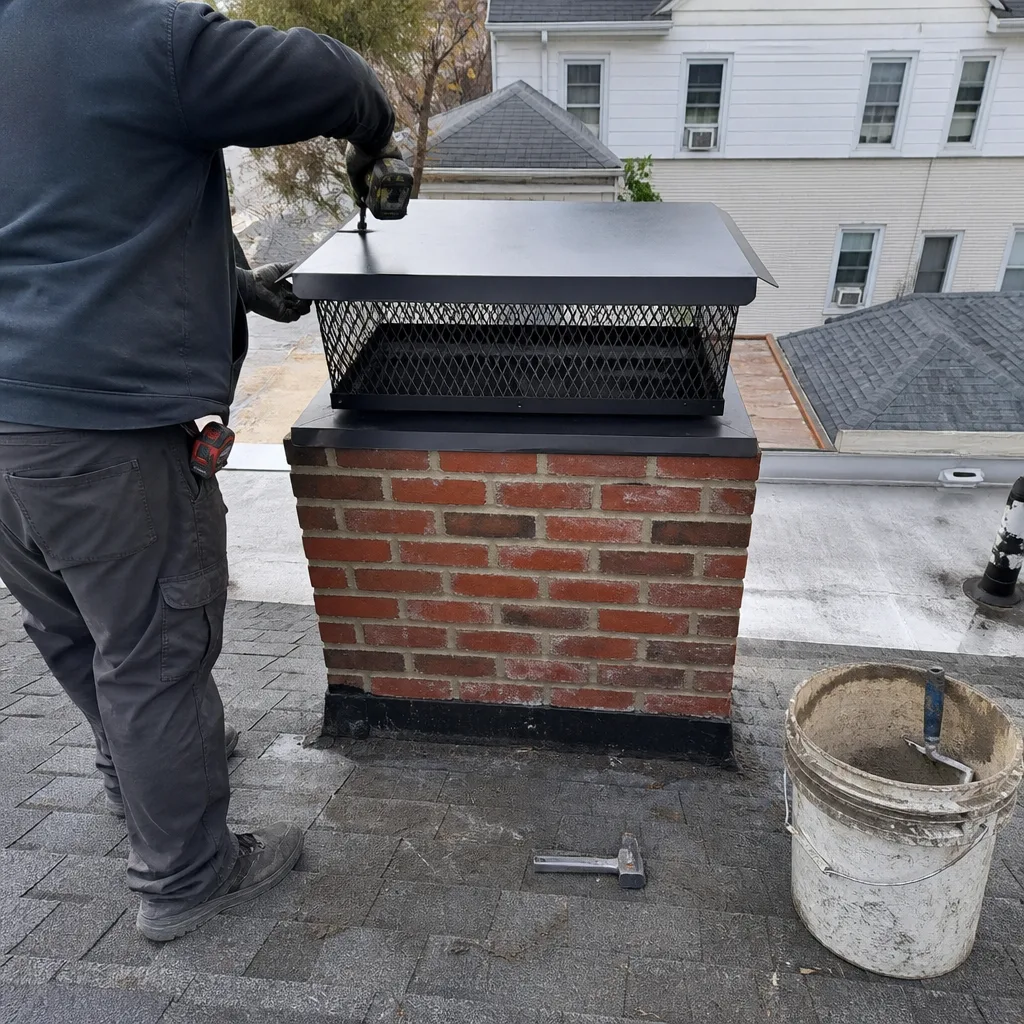 After
After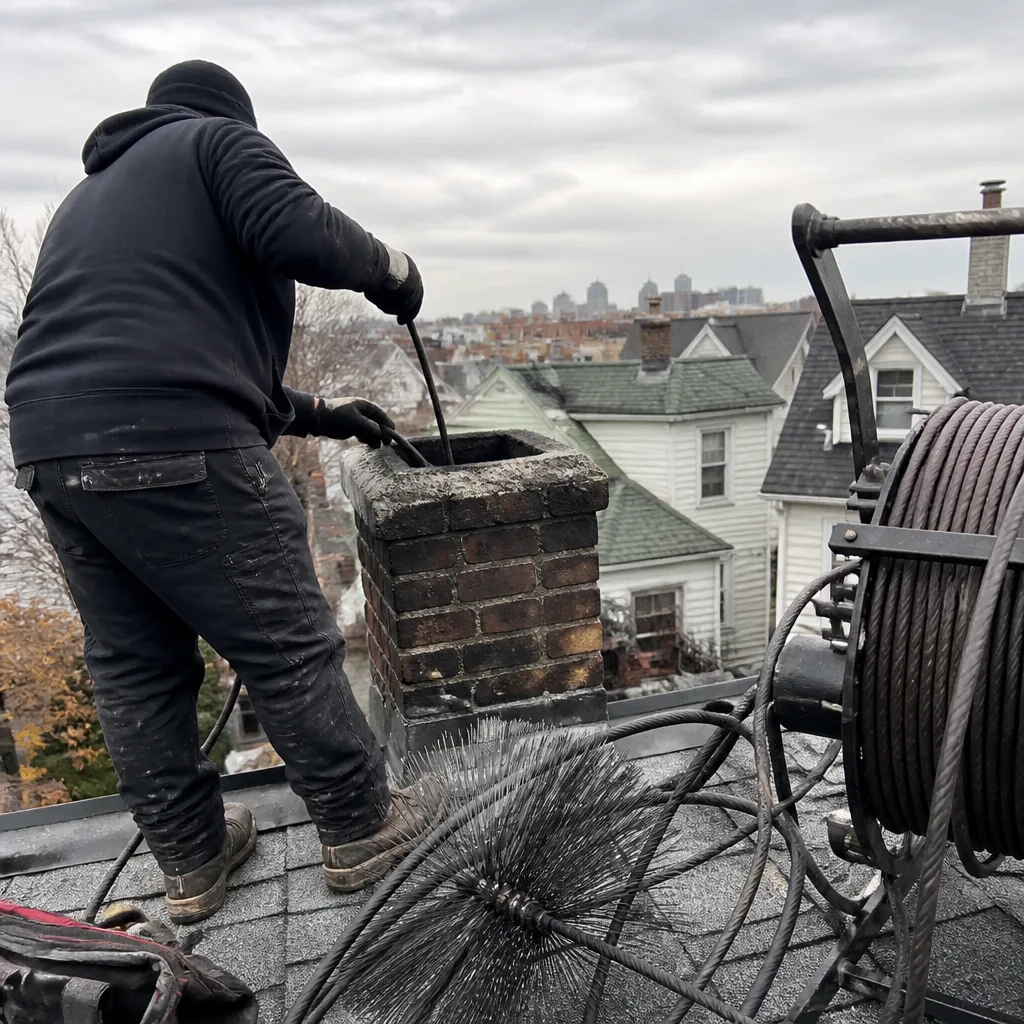 Before
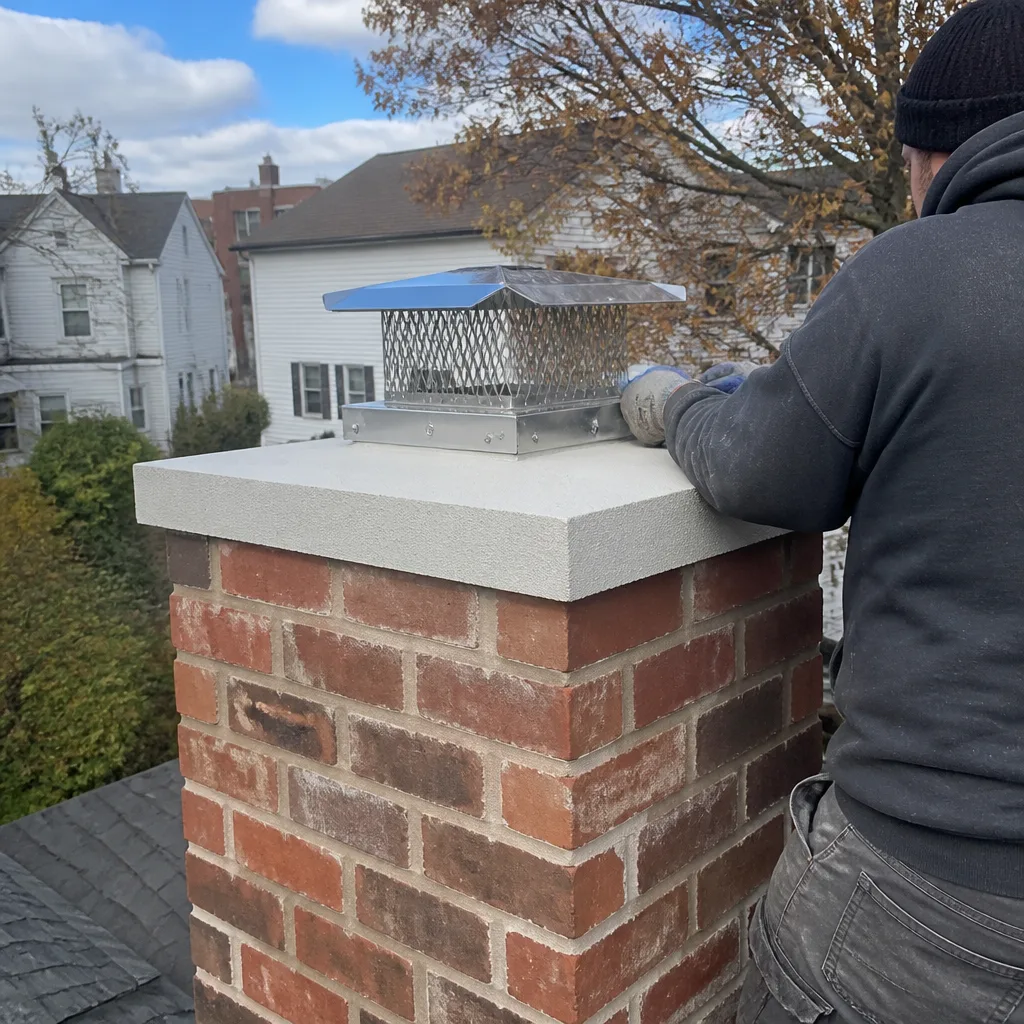 After
After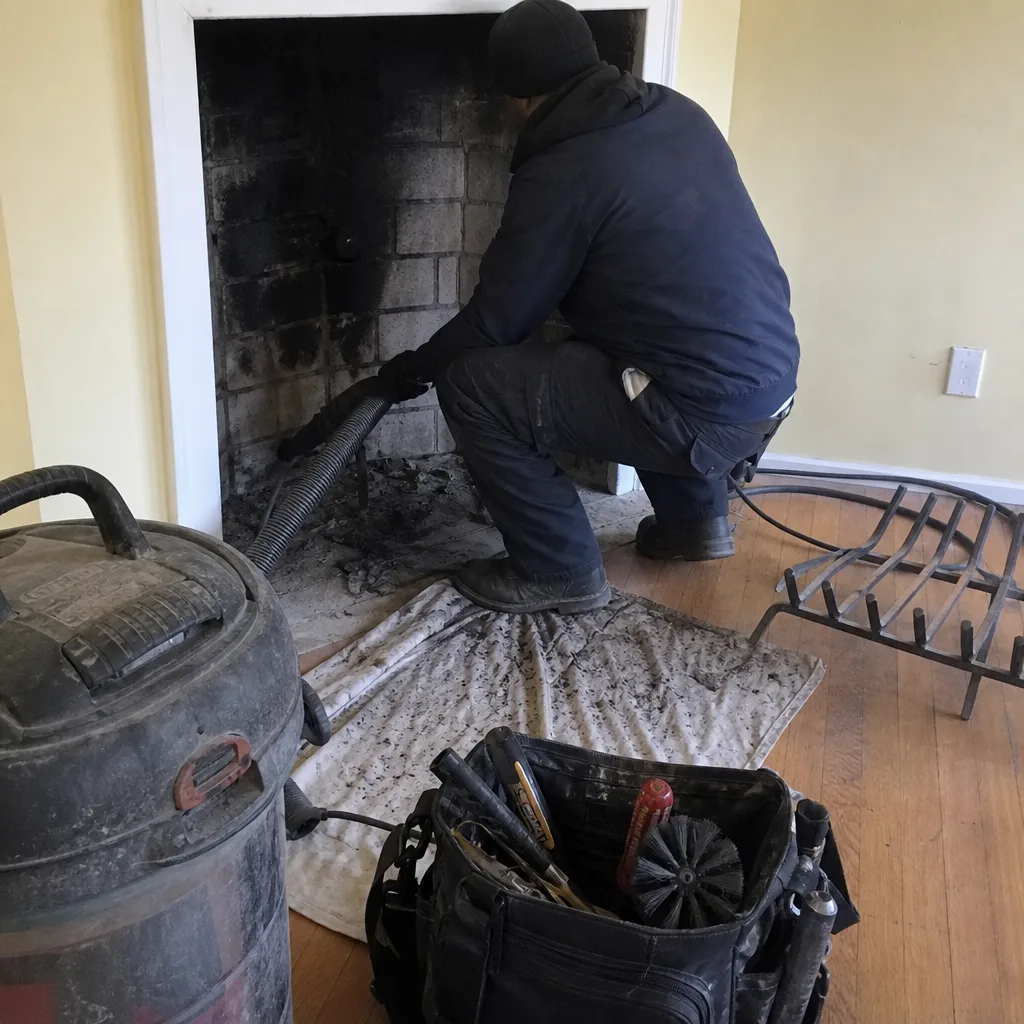 Before
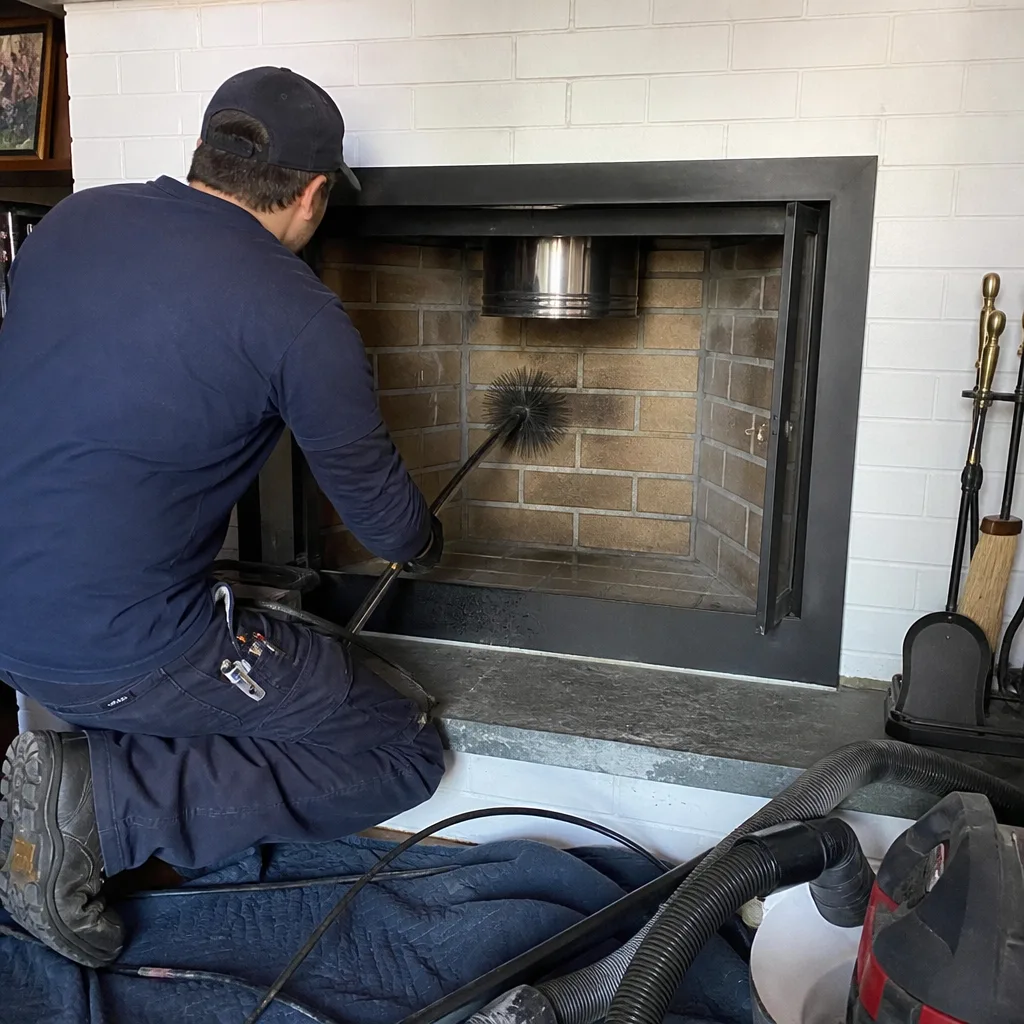 After
AfterFamco Flue Liner Replacement: The Astoria Owner’s Guide
We stock and install Famco-compatible flue liner replacements in Astoria, with most jobs running between $1,800 and $4,200 installed, depending on the liner diameter, length, and whether we’re working from the roof or through the firebox. Most Astoria homeowners discover the problem the same way: a chimney sweep flags it during an inspection, or a neighbor’s rowhouse job exposes a shared-wall flue issue. Some find out the harder way, when the furnace kicks on and the carbon monoxide detector follows.
Which Famco Models This Applies To
Famco has been manufacturing flue components out of the Midwest since the 1970s, and their liner profiles show up constantly in Astoria’s brick rowhouses and prewar apartment conversions. The replacement question usually involves one of three families: the older rigid stainless liners common in 1980s and 1990s furnace flues, the flexible aluminum liners sized for gas water heaters and boilers, or Famco’s stainless flex kits that paired with their cap and top-plate systems. Level Two Chimney Astoria is an independent service provider, not affiliated with Famco, but we source genuine Famco components and quality aftermarket equivalents through our buying network.
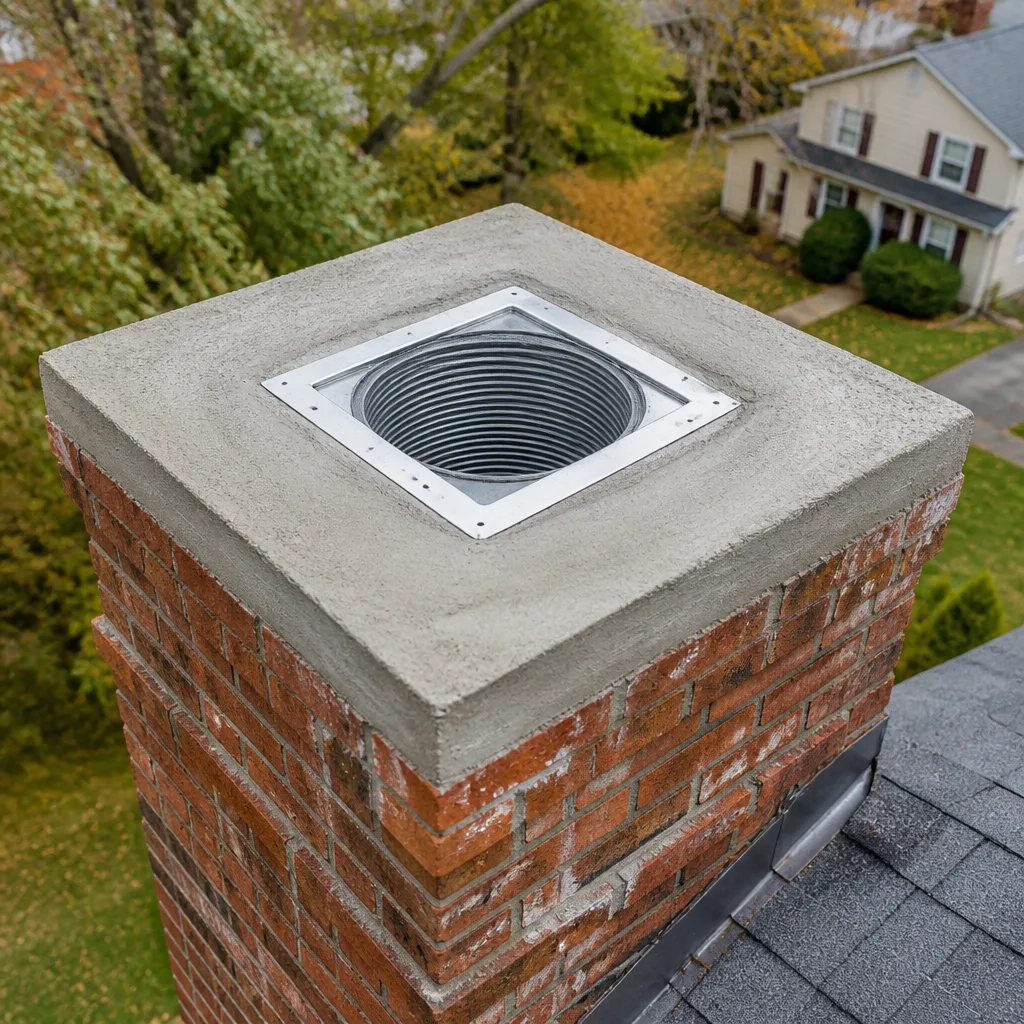
The gotcha most owners hit: Famco’s flex liners were sold in odd increments, so an old 5-inch liner from a 1992 install often measures closer to 4.85 inches inside after decades of thermal cycling. You can’t just order a “5-inch replacement” and assume it’ll fit the existing top plate and appliance collar. We measure the actual inside diameter with a caliper before quoting anything. The label, if it’s still legible, lives near the top of the liner where it meets the cap, or on the appliance connector at the base.
For most Astoria homes, we recommend a quality aftermarket 316L stainless liner over chasing an exact Famco OEM match. The alloy matters more than the brand stamp. 316L holds up far better against the condensate that Queens’ humidity and gas appliance use produce, and it’s what we’d put in a house on 31st Avenue or anywhere near the water where corrosion runs hotter. If your homeowner’s policy or a prior inspection report specifically requires a Famco-branded component, we can get it; otherwise, we’ll spec the alloy and gauge first.
Signs Your Famco Flue Liner Replacement Is Failing
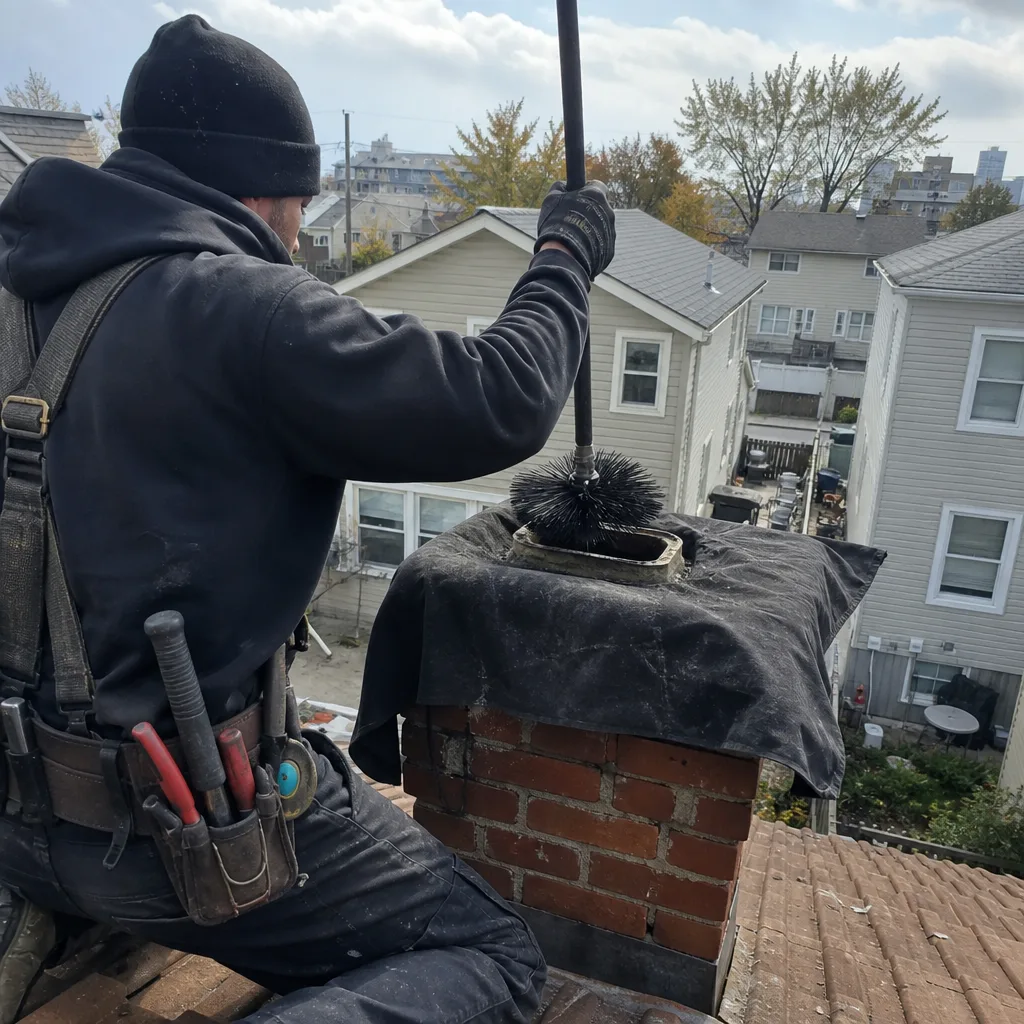
- Flaking metal or rust staining at the furnace or water heater connection. This means the liner’s inner wall is corroding from condensate that never fully evaporates between cycles, common in tight Astoria basements with limited makeup air.
- A new “sandy” grit inside the firebox or at the base of the chimney. That’s usually degraded liner material or mortar working down from the flue, and it’s a sign the liner is shedding.
- Exhaust odors in the living space when the boiler runs. A corroded or separated liner section stops carrying combustion gases up and out. This is not a smell to sit on.
- Visible staining on interior walls adjacent to the chimney chase. In Astoria’s attached row houses, a leaking flue liner shows up as brown streaking on a shared wall before it shows up anywhere else.
- The previous sweep noted a “compromised liner” or “flue gas leakage” and you waited. We see this note on dozens of Astoria inspection reports every heating season. The liner doesn’t heal.
The camera doesn’t guess. Neither do we.
 Before
 After
AfterReplacement Cost & What’s Included
Here’s what a Famco-compatible flue liner replacement actually costs in Astoria, based on the jobs we run across the neighborhood:
- Flexible aluminum liner (gas water heater, short run): $1,800-$2,400 installed
- 316L stainless flex liner (furnace or boiler, standard rowhouse height): $2,600-$3,600 installed
- Rigid stainless liner with insulation (tall flue or high-efficiency appliance): $3,200-$4,200 installed
- Top plate, cap, and rain collar replacement (often needed with the liner): $300-$600 additional
These prices include the removal of the old liner, the new liner cut to your flue’s exact length, all connection hardware, and a full smoke and camera test when we’re done. We write the price down before any work starts, including the part number and alloy spec. That’s the entire point of how we operate. The 365-Day Done Right Promise applies to every liner job: if it’s not done right, we make it right.
DIY or Call Us?
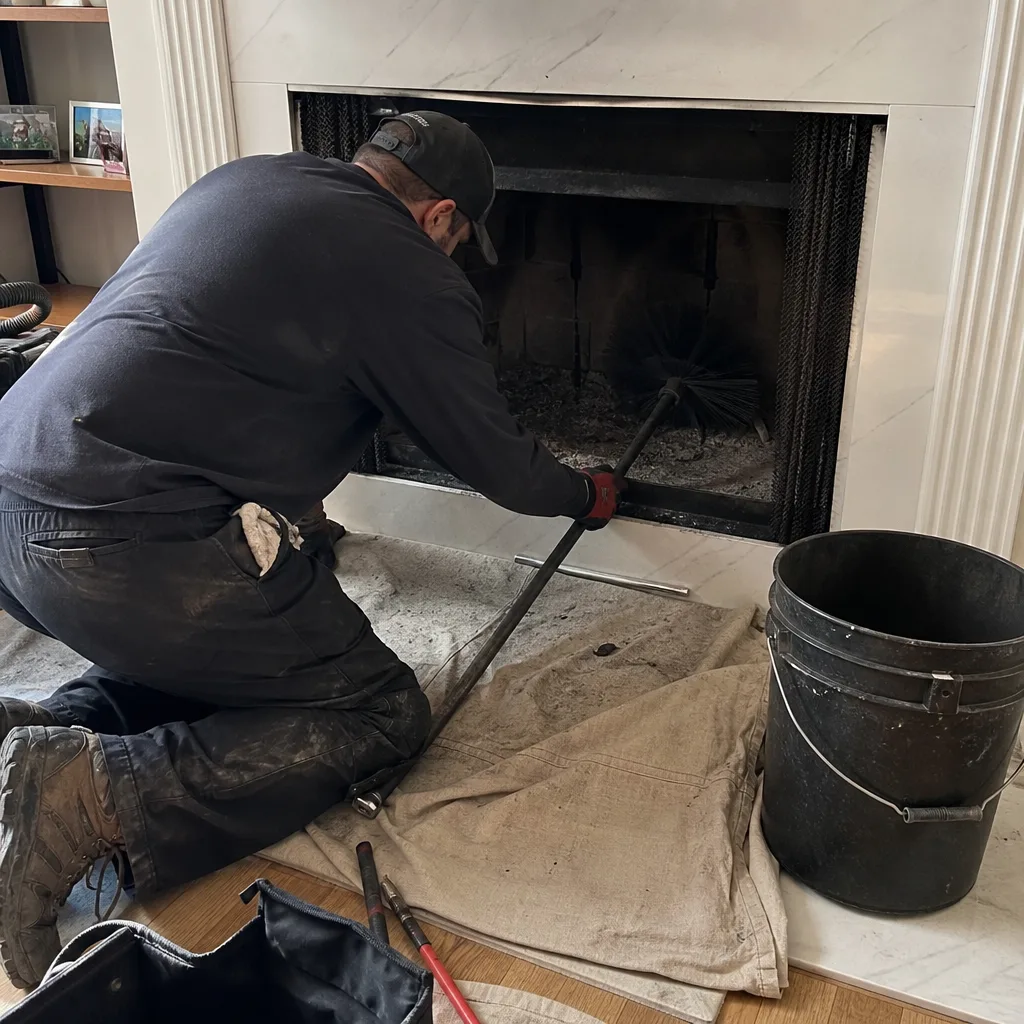
What you can do yourself: look at the liner connection at the appliance, note any rust or obvious separation, and check that your carbon monoxide detector is current. That’s it. A flue liner replacement means working from the roof or running a liner down a two-to-three-story chase through an old brick flue that may have offsets, old mortar ledges, or a neighbor’s abandoned flue running beside yours. Get the angle wrong and you kink the liner. Get the connection at the appliance wrong and you’re putting exhaust back into the basement. We’ve seen Astoria homeowners tear out a perfectly good liner because they misdiagnosed a draft issue, and we’ve seen DIY liner jobs that needed a full redo within a season. If you’re not comfortable on a roof with a 25-foot liner over your shoulder, call us at (516) 301-1549 and we’ll bring the camera down first. That’s the honest split.
And if you want to stand on the roof and watch while we run the liner, that’s fine too. Corrine Halstead has spent almost two decades doing this work across Queens, much of it in the brick rowhouses along Steinway Street and the blocks around it. She’ll tell you what the camera shows and write the price before anyone touches a tool.
FAQs
An aluminum liner in a gas water heater flue typically lasts 12 to 18 years in Astoria’s climate; a 316L stainless liner in a gas furnace or boiler flue typically lasts 20 to 30 years. The bigger variable is condensate: Queens’ humidity and tight basements with limited makeup air push more moisture through the liner, which shortens the window. If you’re near the water, expect the lower end of that range. Call us and we’ll tell you what your liner has left in it.
No, not in any way we’d stand behind. Small holes and seam separations can sometimes be patched with a stainless sleeve, but a liner with corrosion through the wall or multiple failed seams needs replacement, because the next failure point is already forming. We’ll show you the footage and tell you plainly if a repair can buy you another season. If it can’t, we’ll say so.
Most single-flue replacements in Astoria take four to six hours from setup to smoke test. That includes pulling the old liner, dropping and cutting the new one, making the connections, and running the camera. Taller rowhouse flues with offsets or complicated caps can stretch to a full day. You’ll have a written time estimate before we start, and we don’t pack up until the smoke test clears.
We carry a standard range of aluminum and 316L stainless liners, top plates, and caps on our trucks, which covers most Astoria installs same-visit. If your flue needs a non-standard diameter or a rigid insulated section, we’ll source it from our DuraFlex, HeatShield, Gelco, or Famco supply line and return to install within a few days. Either way, the price is written before any work starts.
If your Famco liner is failing and you want a straight answer plus a written price, call us at (516) 301-1549. We’ll schedule the camera inspection, walk you through what we find, and leave you with the photos and the quote whether you book the replacement or not.
Written by Corrine Halstead, Owner, Level Two Chimney Astoria at Level Two Chimney Astoria, serving Astoria and nearby areas.