
Level 1 sweep and inspection to the NFPA 211 annual standard - flue, crown, cap, and flashing checked and photographed
Chimney sweep logs do not sweep chimneys. They loosen some creosote - which then falls where a brush and vacuum still have to collect it.
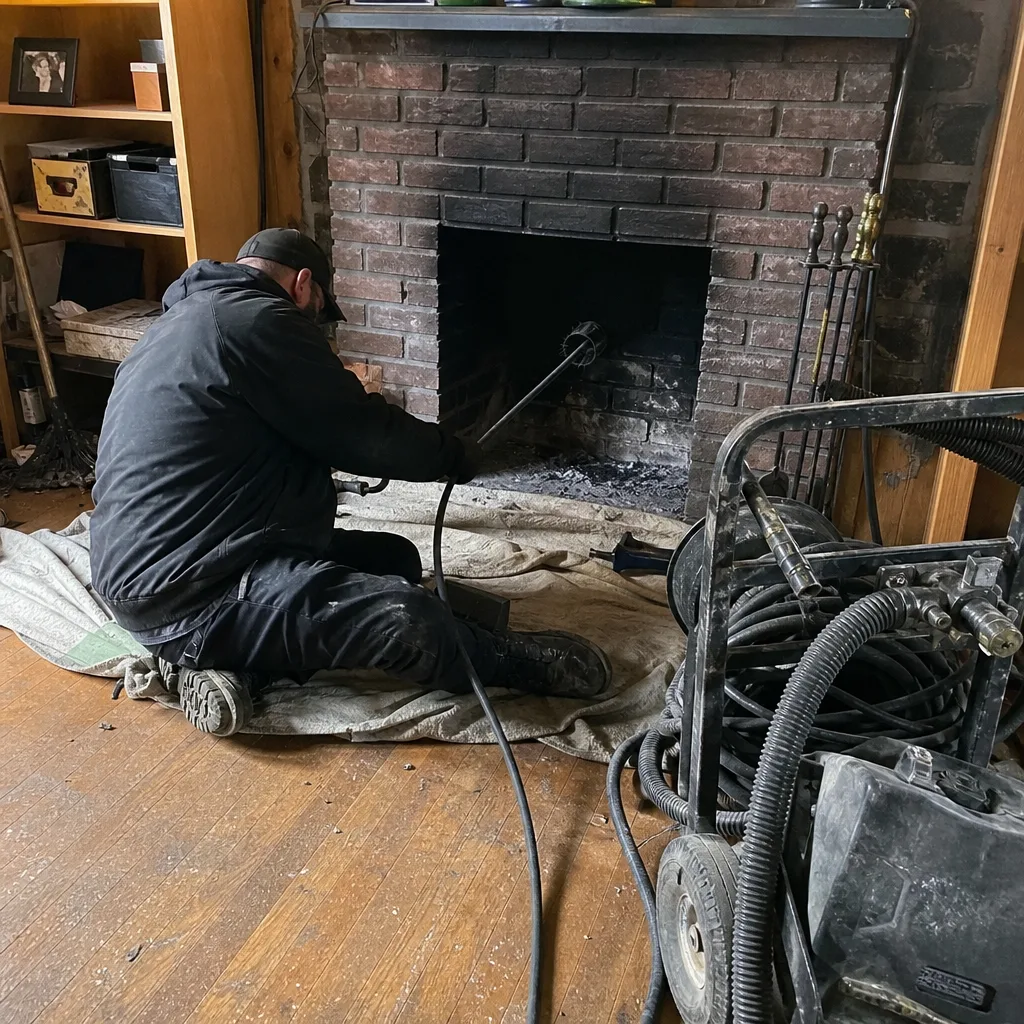 Before
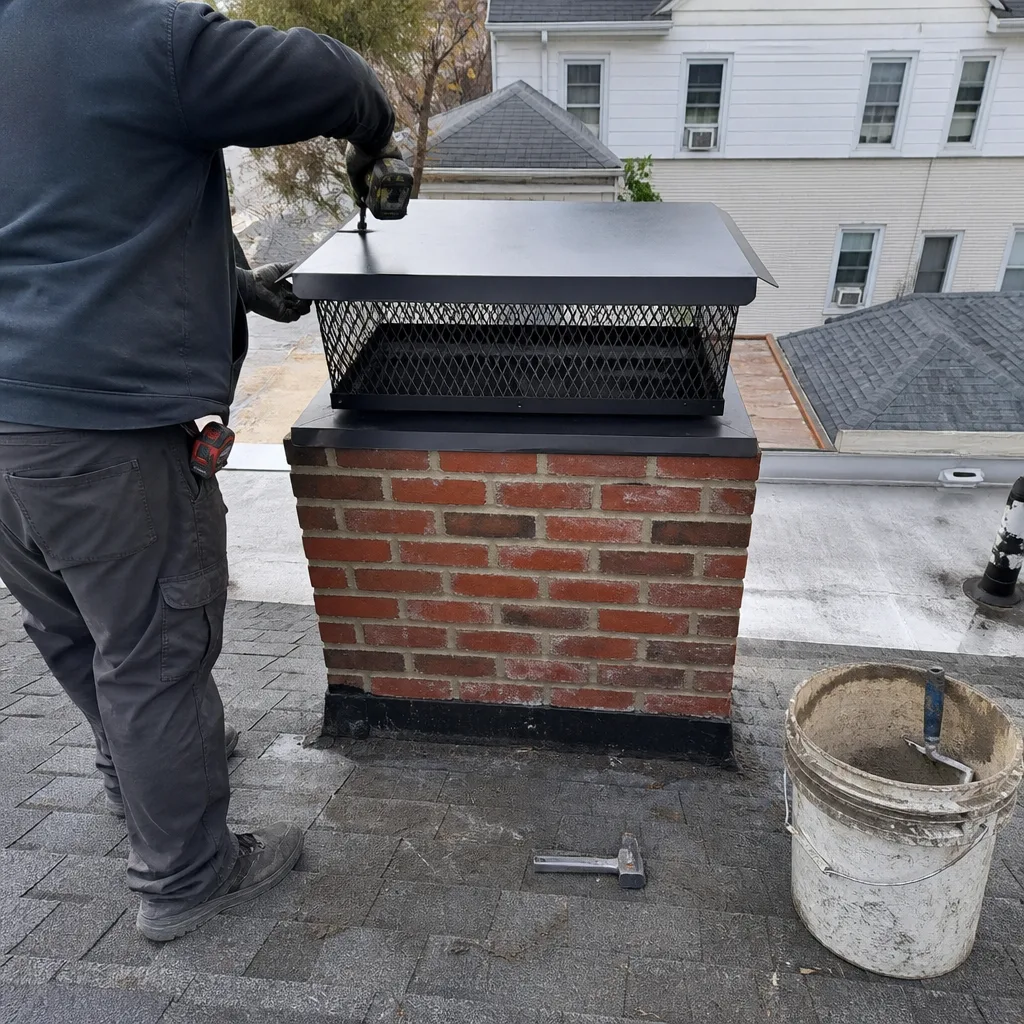 After
After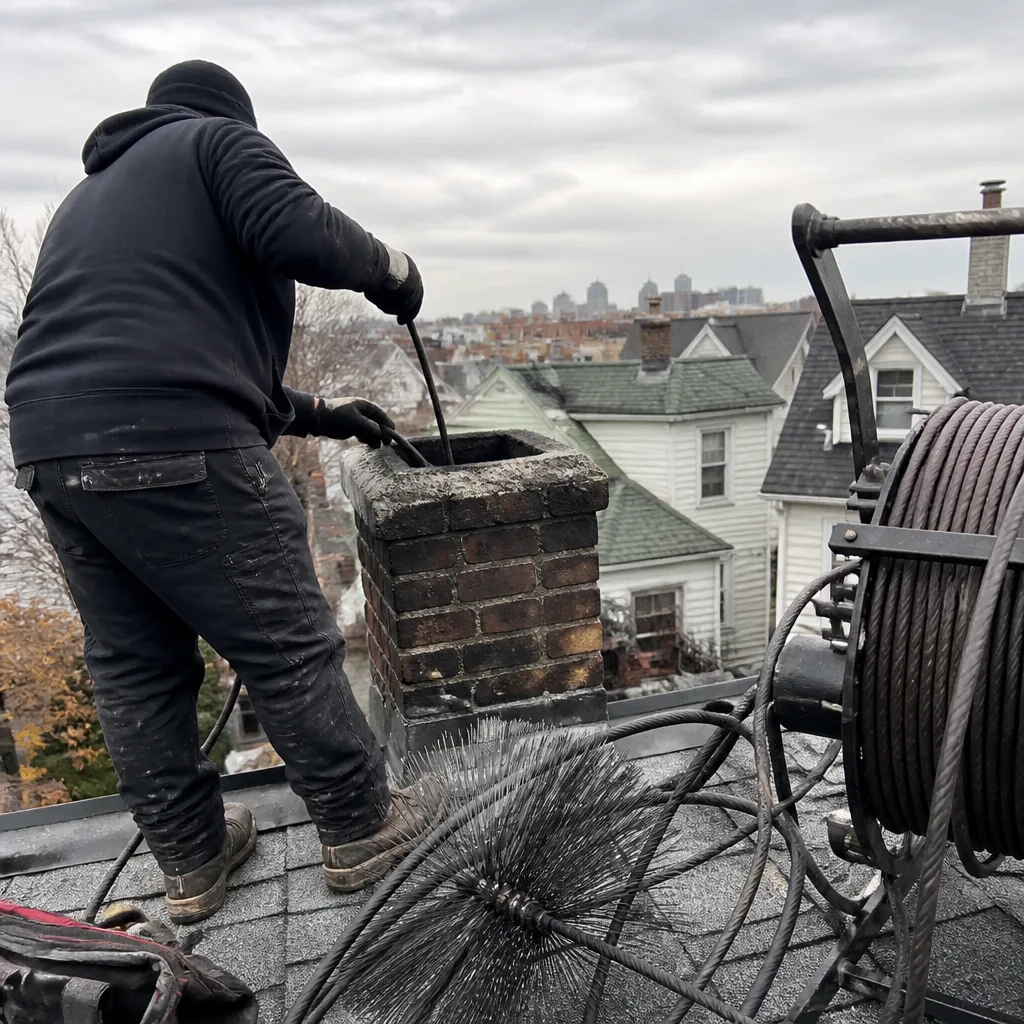 Before
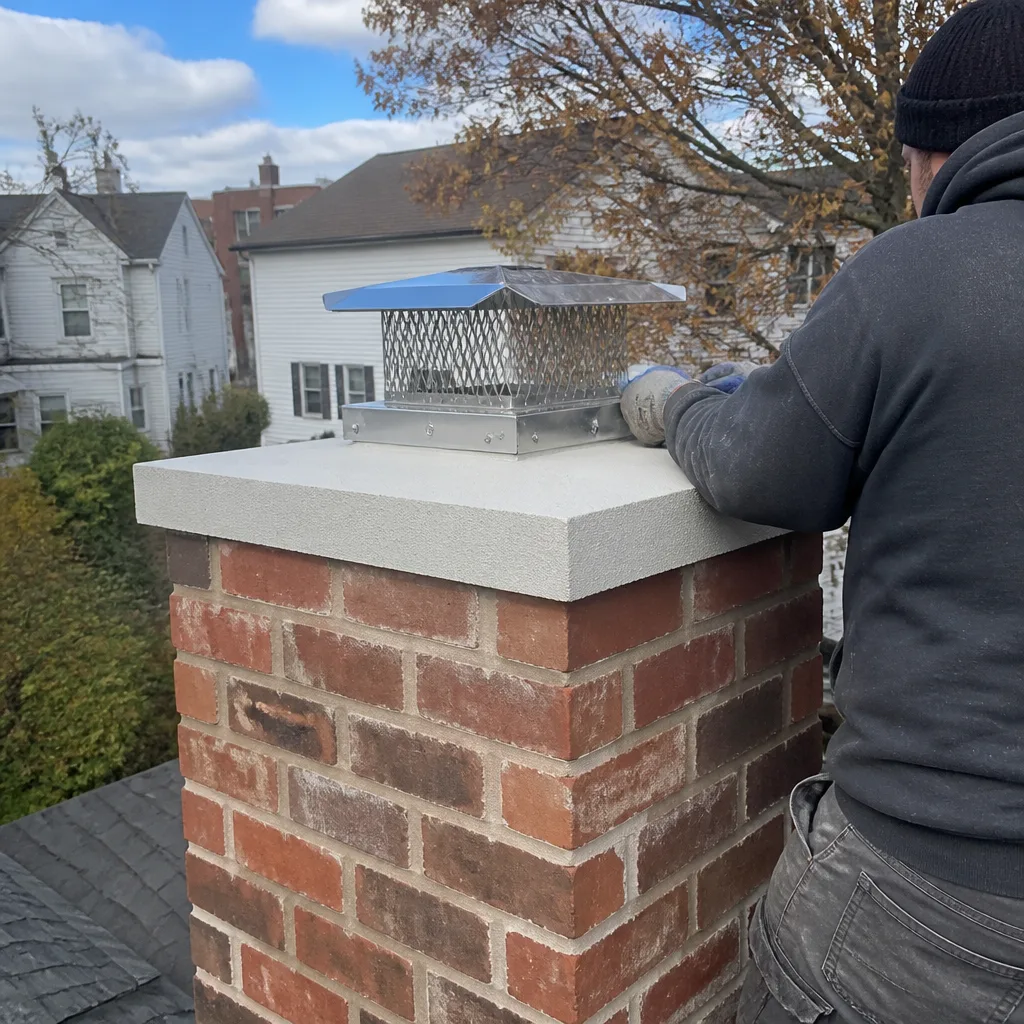 After
After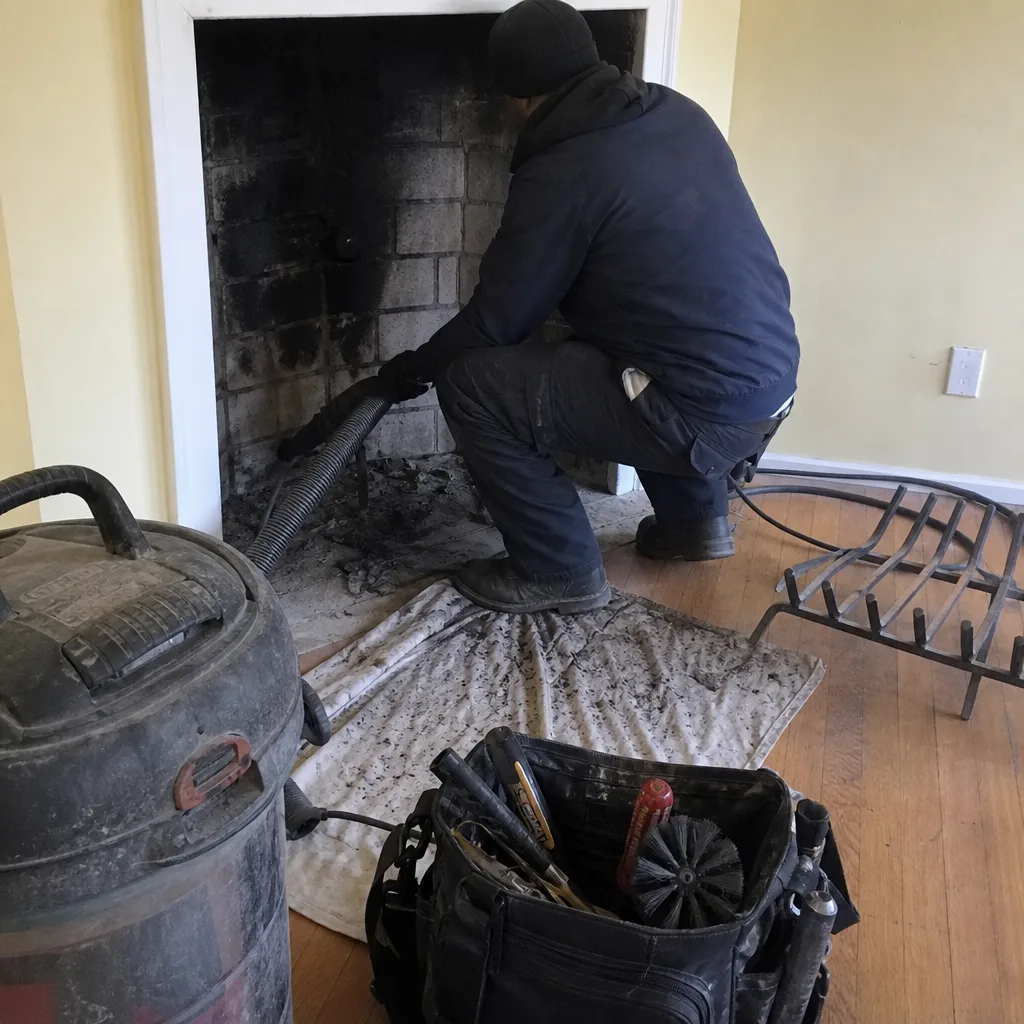 Before
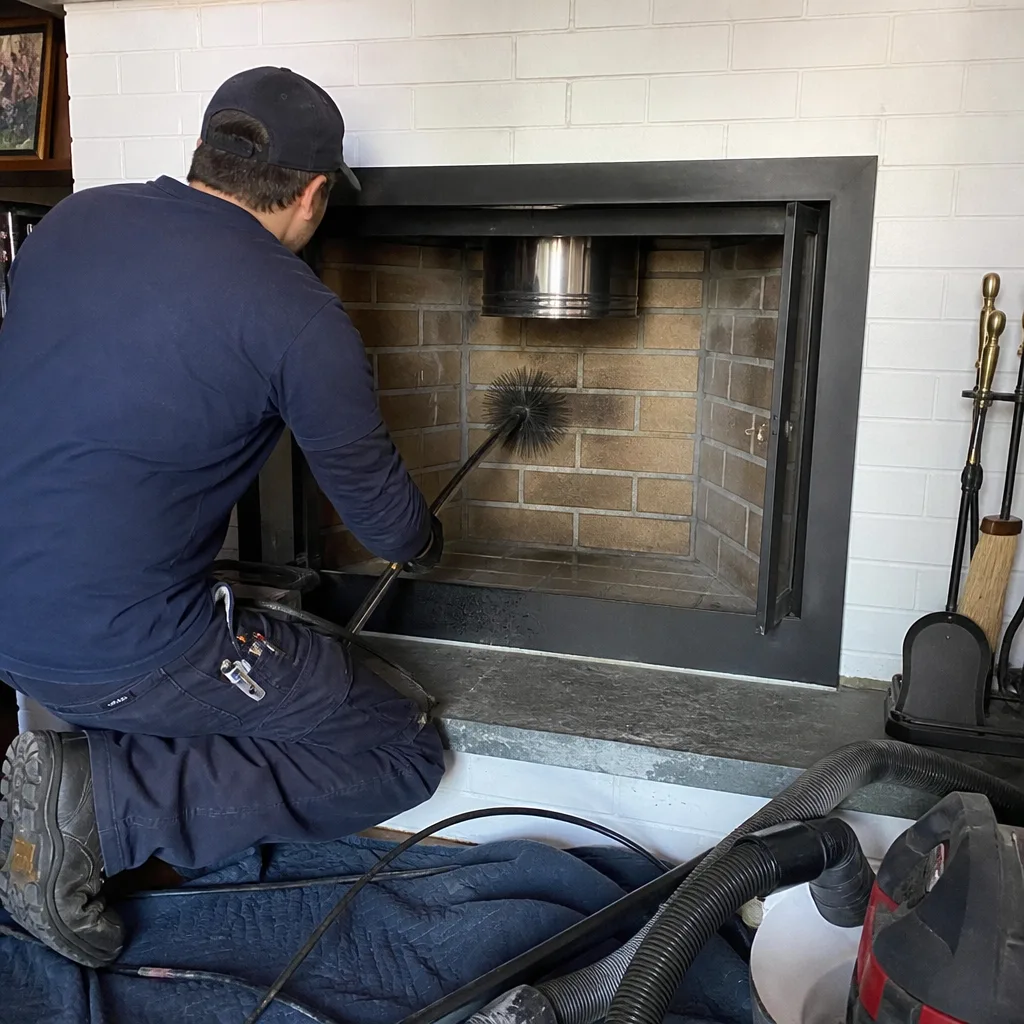 After
AfterHeatShield Chimney Cleaning & Sweep in Astoria: What to Know First
HeatShield chimney cleaning and sweep in Astoria typically runs $189-$349 depending on flue condition and creosote class, with most jobs completed in a single visit. We’re an independent HeatShield service provider in Astoria, which means we clean and inspect the product as it actually exists in your flue, not as a brochure describes it. If you own a home with a HeatShield liner or repair system and you’re not sure when it was last checked, this page tells you what we find, what we charge, and what you’ll walk away with. Call (516) 301-1549 and a live person answers, day or night.
Key Takeaways:
- We clean and camera-scan HeatShield liners and repair systems as part of every sweep, per NFPA 211 Level 2.
- Written price, written scope, and written warranty before any work starts. Always.
- A documented photo record comes with every visit under Clause 4 of the Haven Standard. You keep the photos whether you book a repair or not.
- HeatShield products have specific failure modes we check for that generic sweeps miss.
How HeatShield Products Fail - and How We Fix Them
HeatShield is a legitimate product line, but it has known weak points. Here’s what we actually see in Astoria flues, based on thousands of camera scans since 2009:
- HeatShield Cerfractory Flue Sealant (the original pour-down system): The biggest issue we see is delamination at the smoke chamber transition. The original 13-to-1 vermiculite-to-cement mix doesn’t bond well to older brick with decades of soot saturation. The material lifts off in sheets. On a sweep, the brush catches the edge and peels it back. Our fix: we camera scan first, identify the delaminated sections, remove loose material by hand (never brushing blind through a compromised liner), and document the condition before recommending resealing or replacement. We don’t run a brush through until we know what’s holding.
- HeatShield Joint Repair System (flue joint sealing): The flexible foam applicator does a good job at the joint, but the shelf life of the two-part resin is shorter than most owners realize. If the material was on a truck or in a warehouse more than 18 months before application, we see cracking at the joint within two seasons. This is checkable: cracked joint sealant shows up on camera as a white crust line at the mortar joint. A standard sweep won’t catch it because the brush rides over the crack. We catch it because we scan first.
- HeatShield tiles used as parging inside existing clay liners: These are susceptible to spalling in wet Astoria winters. When moisture gets between the clay and the HeatShield parge, freeze-thaw cycles cause flaking. The symptom an owner notices is small gray chips in the firebox after a season of use. That’s not “normal wear.” That’s the parge layer failing. We identify the source of moisture (usually a crown issue or missing cricket on the roof side) before we clean, because cleaning a wet liner just accelerates the spalling.
- HeatShield resurfacing over previously unlined flues in pre-1950 Astoria brick: Many of the older rowhouses along Steinway Street and the surrounding blocks have flues built with lime mortar that’s now dust. When HeatShield is applied over that substrate, the surface is only as stable as what’s underneath. We see substrate collapse behind the HeatShield layer, especially after a chimney fire has turned the old mortar to powder. Camera scans show the HeatShield layer intact but bowed inward. A brush sweep would punch through it. We assess with a camera before any mechanical cleaning.
- Aftermarket “HeatShield-equivalent” sealant applications: A recurring issue in Queens is homeowners who were told they got HeatShield but actually got a generic refractory sealant. We can tell the difference on camera. The generic material cures with a different surface texture and doesn’t have the same fire-resistance rating. If we can’t verify the product, we say so in writing. We don’t guess. The camera doesn’t guess. Neither do we.
Our HeatShield Chimney Cleaning & Sweep Process
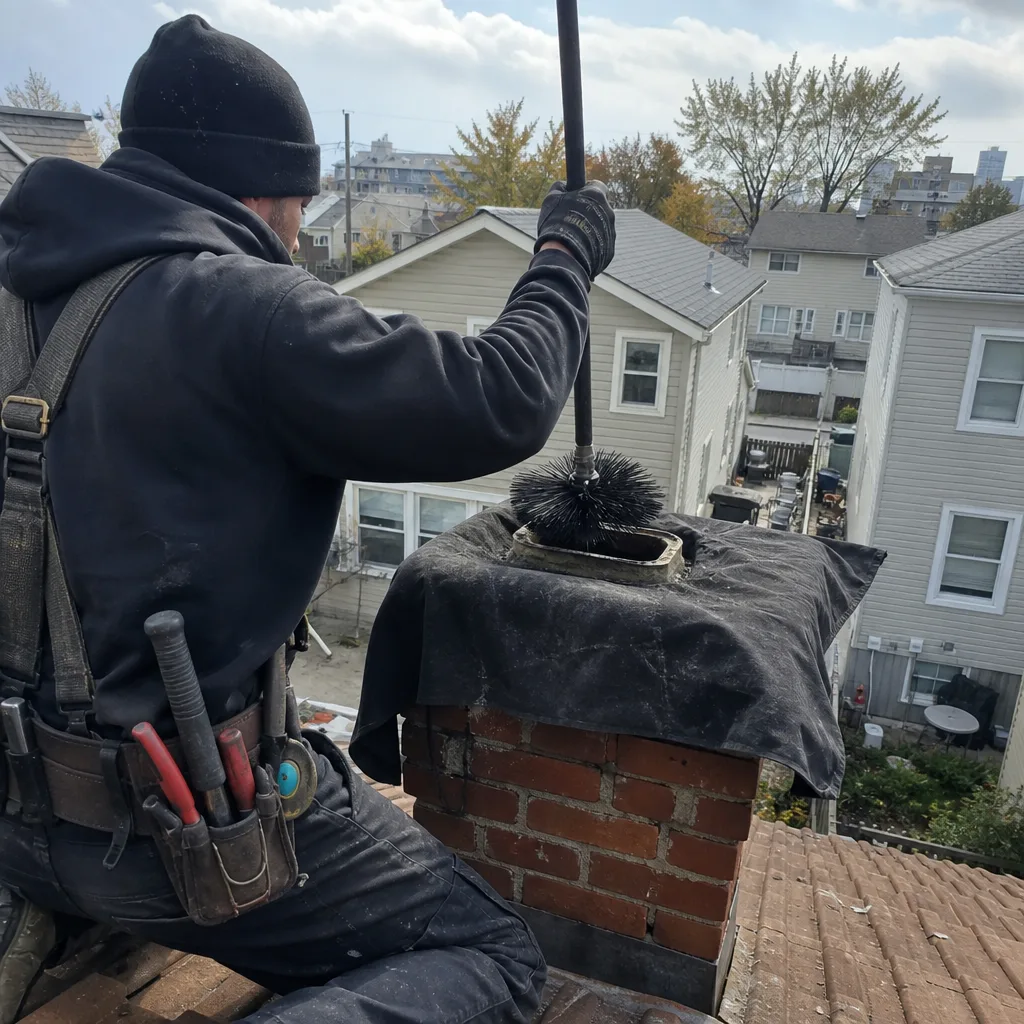
Every HeatShield job in Astoria follows the same sequence. No shortcuts, no upselling. Here’s how it works:
- 1
You call (516) 301-1549. A live person answers, takes the details, and schedules the visit. You get a text when the tech is on the way, with the tech’s name and license number.
- 2
Camera scan first. Before any brush touches the flue, we run a camera down the full length. We’re looking at the HeatShield surface condition, joint integrity, creosote class, and any areas where the material has lifted or cracked. You see the footage. We don’t hide the screen.
- 3
Written assessment before cleaning. If the HeatShield surface is sound, we proceed with the sweep. If there’s a compromised section, we stop and show you exactly what we saw, on the screen, with measurements. You get a written price for the repair before we touch anything beyond the cleaning.
- 4
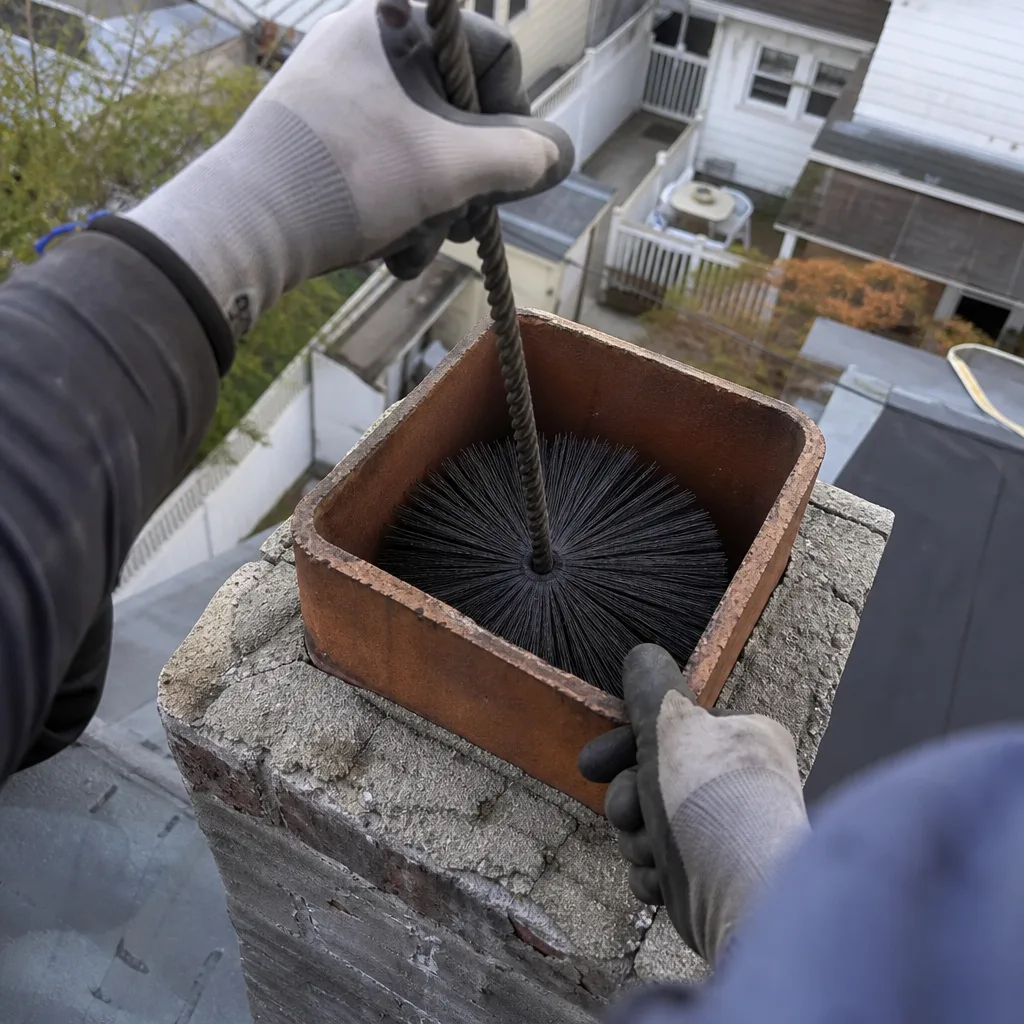
The sweep. We use brushes appropriate for the liner material. On HeatShield surfaces, that means poly brushes and controlled revolutions, not steel. We clean from top down, with a HEPA vacuum at the firebox. Creosote class is logged. Soot condition is logged.
- 5
Post-sweep camera verification. We run the camera again. You see what we see: the before and after. If there’s a section that didn’t clean fully because the HeatShield surface is degraded, we document that in writing and give you a repair quote, not a vague warning.
- 6
Written record and warranty. You leave with a photo report, a written scope of what was done, and a written warranty on the work. If it’s not done right, the 365-Day Done Right Promise says we make it right. No fine print, no phone tag.
 Before
 After
AfterWhat HeatShield Chimney Cleaning & Sweep Costs in Astoria
| Service | Price Range | What’s Included |
|---|---|---|
| Standard sweep with camera inspection (NFPA 211 Level 2) | $189-$249 | Full flue brush, HEPA vacuum, before/after camera footage, written report, photo record |
| Sweep with Class II-III creosote removal | $249-$349 | Heavier creosote, additional brushing passes, chemical treatment if needed, same documentation |
| HeatShield-specific assessment (add-on) | $49-$89 | Detailed liner surface evaluation, delamination check, moisture inspection, written findings |
| Targeted HeatShield joints or delamination repair | $350-$850 | Quoted in writing after camera scan; includes minimum two-year written warranty |
What moves the price: creosote class, flue height, and whether the HeatShield surface is stable enough to brush without repair work first. If you have a competitor’s written estimate, bring it. We’ll give a free second opinion on it, in writing, no pressure. Call (516) 301-1549 for an exact quote. It’s free, and it’s in writing before anything starts.
Why Astoria Homeowners Call Level Two Chimney Astoria for HeatShield Work
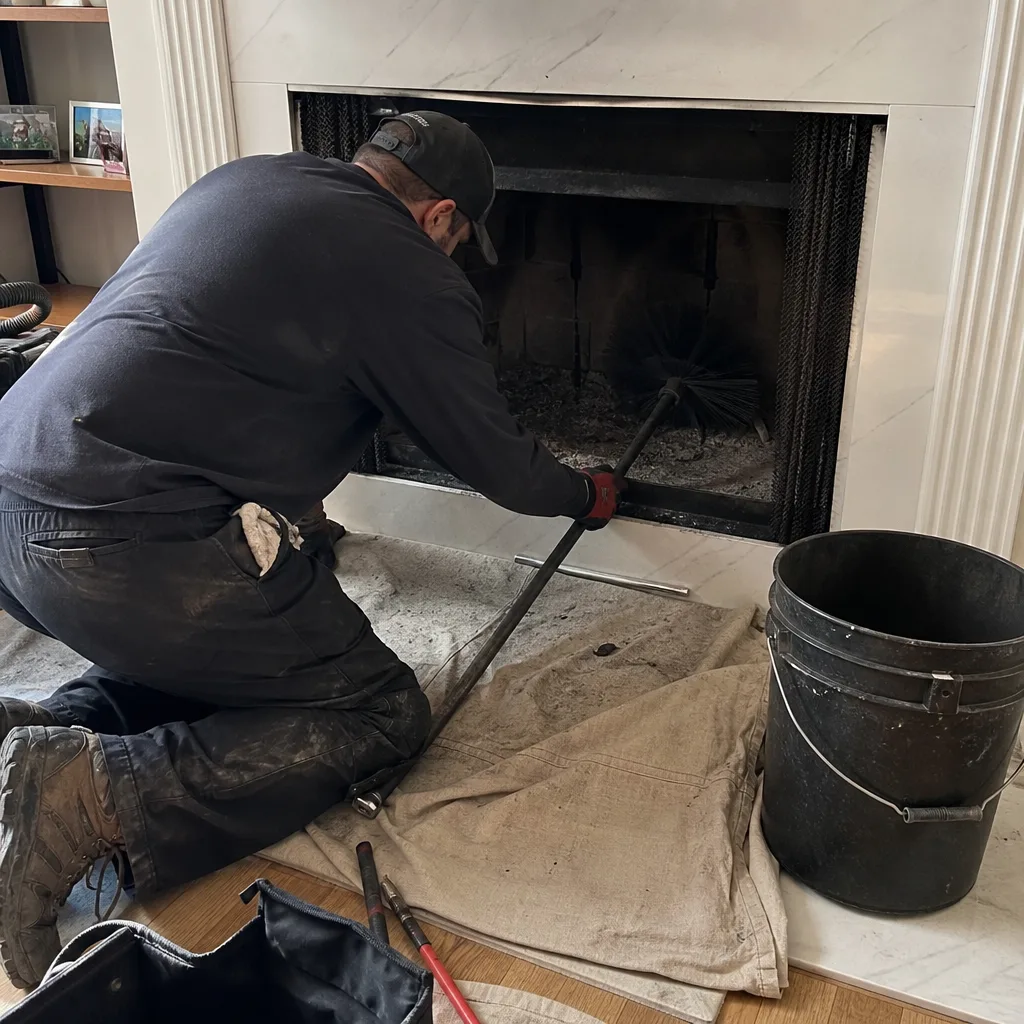
Most companies in Astoria don’t know the difference between a HeatShield Cerfractory application and a coat of refractory paint. We do, because we’ve been camera-scanning these liners since 2009 - 38,000+ chimneys inspected and cleaned, every single one with a written price before work started and a documented record when it was done. Clause 4 of the Haven Standard requires a photo record on every visit. We’ve been doing that since before anyone asked for it.
Every tech is background-checked, uniformed, and named on the appointment confirmation. We source materials from DuraFlex, HeatShield, Gelco, Olympia Chimney, Famco, and Copperfield through Haven’s buying network, which keeps pricing honest. If a HeatShield repair is beyond saving, we won’t pretend otherwise - we’ll show you the camera footage and give you the straight number for a replacement, often using a DuraFlex liner that’s in the same price band. Corrine Halstead runs the work here, and she’s spent the better part of two decades cleaning fireplaces in Astoria’s older brick rowhouses. She writes down the price before she starts, every time.
The 365-Day Done Right Promise applies to every job. If the sweep missed something or the repair doesn’t hold, we make it right. In writing. On the record.
FAQs
No, a properly performed cleaning does not void a HeatShield warranty. What voids it is aggressive mechanical cleaning - steel brushes or excessive rotational speed - on a compromised surface. That’s why we camera-scan before every sweep. If the liner is delaminating or spalling, we document it and adjust our method before running a brush. We’ve seen warranties denied because a prior sweep company scraped the surface. We keep you clear of that.
The first sign is usually chips or gray flakes in the firebox, especially after a wet Astoria winter. That’s spalling or delamination, not normal ash. A camera scan confirms it. If you’re not sure, call (516) 301-1549 - we’ll schedule an inspection and you’ll see exactly what the camera shows. If the liner is sound, we’ll tell you that too, in writing. We don’t manufacture problems to sell repairs.
Usually yes, if the surface is stable. The camera scan takes about 20 minutes. If the HeatShield is intact, we proceed with the sweep same visit. If there’s a problem section, we show you the footage, quote the repair in writing, and let you decide. We don’t clean through a compromised liner and hand you a problem we created. Much of our Astoria work is inspect-and-clean in one appointment.
With proper maintenance, a well-applied HeatShield system can last 15-20 years. But Astoria’s freeze-thaw cycles and the older brick substrates common around Steinway Street and nearby blocks mean that moisture intrusion is the real threat. If the crown is cracked or there’s no cricket behind the chimney, water works between the HeatShield layer and the brick. That’s what shortens the life. We check the crown and roof-side details on every visit, not just the flue interior. Call (516) 301-1549 for an assessment - the estimate is free and you’ll get a written record either way.
HeatShield is a resurfacing system - a cementitious or refractory material applied inside the existing flue. You keep the original structure. DuraFlex is a full stainless steel liner system that replaces the flue pathway entirely. We work with both, plus Gelco and other materials, because sometimes one is the right call and sometimes it isn’t. The decision comes down to what the camera shows: substrate condition, moisture history, and how much of the original flue is actually sound. If a HeatShield repair makes sense, we do it. If it doesn’t, we tell you and show you why. Call (516) 301-1549 to get a straight answer and a written price.
Get Your HeatShield Chimney Cleaned Right - Call Now
If you’re in Astoria and you have a HeatShield liner or repair system that hasn’t been checked in the last year, now is the time to schedule. Creosote doesn’t text you a warning. Call (516) 301-1549 and a live person answers, 24/7. You’ll get a written price before we touch anything, a camera scan before the sweep, and a photo record when we’re done. That’s how we’ve worked since 2009, and it’s not changing.
Written by Corrine Halstead, Owner, Level Two Chimney Astoria at Level Two Chimney Astoria, serving Astoria and nearby areas.