
Level 1 sweep and inspection to the NFPA 211 annual standard - flue, crown, cap, and flashing checked and photographed
Chimney sweep logs do not sweep chimneys. They loosen some creosote - which then falls where a brush and vacuum still have to collect it.
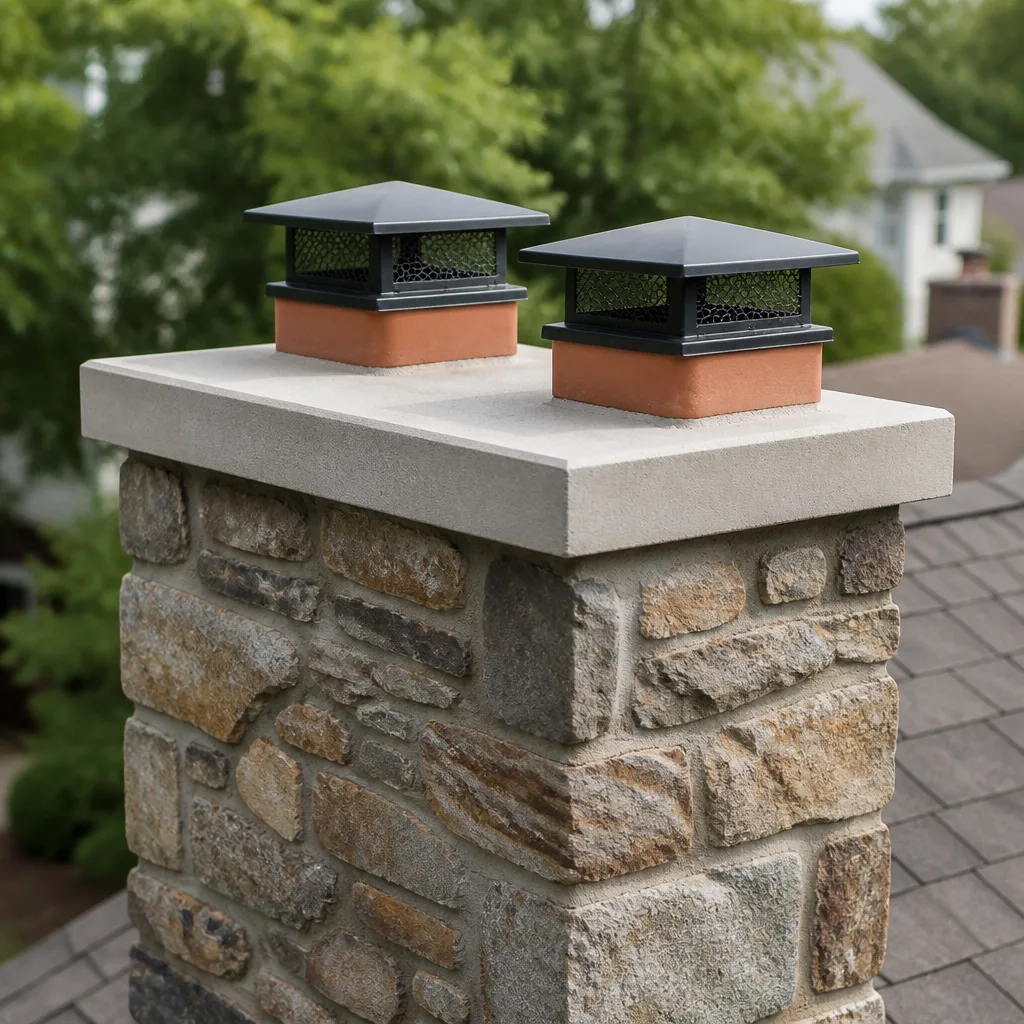
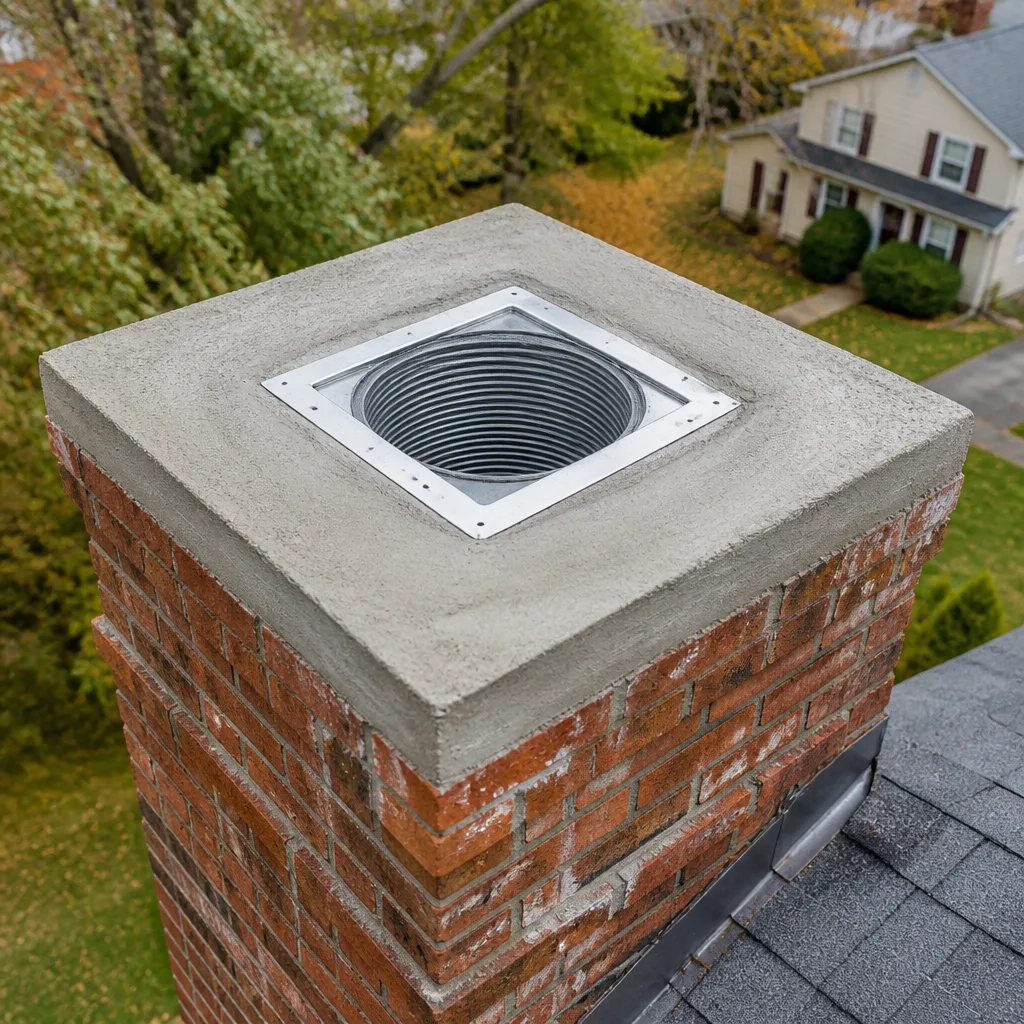
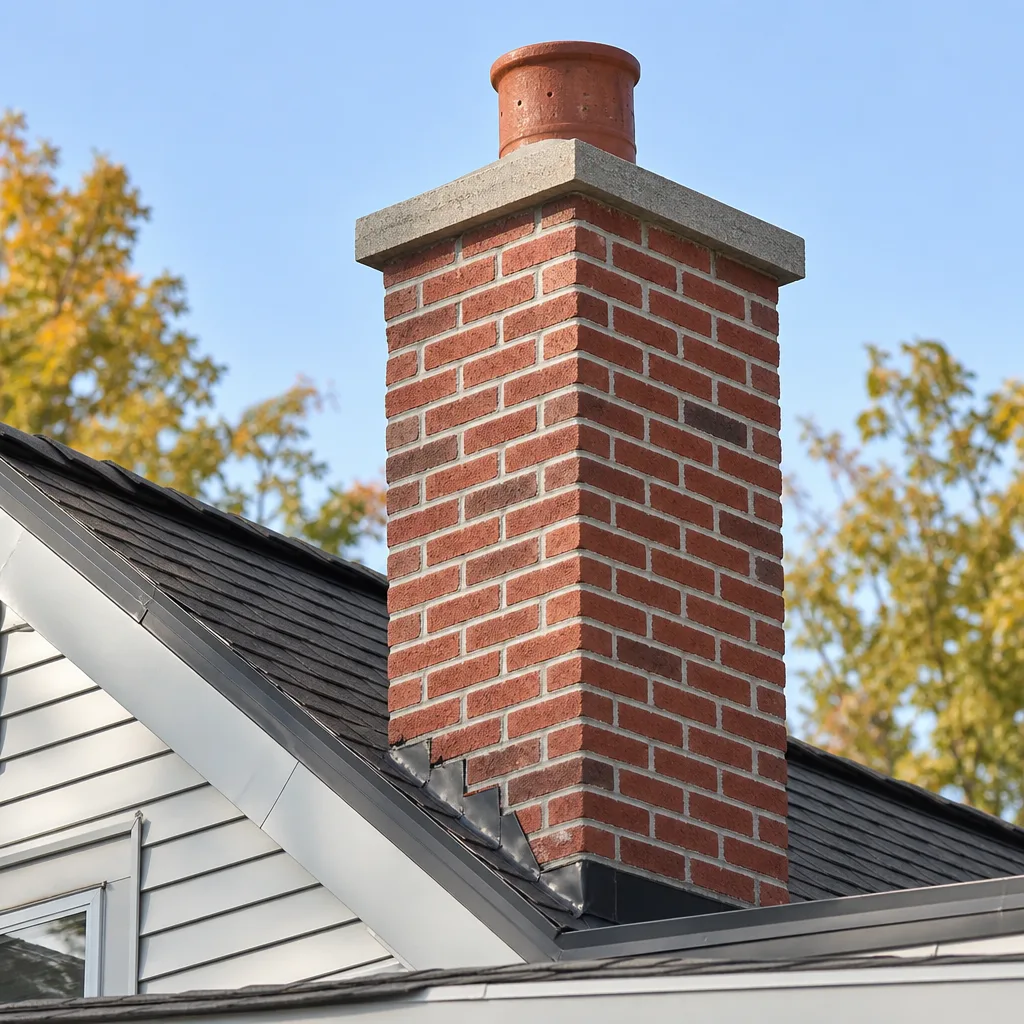
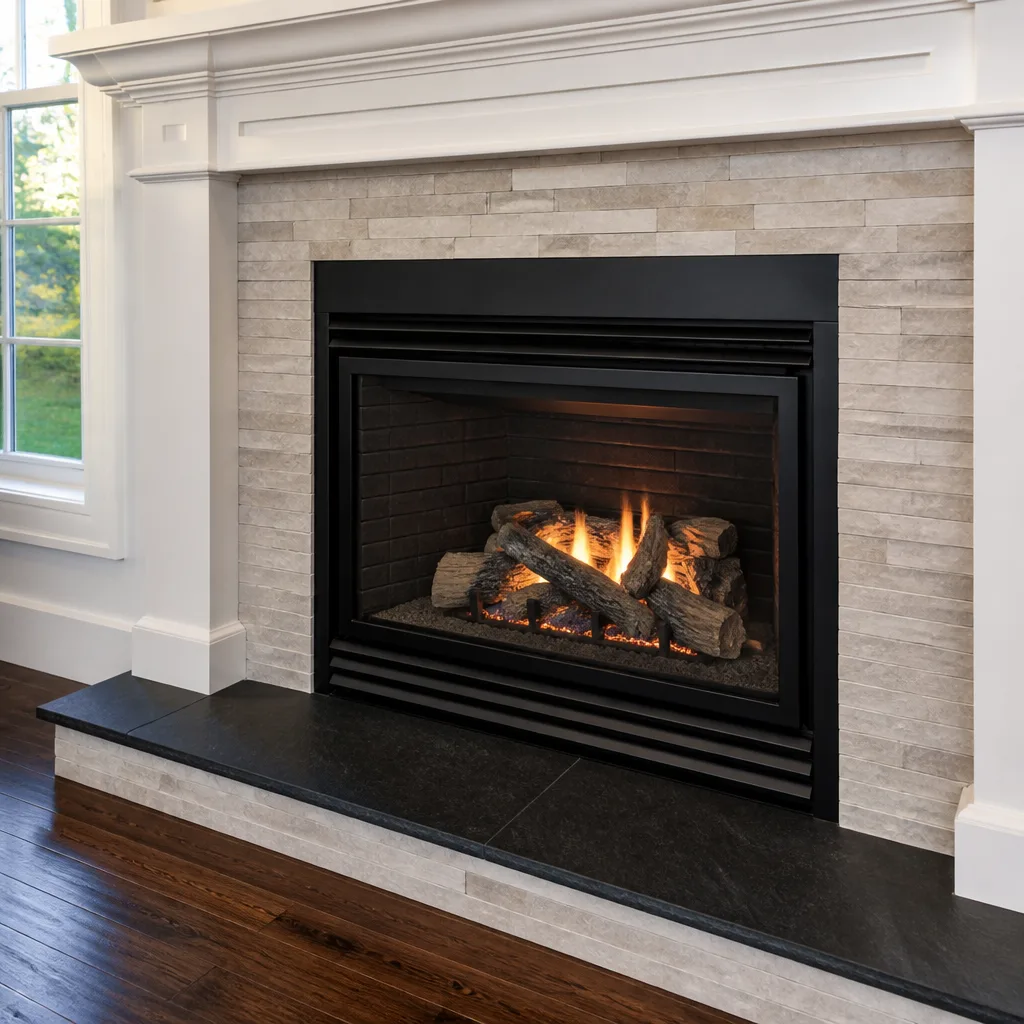
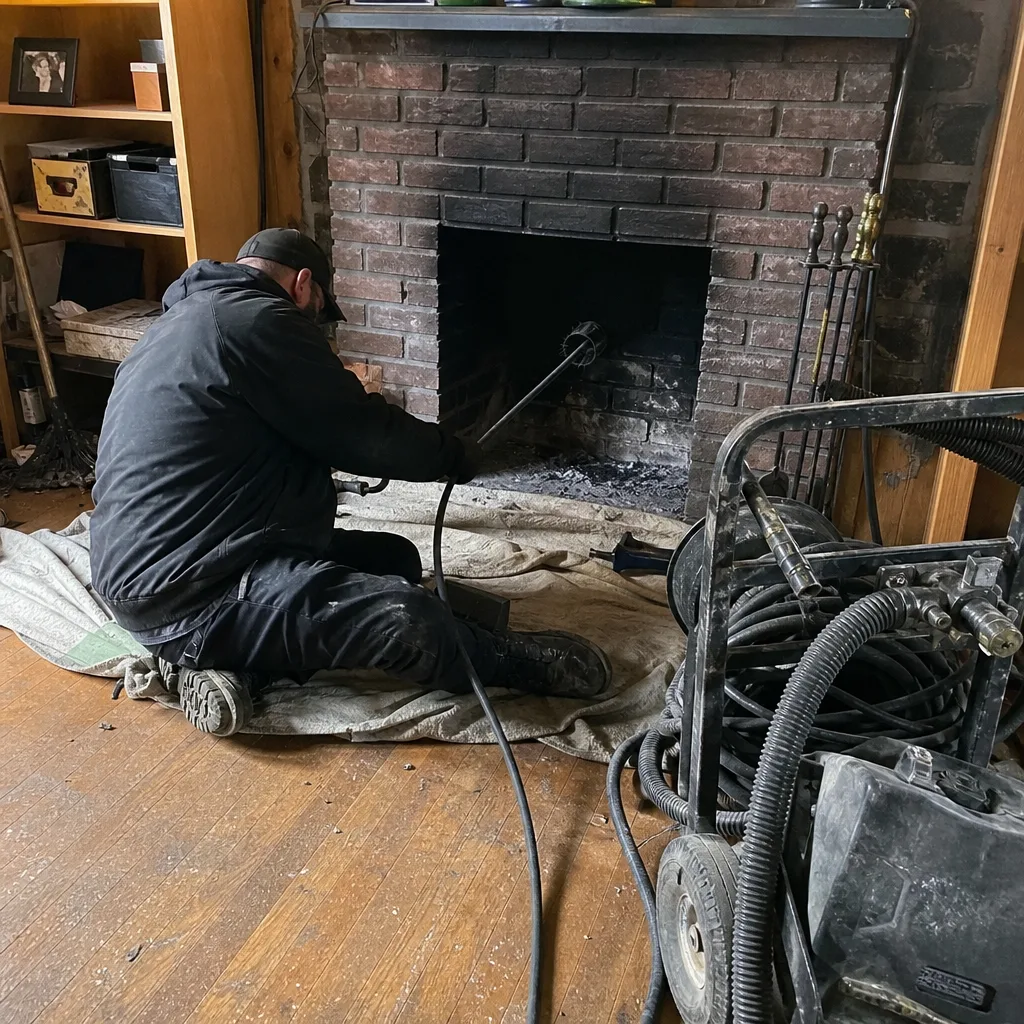 Before
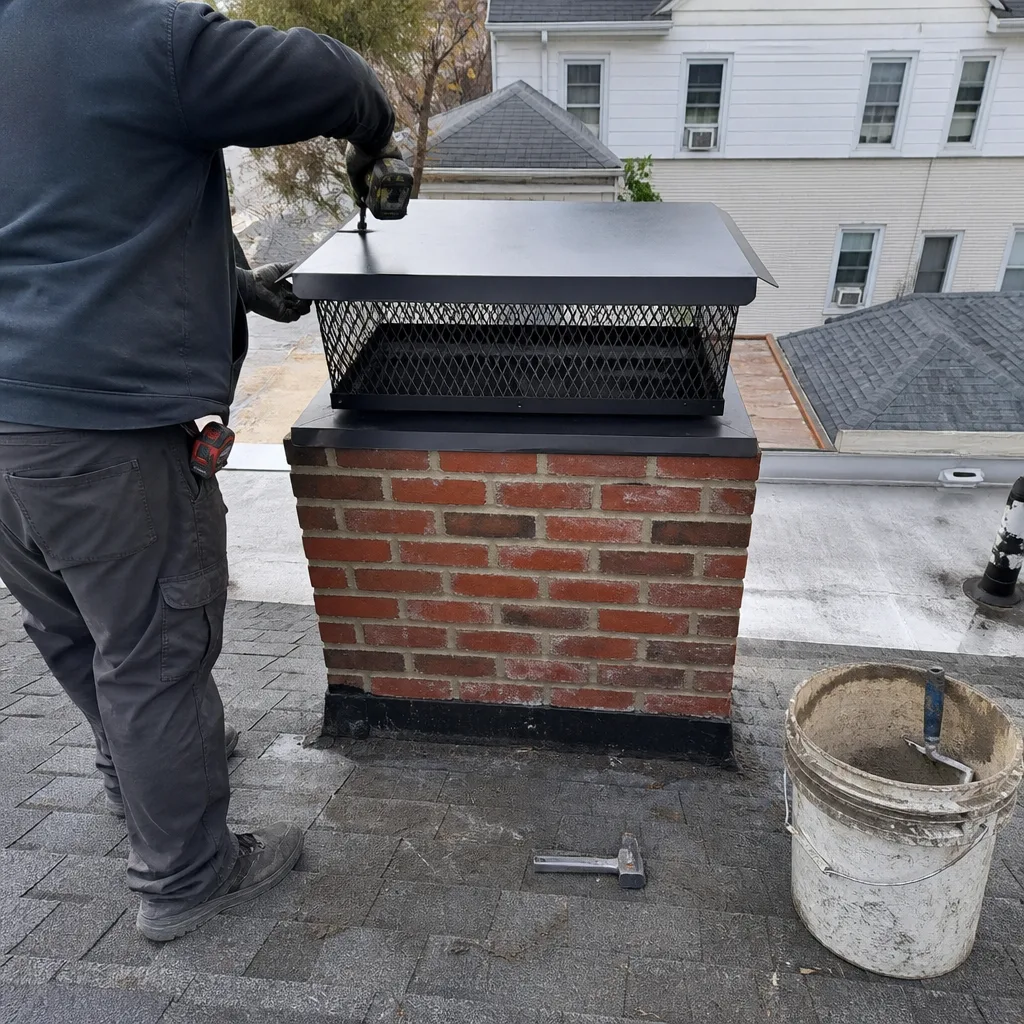 After
After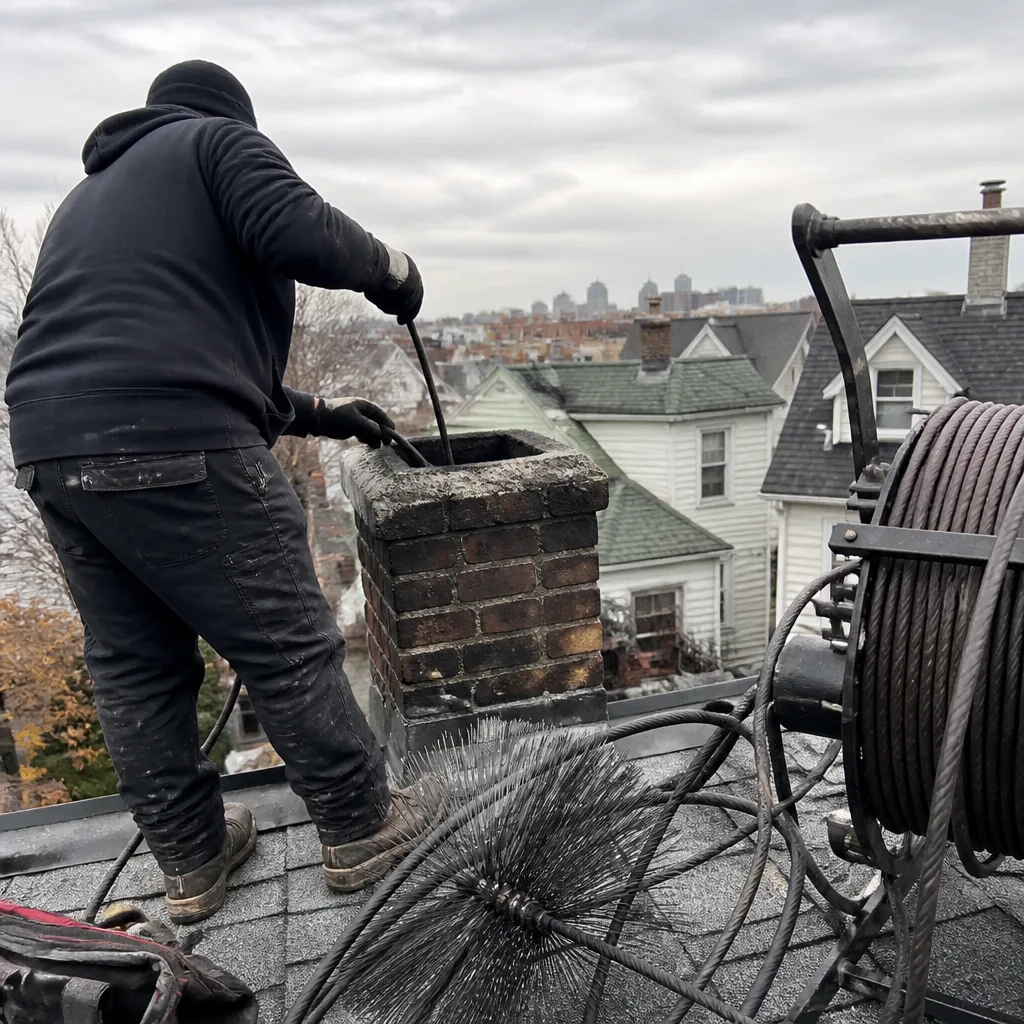 Before
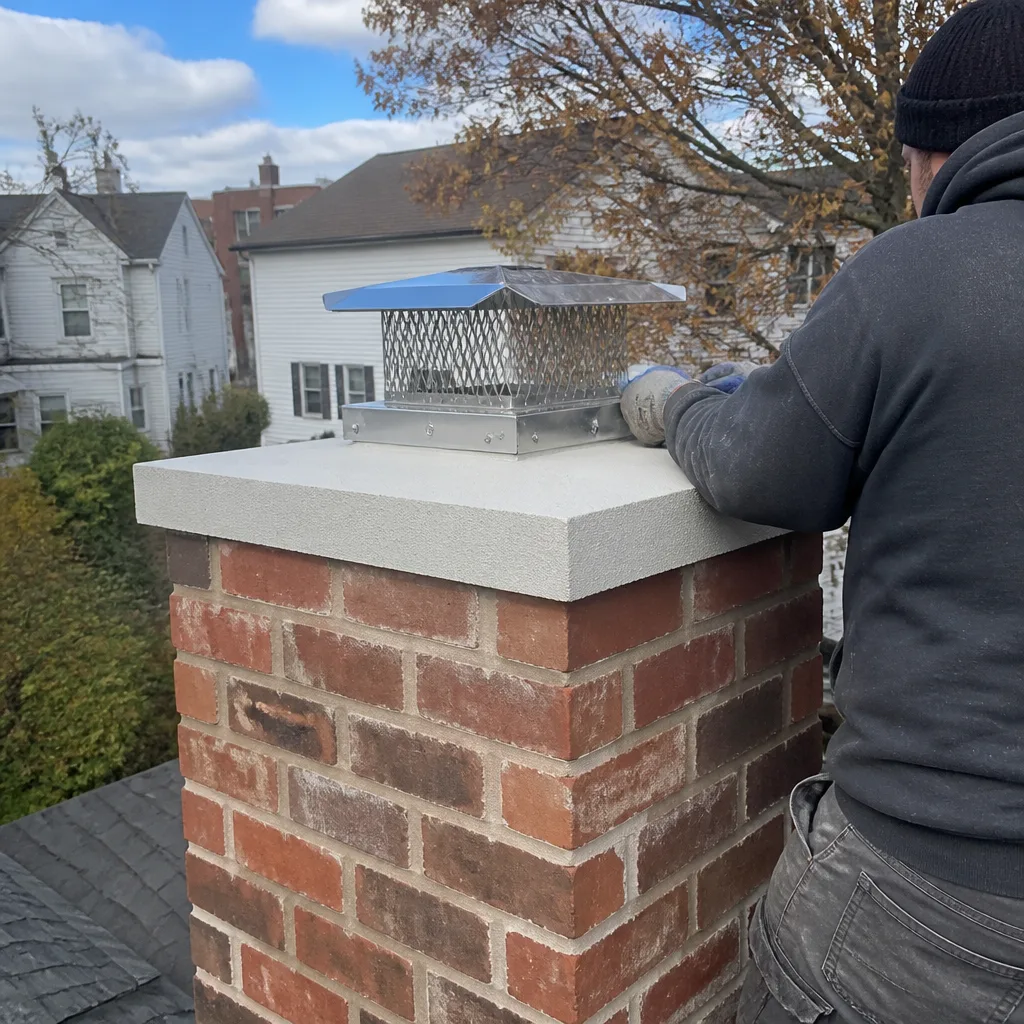 After
After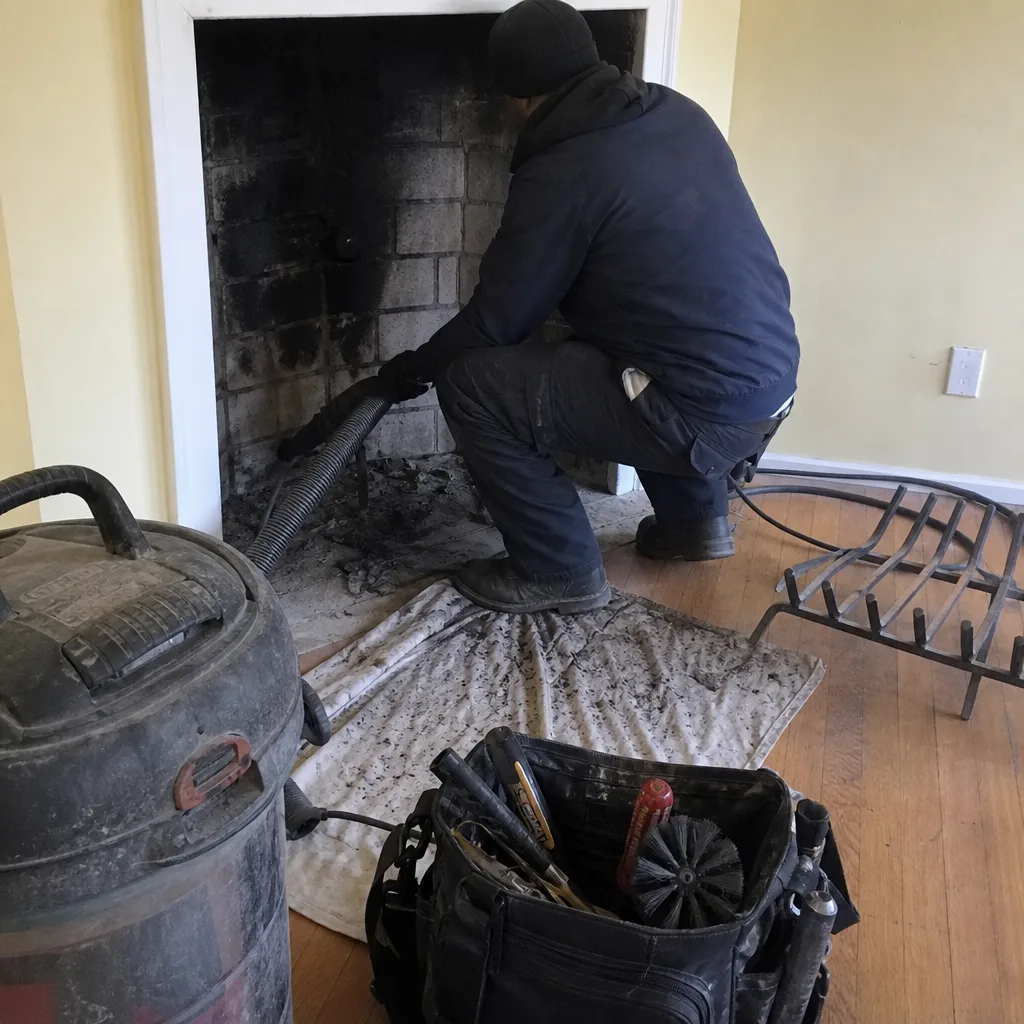 Before
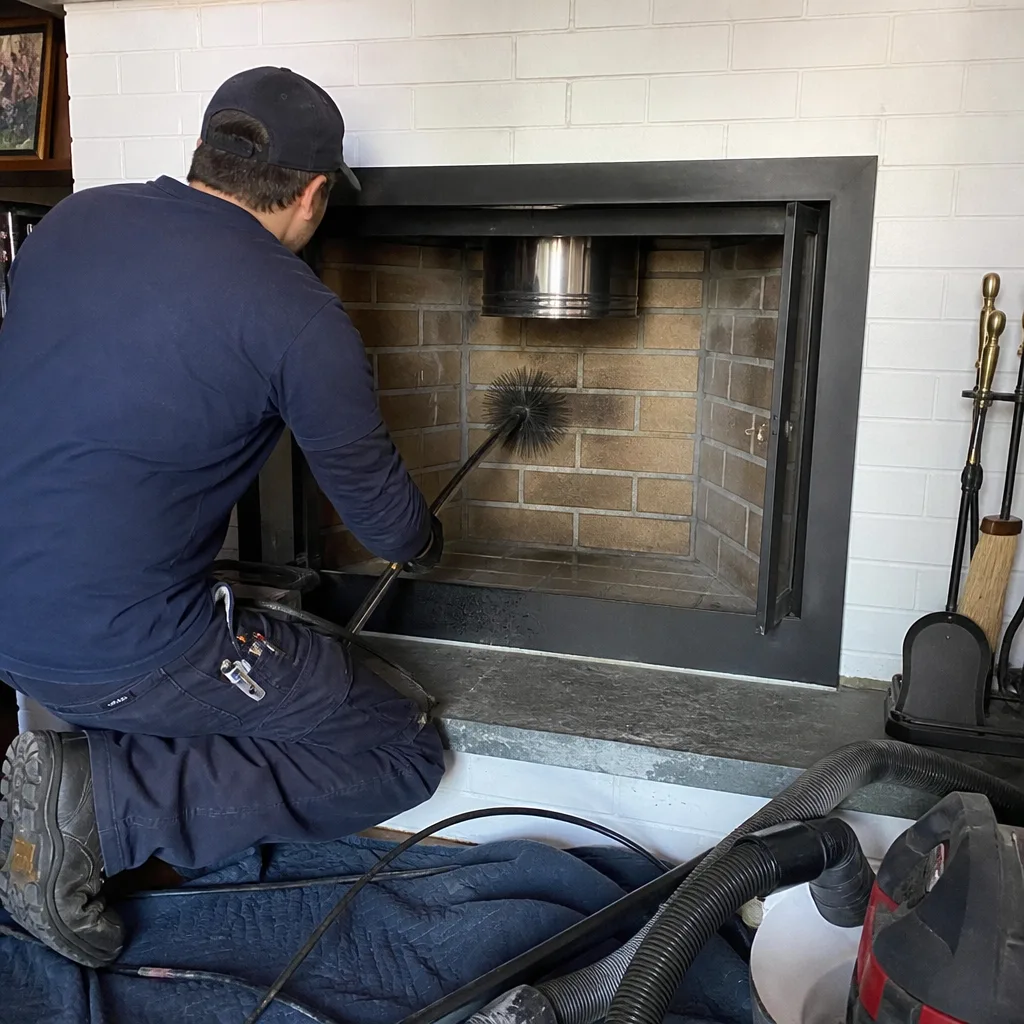 After
AfterHeatShield Flue Liner Replacement: The Astoria Owner’s Guide
HeatShield flue liner replacement in Astoria typically runs $1,800 - $3,400 installed, depending on whether you need a full reline or a targeted section repair with HeatShield’s Cerfractory sealant system. We stock HeatShield-compatible materials and can usually complete the job in one visit, often the same week you call. Most Astoria homeowners discover the problem during a Level 2 camera inspection – we run the camera down and see cracks, gaps, or spalling liner sections that are letting heat and combustion gases reach the brick.
What you’re holding is likely either a HeatShield joint repair kit that failed, or the original clay tile liner in a home where a previous owner installed HeatShield as a patch. Either way, the fix is specific: HeatShield is a resurfacing system, not a full liner replacement. When it fails, you’re usually deciding whether to re-coat the problem section or pull it all and install a new stainless liner. Corrine Halstead has seen enough failed HeatShield patches in the rowhouses off Steinway Street to tell you plainly: the camera doesn’t guess. Neither do we.
Which HeatShield Models This Applies To
HeatShield isn’t a liner brand the way DuraFlex or Gelco are. It’s a Cerfractory flue sealant system applied in two forms: Joint Repair (filling cracks and gaps between clay tiles) and CeCure Sleeve Relining (a cast-in-place resurfacing system). If your home has HeatShield, it’s almost certainly a repair layer over the original masonry or clay tile flue, not a standalone liner product.
The compatibility gotcha most owners hit: HeatShield’s warranty and material specs are tied to the original flue dimensions and condition class, not a replaceable part number. There’s no “HeatShield model #7″ to order. What matters is your flue diameter (typically 6″, 7″, or 8” in Astoria’s older housing stock), the liner material underneath, and the vertical run height. Level Two Chimney Co. is an independent service provider, not affiliated with HeatShield, but we work with their materials regularly and source through Haven’s buying network alongside DuraFlex and Gelco components. That keeps pricing predictable instead of “whatever the distributor quoted this week.”
Before we quote anything, we verify the flue diameter with a camera measurement, not a guess from the chimney cap. A 7-inch flue that was patched with HeatShield Joint Repair in 2016 doesn’t need the same fix as an 8-inch flue with a failed CeCure sleeve from 2020. The repair approach – re-apply vs. abandon and reline – depends on what the camera shows under the old HeatShield layer.
Signs Your HeatShield Flue Liner Replacement Is Failing
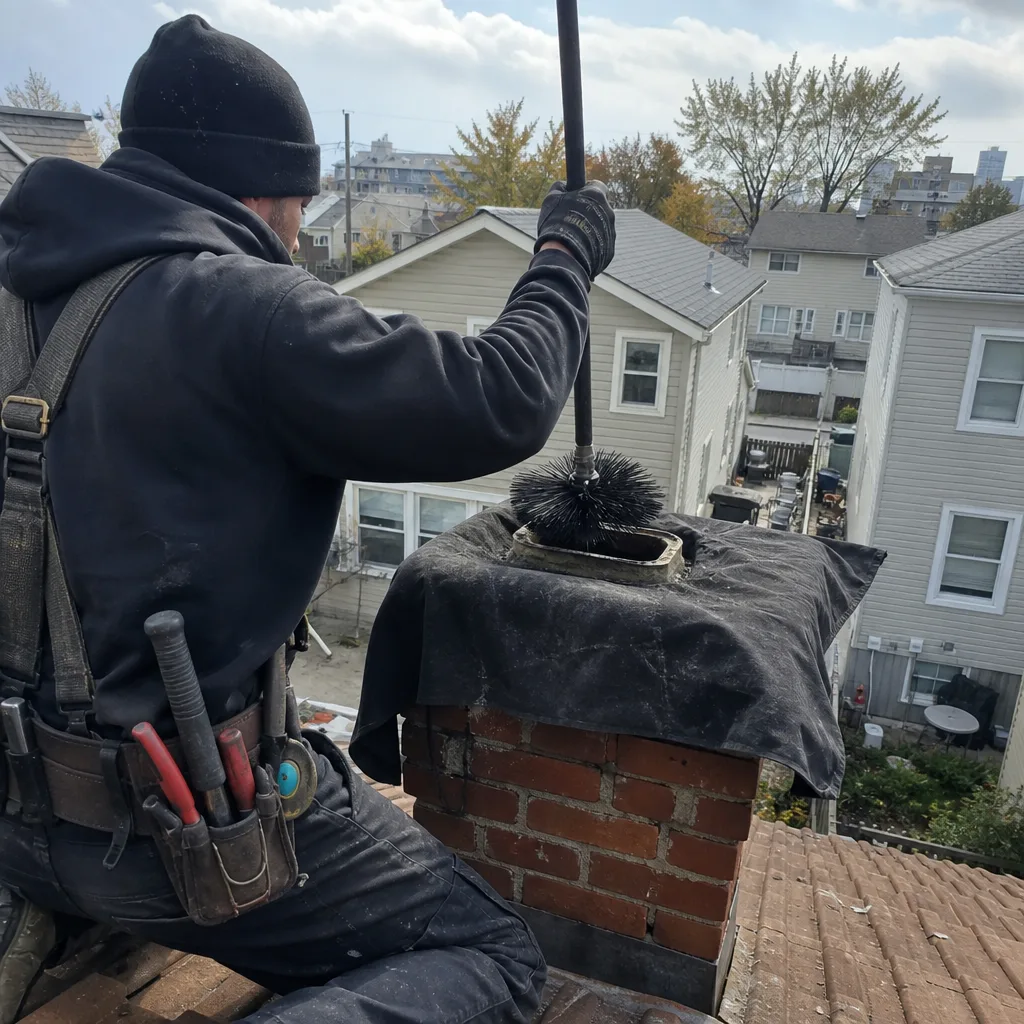
- Visible gaps or hairline cracks in the HeatShield surface. HeatShield’s Cerfractory material bonds to the existing flue wall, but thermal cycling in New York winters – freeze-thaw cycles hitting the chimney from November through March – stresses the bond. Cracks reappear most often at the tile joints where the original masonry shifted.
- Flaking or spalling material in the firebox or smoke chamber. When HeatShield delaminates, pieces of the cured sealant break off and fall. You’ll see small gray or off-white chips at the base of the fireplace or in the ash dump. That means the bond is failing somewhere up the flue.
- A draft change: the fireplace pulls worse than it used to. Rough, delaminated flue walls create turbulence. If your fires burn smokier or the room feels stuffier, the HeatShield surface may be roughing up, not smooth and sealed anymore.
- Water staining or efflorescence on the chimney breast inside the house. HeatShield is not a waterproofing system, but a failed seal lets moisture behind the repair layer. In Astoria rowhouse party walls, that moisture shows up as white mineral staining on interior brick years before it looks like a “chimney problem.”
- A previous owner’s inspection report mentions “Class II or III creosote” followed by a HeatShield patch. Heavy creosote glazing means the flue was running hot and dirty. HeatShield applied over an improperly cleaned flue rarely bonds well. Corrine has photographed plenty of those: a fresh-looking HeatShield coat that a camera probe peels right off.
 Before
 After
AfterReplacement Cost & What’s Included
Here’s what HeatShield flue liner replacement actually costs in Astoria based on what we see on the ground:
- Targeted HeatShield Joint Repair (small crack, good underlying flue): $850 - $1,400
- CeCure Sleeve Relining (full flue resurfacing): $1,600 - $2,300
- HeatShield removal + stainless liner replacement (when HeatShield has failed past saving): $2,500 - $3,400
The range depends on flue height (three-story Astoria rowhouses cost more than one-story extensions), access, and how much failed HeatShield material has to be removed before work starts. Every quote is written before work begins – that’s Clause 1 of the Haven Standard, and we’ve done it that way since 2009. You get the price, the scope, and the warranty in writing before a single tool comes off the truck. No “we’ll see when we get in there.” The camera already showed us what’s in there.
What’s included in the price: camera inspection before and after, documentation photo record of the entire flue on completion (Clause 4 of the Haven Standard), proper drop cloths and dust control, and the work is covered by the 365-Day Done Right Promise – if it’s not done right, we make it right.
DIY or Call Us?
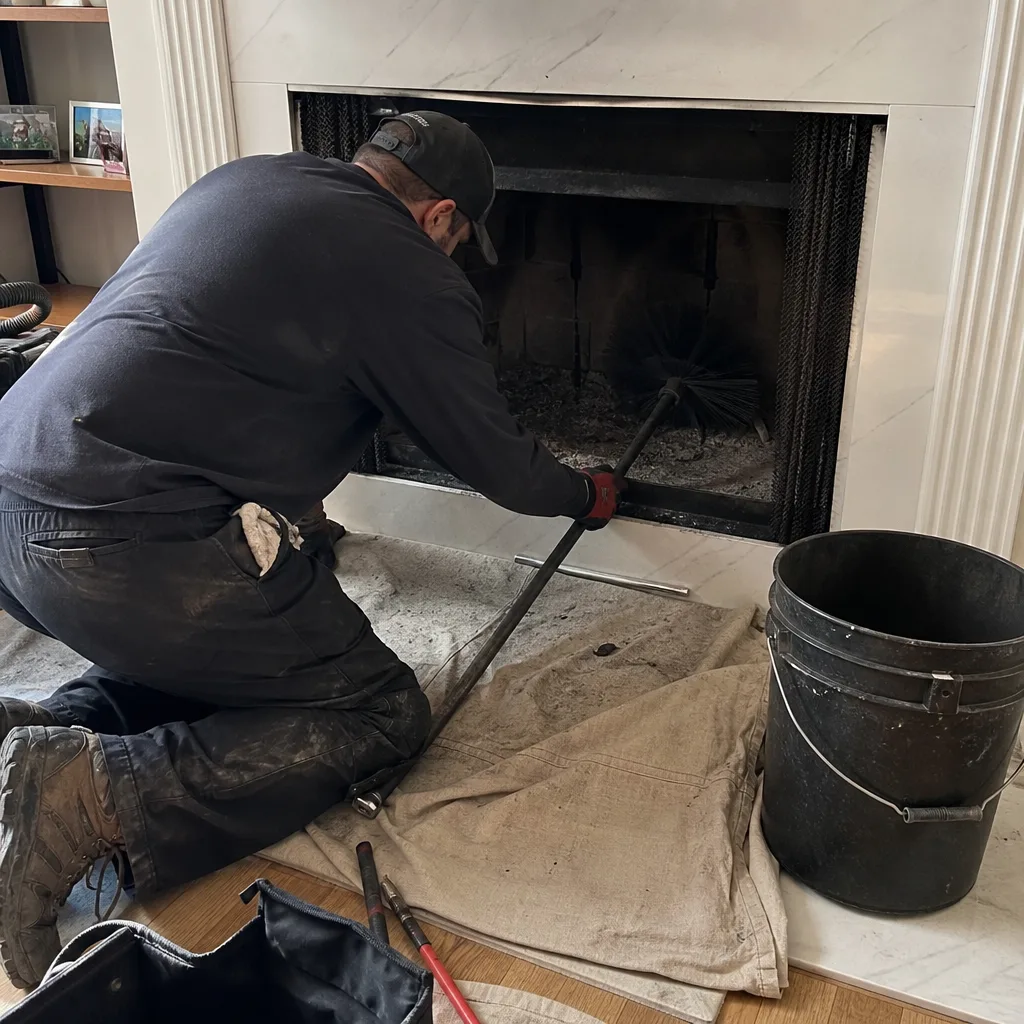
Honest answer: flue liner work is not a DIY job, full stop. The flue is a gas-tight channel for combustion byproducts – carbon monoxide, heat, and creosote vapors – running through the center of your house. If a repair fails, you won’t know until the CO detector goes off or a chimney fire starts. HeatShield is a professional-applied system; it’s not sold retail, and the application requires flue access equipment most homeowners don’t own and shouldn’t rent.
What you can safely do: shine a bright flashlight up from the firebox (dampers open, cold fireplace) and look for obvious flaking, water staining, or gaps. Take photos. Check your damper plate for loose material that’s fallen. If the last chimney inspection report is older than three years, or mentions liner damage, call us at (516) 301-1549. The camera run is quick, and we’ll give you the photo record whether you book the repair or not. That’s been the practice for 38,000+ inspections since 2009. It started because Corrine thought leaving without evidence was poor manners. Now it’s Clause 4.
FAQs
In Astoria’s climate, a properly applied HeatShield CeCure sleeve over sound masonry typically lasts 10 to 15 years before the first serious re-inspection triggers work. Joint Repair patches on flues with active shifting should be considered a 3 to 7 year fix at best. The roof deck freeze-thaw cycles on our rowhouses are hard on any sealant system, and the camera record tells the real story – we’ve seen 18-year-old HeatShield still holding in a gently used fireplace, and 5-year-old patches falling apart in a flue that ran hot every winter. Call (516) 301-1549 for an inspection and we’ll tell you which one you have.
Yes, HeatShield can usually be repaired rather than stripped, but only if the bond failure is localized. That’s the honest frustration with this system – one bad tile joint can be re-coated, but widespread delamination means the whole resurfacing job didn’t take, and re-patching delaminated material is throwing money at a flue that needs a proper liner. We’ll show you the camera footage and let you decide with your own eyes.
A targeted HeatShield joint repair runs 2 to 4 hours on site, including prep and cleanup. A full CeCure sleeve relining or a stainless replacement takes a full day, sometimes a day and a half on taller three-story Astoria flues. We’ll give you a written time window when we quote, and your tech texts you a photo when they’re en route (H.A.V.E.N. ‘Arrive on schedule’).
We stock HeatShield’s Joint Repair and CeCure materials in the standard flue diameters we see in Astoria – 6″, 7″, and 8″ runs are usually on the truck or in the shop. If your flue is an odd size or the HeatShield layer needs specialty prep, we source same-week through Haven’s materials network, which carries HeatShield, DuraFlex, Gelco, Olympia Chimney, Famco, and Copperfield. No months-long backorder. Call us at (516) 301-1549 and we’ll confirm availability for your specific job before you book.
If you’ve got a failed HeatShield liner and you want a written price, a camera record, and the job done the way we’d want it done in our own building, call (516) 301-1549. Live person, 24/7. No voicemail tag.
Written by Corrine Halstead, Owner, Level Two Chimney Astoria at Level Two Chimney Astoria, serving Astoria and nearby areas.