
Last updated September 20, 2026
Level 1 sweep and inspection to the NFPA 211 annual standard - flue, crown, cap, and flashing checked and photographed
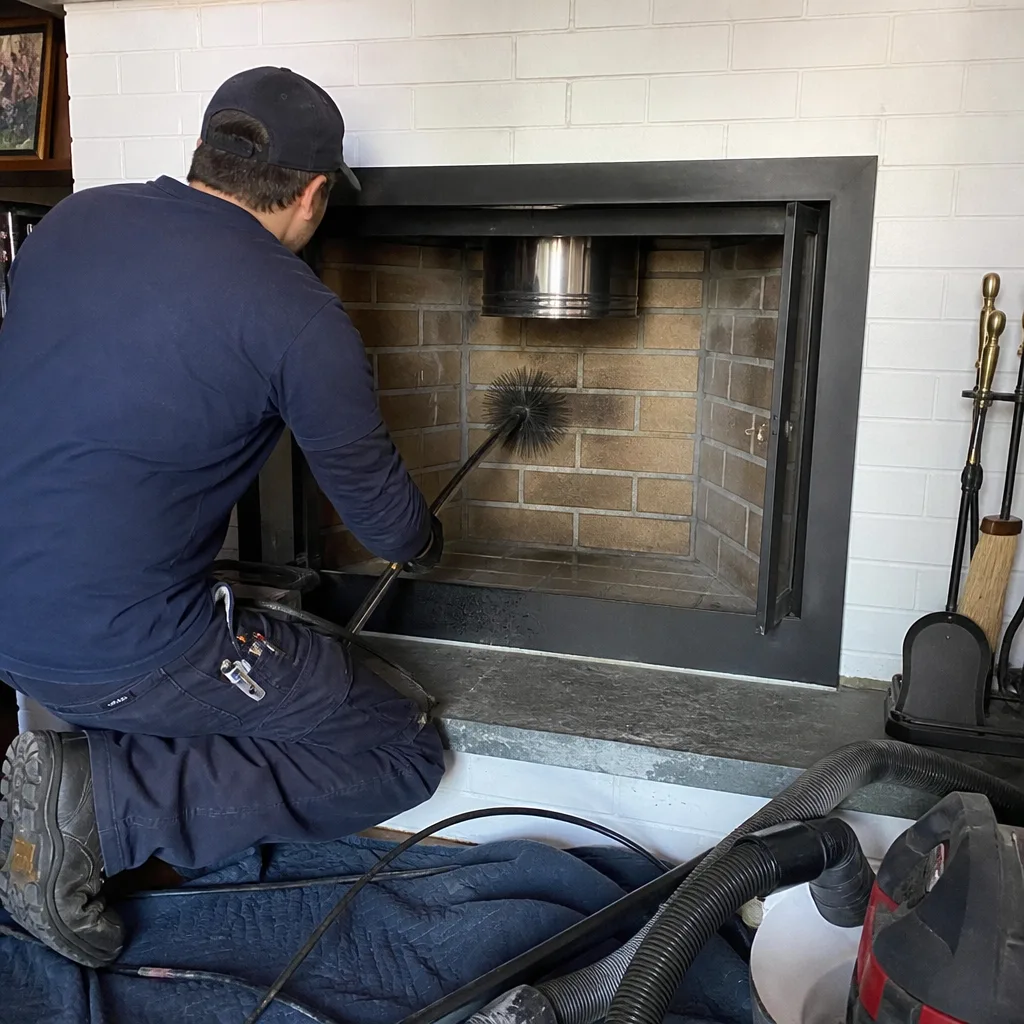
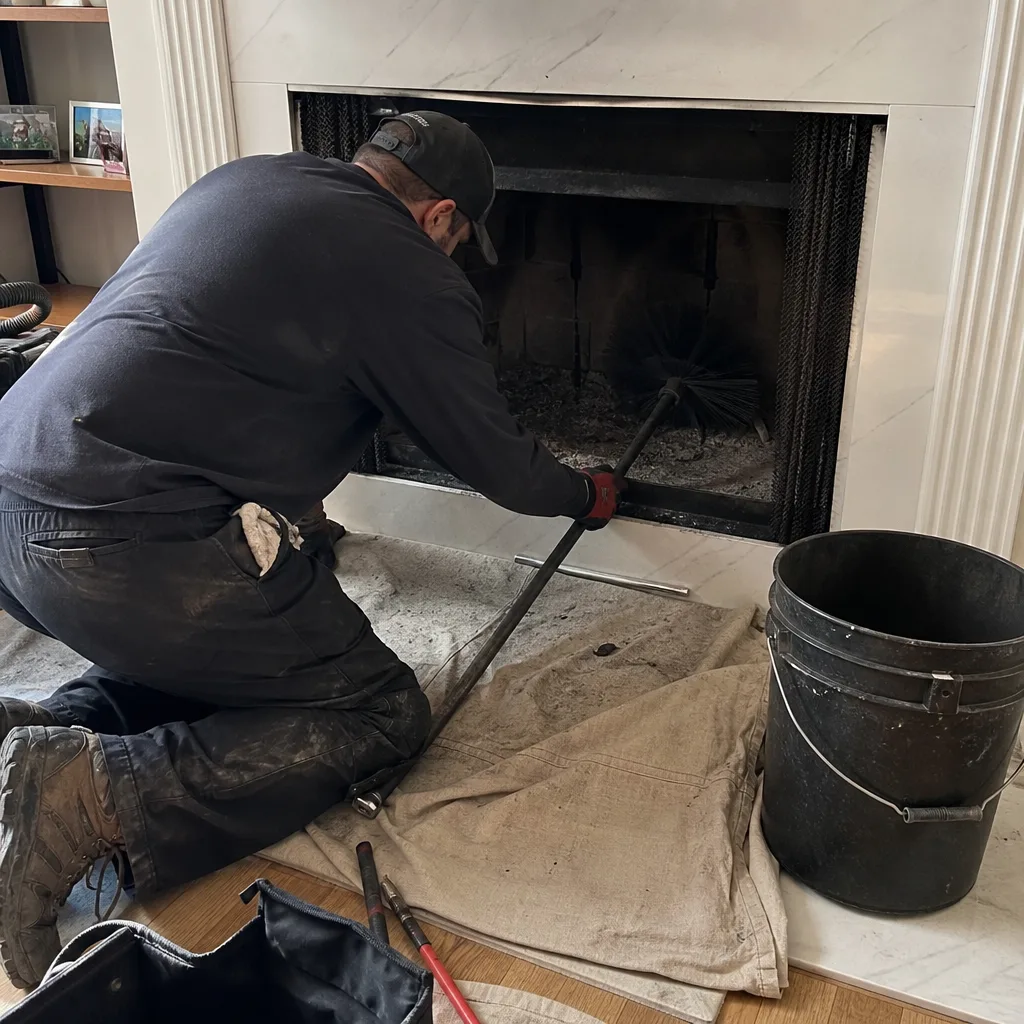
Chimney sweep logs do not sweep chimneys. They loosen some creosote - which then falls where a brush and vacuum still have to collect it.
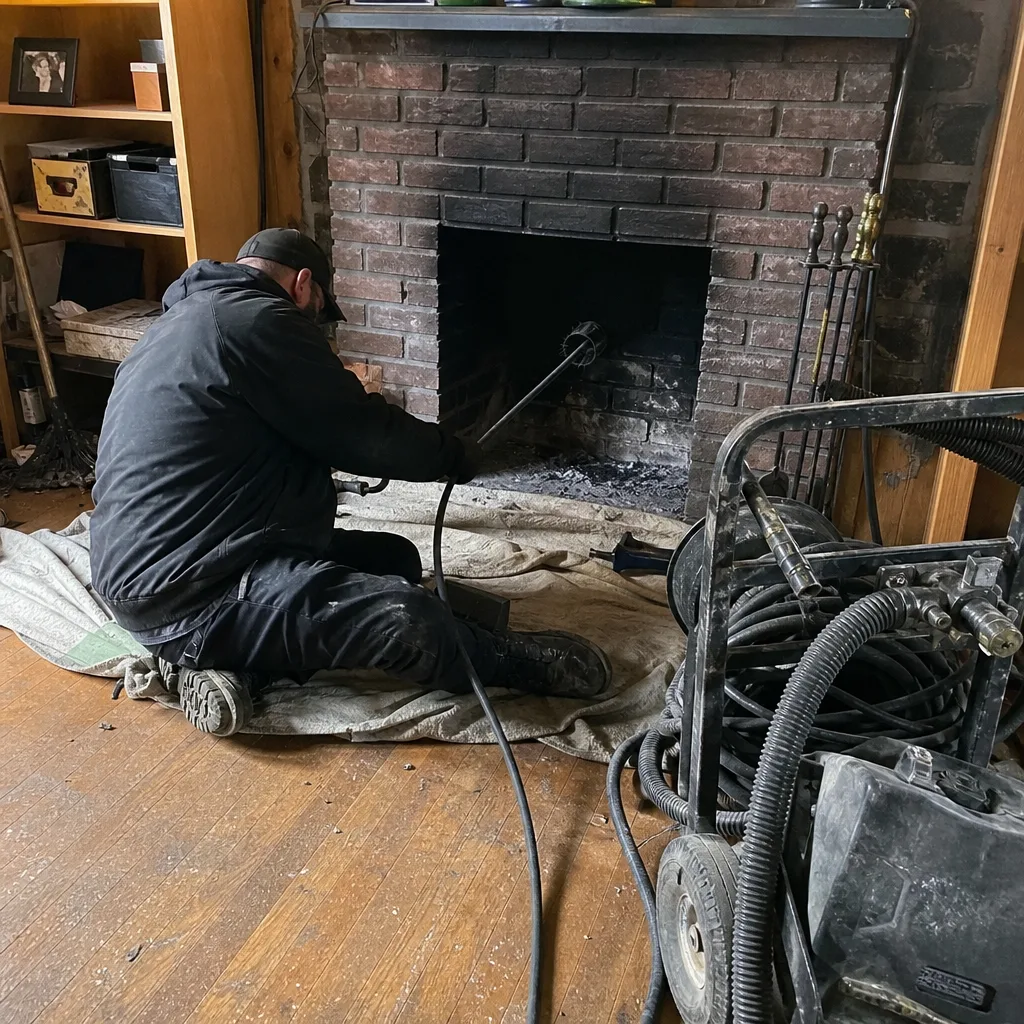 Before
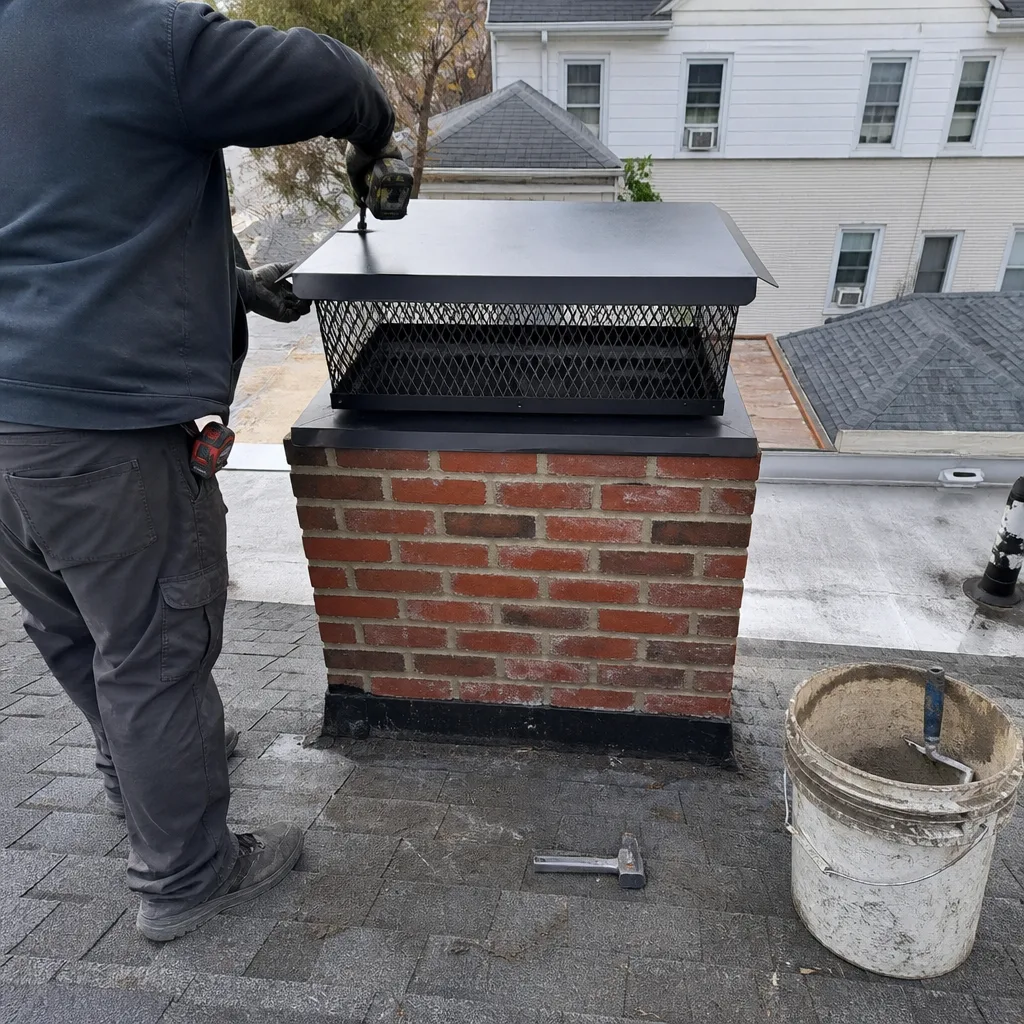 After
After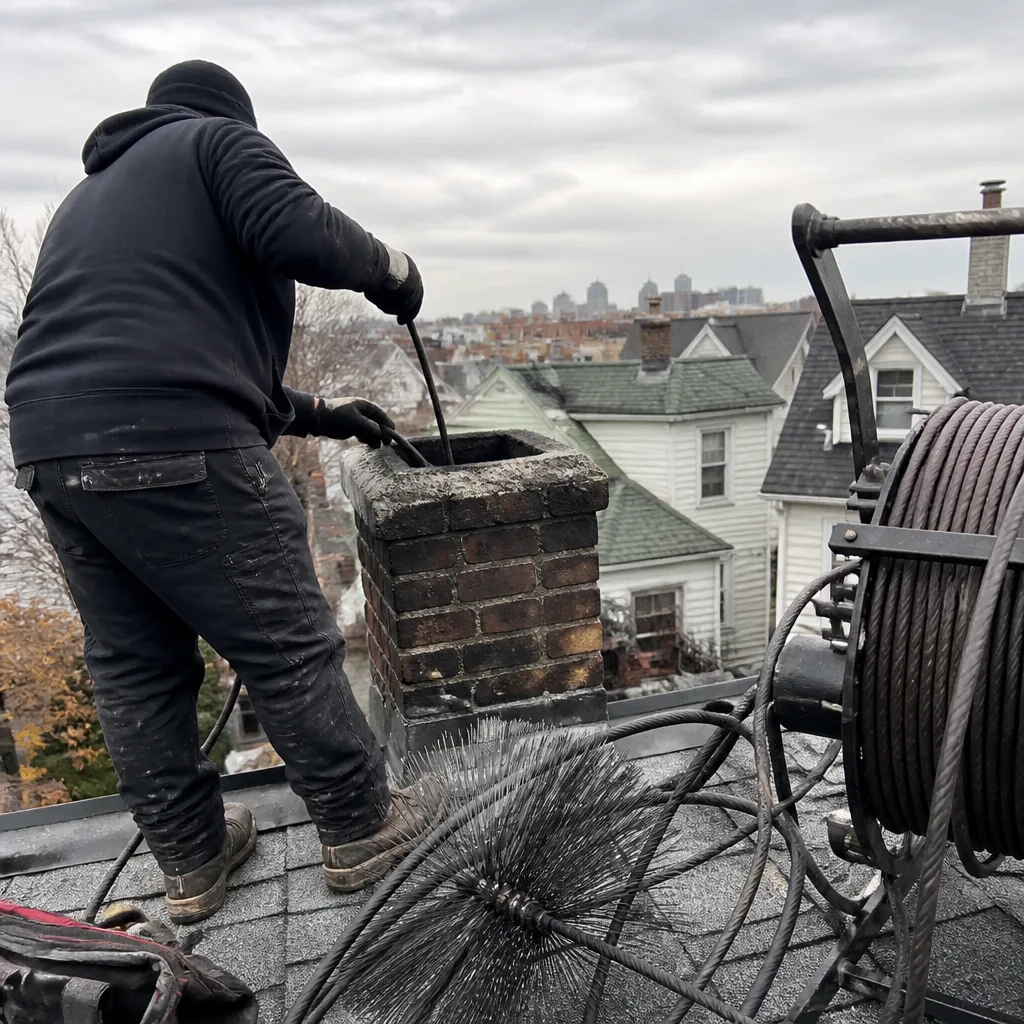 Before
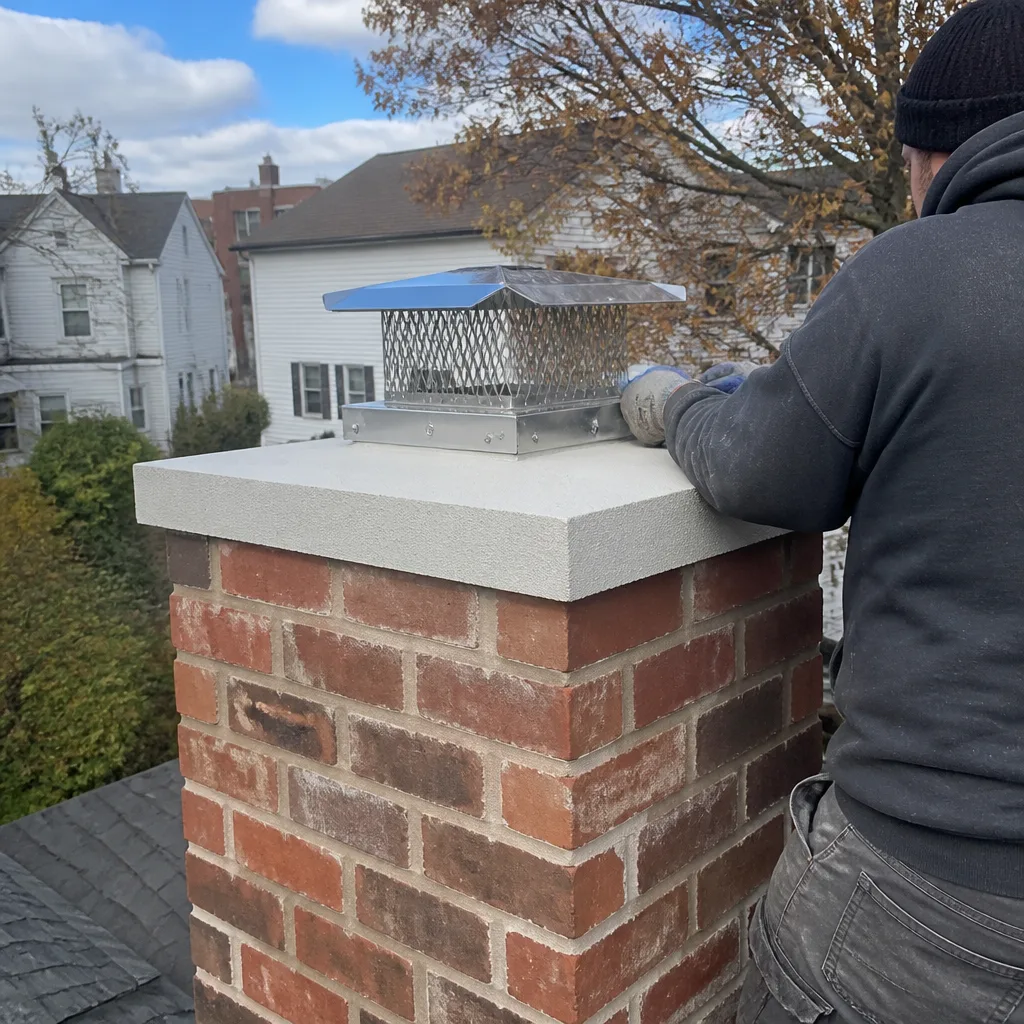 After
After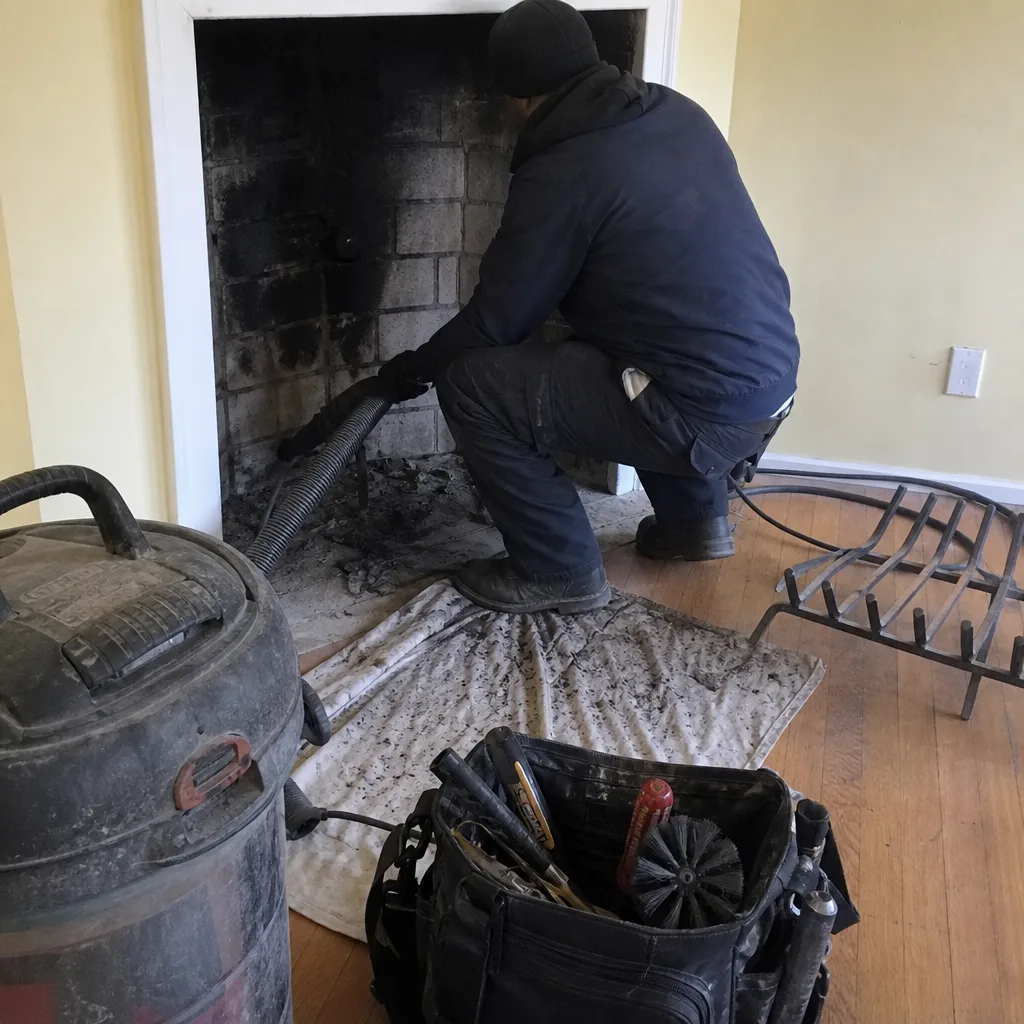 Before
 After
AfterSeasonal Chimney Cleaning Care for Astoria: Year-Round Homeowner’s Guide
The standard advice, “sweep before fall,” was written for a freestanding house burning white oak in Ohio. In a Queens rowhouse thirty blocks from the East River, the timing, the threat, and the contractor task list are different. Salt air works on metal components year-round, attached walls mean your neighbor’s chimney neglect becomes your moisture problem, and a heating season that starts with a gas insert doesn’t behave like a wood stove in the Catskills. This guide maps what each season actually does to an Astoria chimney and what action, if any, it warrants, and you can find more guides & resources on our blog. You’ll learn when a sweep is genuinely necessary, when a camera scan matters more, and what documentation you should expect from any contractor who works above your roofline.
Quick Answer
In Astoria, chimney maintenance follows a four-season rhythm: a post-winter camera inspection in spring to catch freeze-thaw damage, a summer check for animal intrusion and cap corrosion, a pre-October sweep in fall before the dense Queens housing market books out, and mid-winter vigilance for smoke rollout and odor that signal a cleaning isn’t enough, all subject to Chimney Cleaning Permits, Codes & Inspections in NY: What You Need to Know. The single highest-value action for an Astoria homeowner is a spring camera scan, because it catches spalling and liner damage before summer humidity and fall rains turn surface cracks into structural problems.
Table of Contents
- Spring: What Freeze-Thaw Cycles Do to Astoria Mortar and Crowns
- Summer: Humidity, Salt Air, and Off-Season Animal Intrusion
- Fall: Why Pre-October Scheduling Matters in Astoria
- Winter: Mid-Season Warning Signs a Cleaning Isn’t Enough
- Year-Round: Salt Air, Metal Components, and What a Seasonal Inspection Should Document
- What Seasonal Chimney Care Costs in Astoria
- Common Mistakes to Avoid
- When to Call a Professional
- Frequently Asked Questions
- The Bottom Line
 Before
 After
AfterSpring: What Freeze-Thaw Cycles Do to Astoria Mortar and Crowns
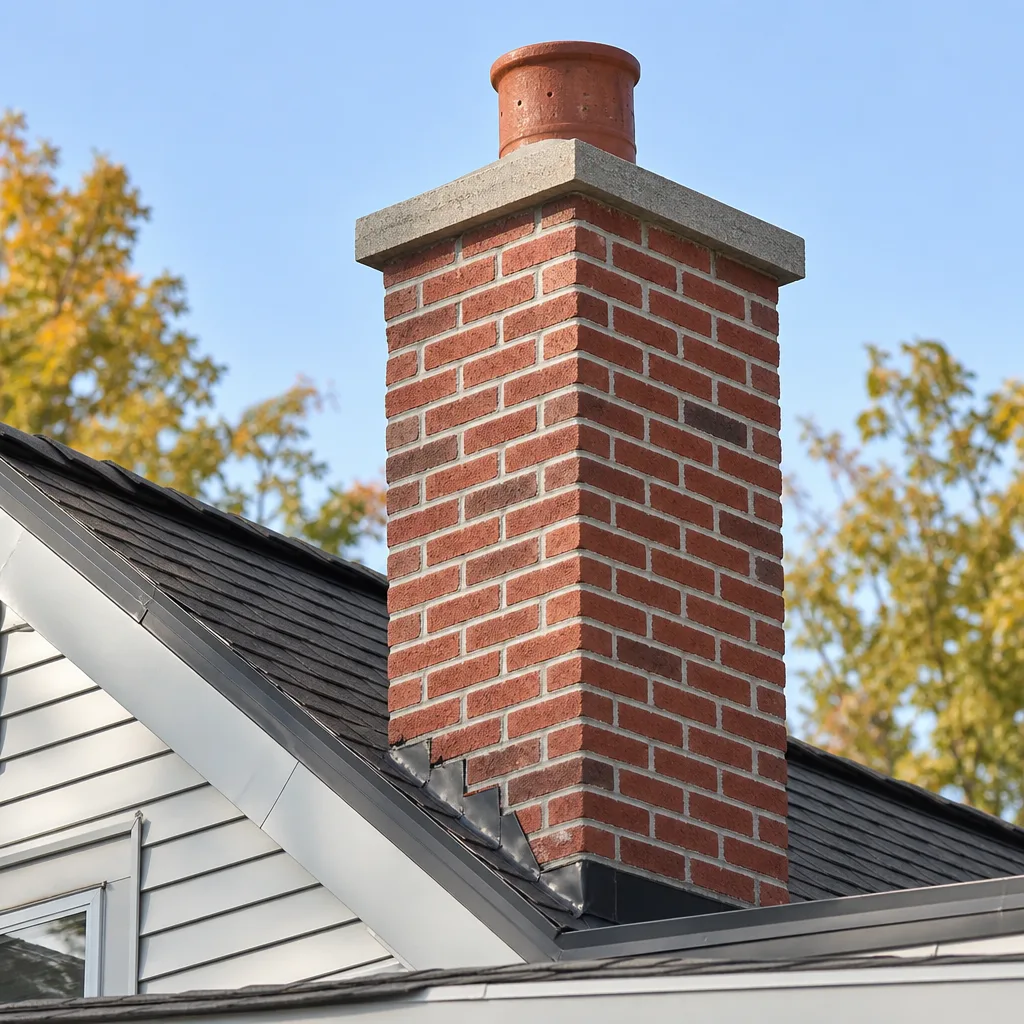
Astoria winters are not brutal by Northern New York standards, but they are wet. The real damage comes from the freeze-thaw cycle: daytime temperatures above 40°F melt snow and rain into the mortar joints and hairline cracks of your chimney crown, then night temperatures drop below freezing and the water expands by about 9 percent. Over a single season, that expansion and contraction can turn a cosmetic crack into spalling, which is when the face of the brick literally pops off in chips or sheets. We see it most often on chimneys built before 1980, when Astoria’s rowhouse stock was largely completed.
Spring is the time to look, because the damage has already happened and the evidence is visible from the ground. You’re checking for three things:
- Spalling brick faces - chips of red clay in your gutter or on the roof is a sign the brick face has separated. Once the face is gone, water penetrates the softer interior of the brick and accelerates decay.
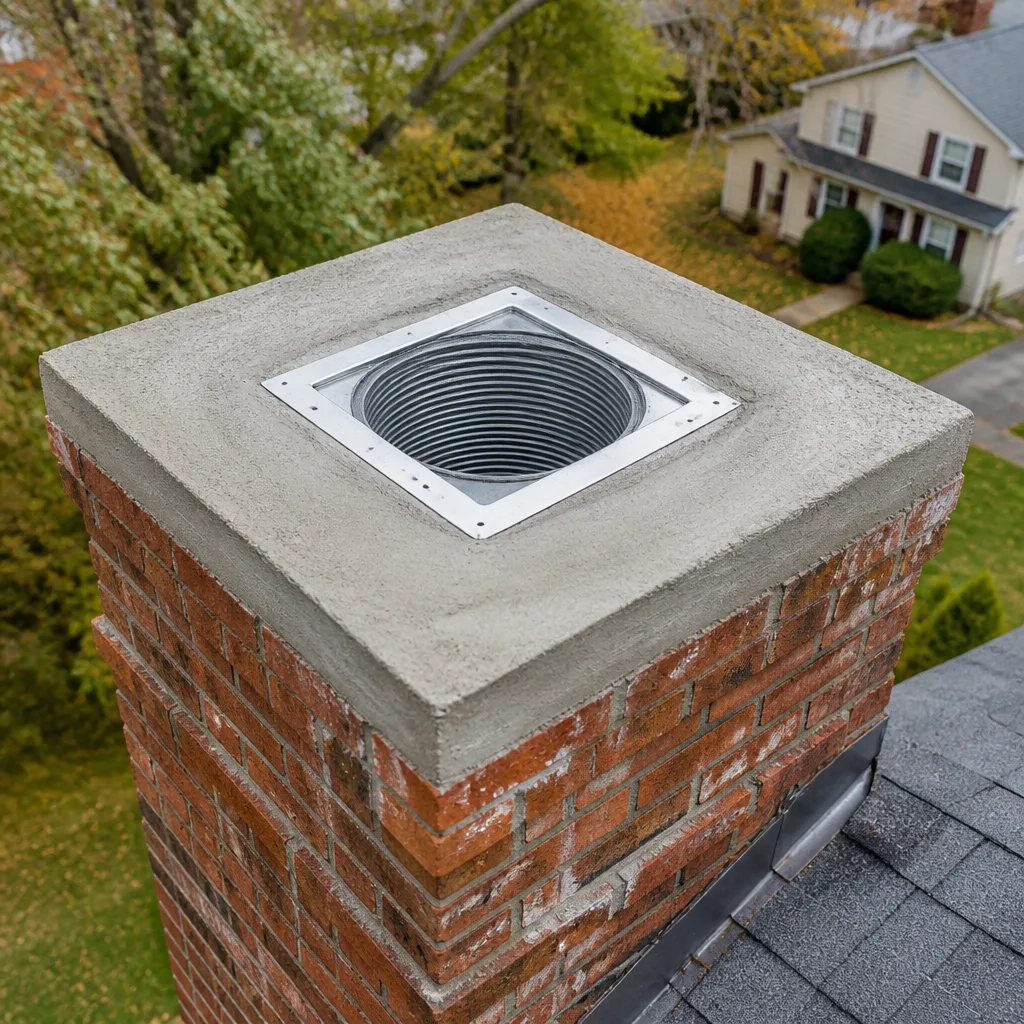
- Crown cracks - the concrete or mortar slab on top of the chimney is the umbrella for everything below it. A crack wider than 1/8 inch will let water into the masonry. In Astoria, where many crowns were originally poured without a proper drip edge, this is the single most common cause of interior chimney damage.
- Efflorescence - the white, chalky residue left behind when water evaporates from masonry and leaves salt deposits behind. Astoria’s salt air adds chloride to the mix, and efflorescence is the first visible sign that water is moving through your chimney, not just sitting on it.
The reason a post-winter camera scan matters more than a visual cleaning is simple: these conditions are surface-level until they aren’t. A crack in the crown lets water into the flue, where it saturates the clay tile liner. The next time you run a fire, that water flashes to steam, and the thermal shock is what actually cracks a clay liner. A camera scan shows you the liner condition directly, before a $300 crown repair becomes a $4,000 liner replacement. That’s the full point of Chimney Cleaning & Sweep in Astoria done properly: documentation, not just dust removal.
Spring action list:
- Inspect the crown and cap from the ground after the last snow. Look for visible cracks, missing mortar, or a rusted cap.
- Book a camera scan if you see efflorescence, spalling, or if it’s been more than two years since the last documented inspection.
- Schedule any crown or repointing work before summer, when masonry work cures properly in warmer, drier conditions.
- Have the flue liner checked while the heating season is still fresh in your memory. If you noticed any mid-winter odor or smoke rollout, report it now.
Summer: Humidity, Salt Air, and Off-Season Animal Intrusion
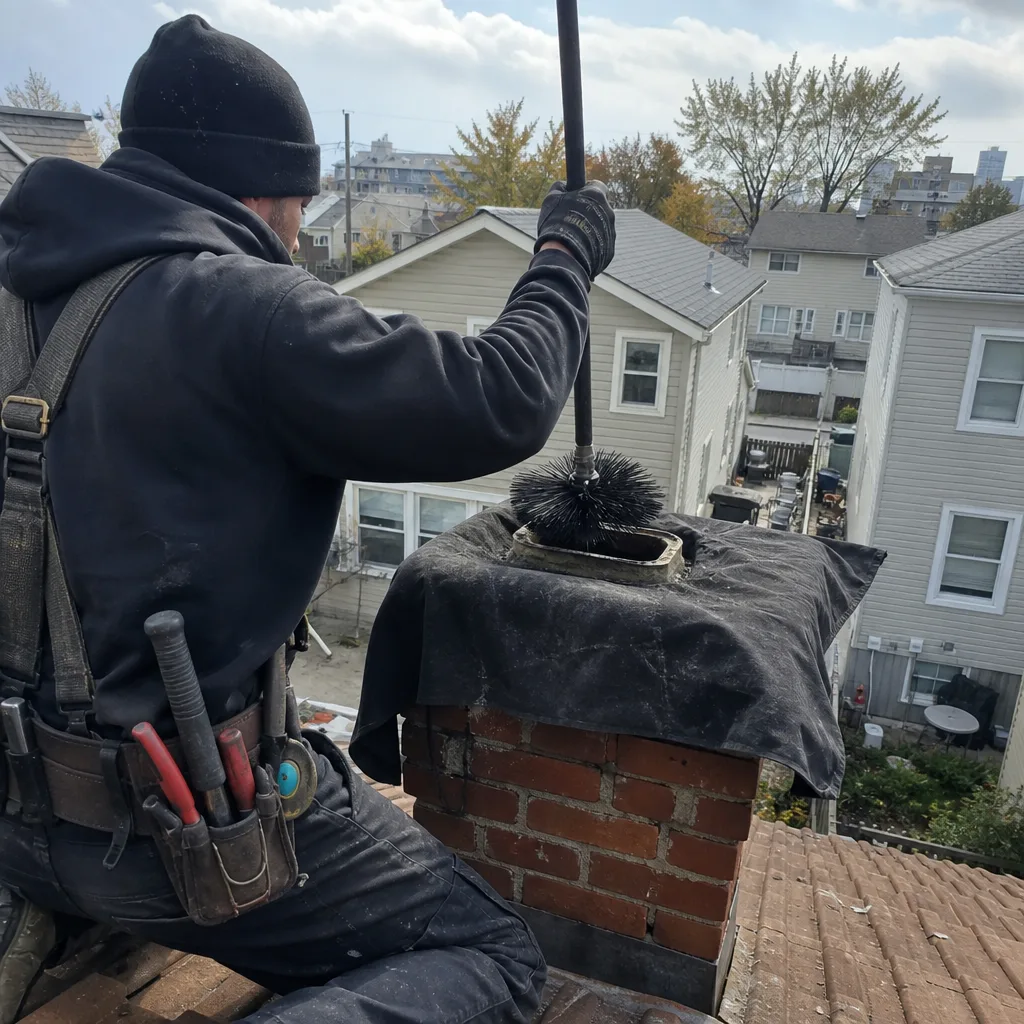
Astoria summers are humid, and that humidity does two things to a chimney. First, it softens already-compromised mortar, which means a crack that was stable in March can widen by August without any freeze-thaw involved. Second, Astoria’s humidity combines with the salt air off the East River and Long Island Sound to create a corrosion environment for metal components that simply doesn’t exist in inland New York markets. A galvanized steel chimney cap in Albany might last 15 years. The same cap on a rowhouse near Astoria Park can show significant rust in five, and we’ve documented cap failure in less than three on properties within a block or two of the water.
Summer is also when animals move in. Starlings, house sparrows, and squirrels are the main offenders in Astoria. A chimney with a damaged or missing cap is an open invitation. Starlings in particular favor the upper flue area for nesting, and their nests are dense, fibrous structures that can completely block a flue. Squirrels can’t typically climb the slick interior of a clay tile liner, but they will happily tear at the chase top or cap flashing to create entry points. Here’s what you’re looking for:
- Debris accumulation - twigs, grass, and nesting material visible from the top of the flue. Even a partial nest is a fire hazard because it sits directly in the flue path.
- Animal noise - scratching or chirping sounds from the chimney, particularly in the early morning or early evening. Starlings are social nesters; if you hear one, there are usually several.
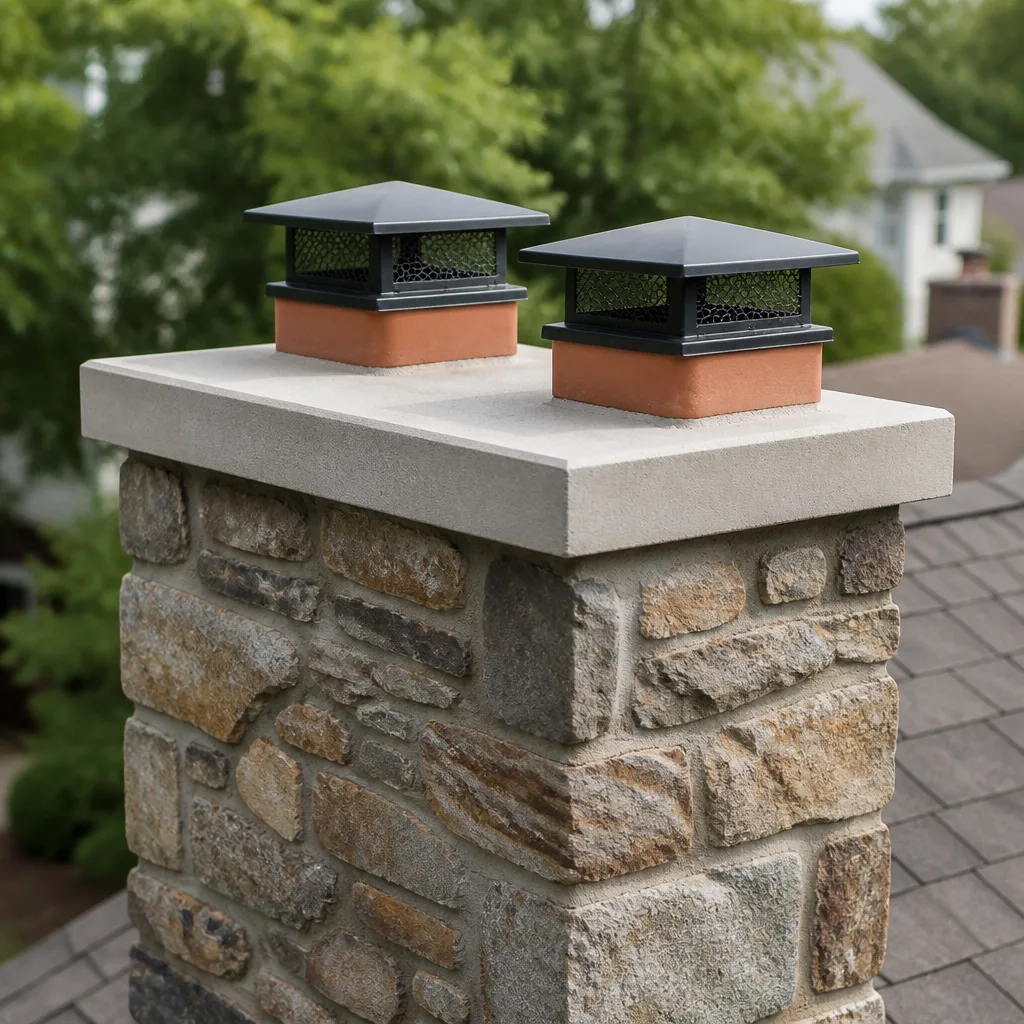
- Cap damage or absence - any cap with visible rust-through, a missing mesh screen, or loose mounting. Without a cap, nothing else you do to protect the flue matters.
What surprises most Astoria homeowners is that an unused summer chimney is not a harmless chimney. Moisture continues to move through the masonry, animals take advantage of the quiet, and the flue liner sits in a warm, humid environment that accelerates degradation of any existing cracks. The summer inspection is not about cleaning; it’s about confirming that the chimney is sealed against the elements and the animals. When we install a cap, we document the existing condition first, because you can’t assess what you can’t see.
Fall: Why Pre-October Scheduling Matters in Astoria
Astoria is dense. Not dense for Queens, dense for the United States. There are roughly 42,000 households packed into a square mile and change, and a significant portion of those households live in attached rowhouses with working chimneys. When September hits, all of those homeowners have the same thought at the same time: “I should get the chimney swept before I use it.” The result is predictable. Level Two Chimney Astoria home booking calendars fill completely by mid-September in a normal year, and anyone still calling in late October is looking at a two-to-three-week wait. If you burn wood at all, you want the sweep done before the first fire, not after you’ve already lit three.
For the pre-season appointment in Astoria, a basic sweep is not enough. Here is what you should verify in the appointment before anyone comes out:
- A written price before work starts. Not a phone estimate, not a range, not a “we’ll see when we get there.” A written scope and a written price, delivered before the technician breaks out a single tool. This is not a luxury; it is the defining difference between a contractor you can hold accountable and one you can’t.
- A camera-scan inspection. A Level 2 inspection per NFPA 211 uses a camera inside the flue to document liner condition, mortar joints, and any obstruction. A flashlight look from the top or bottom cannot see the middle of an Astoria rowhouse flue, which can run 30 to 40 feet.
- A documented photo record. You should walk away with images of what was found, what was cleaned, and what the flue looked like after. If a company won’t show you the inside of your own chimney, don’t hire them.
- Cap and crown condition check. These are the most exposed components on an Astoria roof, and they’re ignored by a surprising number of sweeping companies. The fall check confirms they survived another summer and are ready for winter.
If you’re in a rowhouse, there’s one more point that owners of detached homes never think about: your chimney often shares a party wall with a neighbor’s flue. A chase or chimney stack in the middle of a block of attached houses may serve multiple units. Work done on one flue can affect the adjacent one, and a deteriorating shared masonry mass is a shared problem. The fall appointment is the time to document your side of the stack, so if a dispute or shared repair comes up, you have a record.
Winter: Mid-Season Warning Signs a Cleaning Isn’t Enough
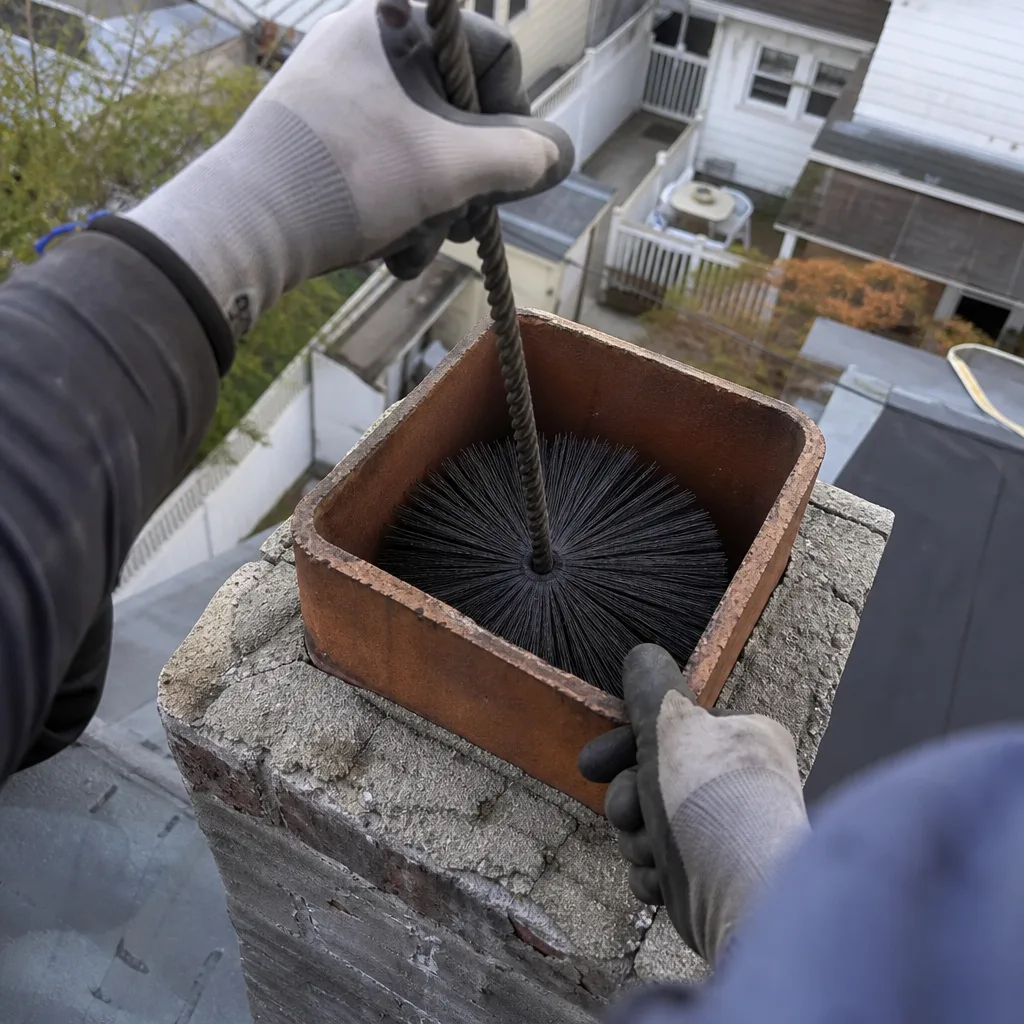
Once the heating season is underway, the question changes from “do I need a sweep?” to “is the chimney functioning safely?” A cleaning removes creosote and soot, but it cannot fix a cracked liner, a blocked flue, or a deteriorating smoke chamber. The mid-winter warning signs below mean you need a camera scan, not another sweep:
- Smoke rollout - smoke entering the room when you open the fireplace door or when the fire is lit. This is a drafting failure, and in most cases it points to an obstruction, a liner problem, or inadequate flue size. It is not something to solve by opening a window.
- Persistent odor - a campfire smell that lingers when the fireplace is not in use. This indicates creosote buildup that has absorbed into the flue lining, or moisture in the flue creating a damp, sour smoke smell. In Astoria rowhouses, the odor can also travel from a neighbor’s flue if the shared stack has cracks.
- Visible staining above the firebox - brown or yellow staining on the wall above a fireplace opening, or on the ceiling near the chimney. This is water or smoke residue being pushed through the masonry, and it generally means a breach in the flue liner or the smoke chamber. The stain is the smoke evidence of a problem that has been building for months.
- Debris falling into the firebox - small pieces of mortar, brick chips, or flakes of clay tile showing up in the fireplace between uses. That material is coming from somewhere inside the flue, and it means the liner or the masonry is actively deteriorating.
These are not conditions you should try to diagnose or fix yourself. A flue liner is a safety component, and a damaged one in an attached Astoria rowhouse is a fire risk to the entire row, not just your unit. The rule is simple: if you see smoke rollout or staining, stop using the fireplace and get a camera inspection. Chimney Repair in Astoria starts with documentation, because you cannot design a repair for damage you haven’t seen.
Year-Round: Salt Air, Metal Components, and What a Seasonal Inspection Should Document
Astoria’s location between the East River and Long Island Sound creates a microclimate that accelerates corrosion on every metal component of your chimney. This is not a cosmetic problem. A corroded chimney cap fails to keep out rain and animals. A rusted damper stops seating properly, which means it leaks warm air all winter and lets cold air back-draft in summer. A deteriorating chase cover lets water directly into the chase and onto the top of the fireplace system. The seasonal inspection should document the specific condition of:
- The chimney cap - rust-through, mesh screen integrity, and mounting. A cap with a rust hole is as useful as no cap at all.
- The damper - operation of the handle, seating of the plate, and any corrosion on the frame. In Astoria, we see dampers that won’t close properly after just a few years because the salt air has pitted the seating surface.
- The flashing - the metal seal where the chimney meets the roofline. Astoria rowhouses typically have older flashing, and a failed flashing joint is the most common source of the ceiling stains that show up around the chimney breast.
- The chase cover - on prefabricated chimneys, the metal plate that covers the top of the chase. These fail predictably in salt air, and when they do, water runs straight down through the structure.
We source cap and damper components from manufacturers like Famco and Copperfield because those units are built with coastal environments in mind, and the materials hold up better in Astoria’s specific conditions than generic hardware. The right component matters, but the documentation matters more. Clause 4 of the Haven Standard requires a photo record on every job, and that principle goes both ways: you should never accept a contractor’s verbal description of your chimney’s metal components when a photo takes three seconds to take and gives you an actual record.
What Seasonal Chimney Care Costs in Astoria
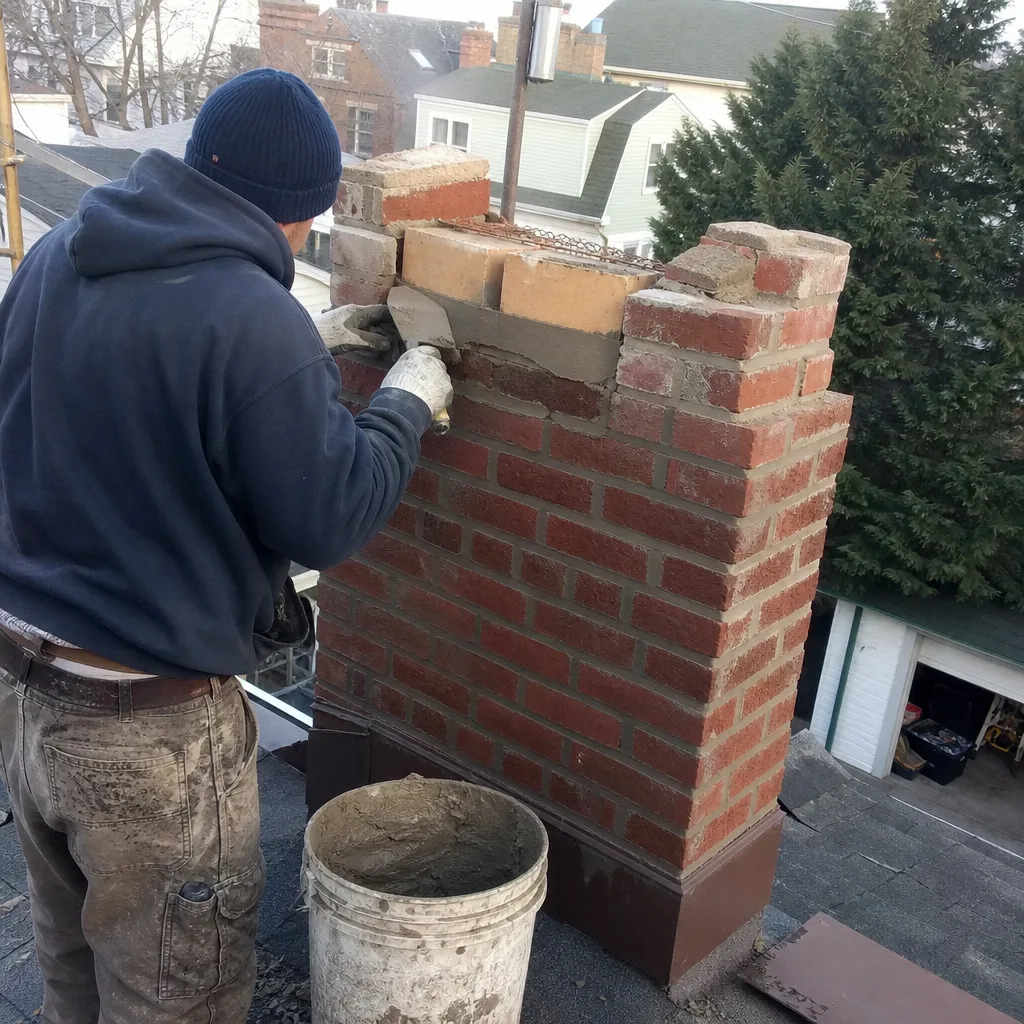
Every homeowner wants the price on the page, so here it is, in real dollars for the Astoria market as of 2026, drawn from our full Chimney Cleaning Cost Breakdown: The Astoria Homeowner’s Reference for 2026:
| Service | Typical Astoria Price Range | What It Includes |
|---|---|---|
| Chimney sweep (standard) | $200 – $350 | Removal of soot and creosote, basic condition note, no camera documentation |
| Chimney sweep with camera-scan inspection | $350 – $600 | Full sweep plus NFPA 211 Level 2 camera documentation of liner, smoke chamber, and flue condition |
| Chimney cap replacement | $250 – $850 | Cap unit, installation, and documentation. Material and size affect the total. |
| Crown repair (minor crack) | $300 – $600 | Sealant and crack repair. A full crown rebuild runs higher. |
| Flue liner inspection only | $150 – $300 | Camera scan alone, which is the right call if you just need documentation before a repair |
| Smoke chamber parging | $800 – $1,500 | Resurfacing of the smoke chamber area, which is frequently deteriorated in older Astoria rowhouses |
These are honest market ranges. Some companies advertise $99 sweeps in Astoria; the $99 covers getting a technician to your door and is frequently used to upsell unneeded liner work. The line-item that matters is not the sweep itself but whether you receive a written price before the work and a documented record after. A sweep with no camera documentation is a cleaning, not an inspection, and it leaves you with no evidence of what the flue actually looked like. If you want a written estimate in Astoria, call (516) 301-1549 and you’ll have one before anyone starts.
Common Mistakes to Avoid
- Booking the sweep in late October - by then, every reputable company in Astoria is booked and you’ll either wait three weeks or end up with a company that had availability for a reason.
- Accepting a verbal “everything looks good” - if there is no photo record, there is no record. You should walk away from every chimney service with images of what was found. Period.
- Paying for a liner replacement without seeing the camera footage - the camera scan exists so you can see the damage with your own eyes. Any contractor recommending major work should be able to show you the liner condition on the spot.
- Ignoring efflorescence as “just salt” - in Astoria, salt air does leave white residue, but efflorescence on the interior masonry means water is moving through the structure, not just sitting on a surface.
- Fixing the cap but not the crown - the cap sits on the crown. A new cap on a cracked crown is like new tires on a bent rim.
- Assuming the neighbor’s chimney is the neighbor’s problem - in attached rowhouse construction, a shared masonry stack shares moisture, drafting, and sometimes smoke paths. Your documentation is your protection.
- Using the fireplace through a winter without a prior camera scan - a visual clean is not a safety inspection. The camera scan is the difference between knowing the flue is clean and knowing the flue is sound.
When to Call a Professional
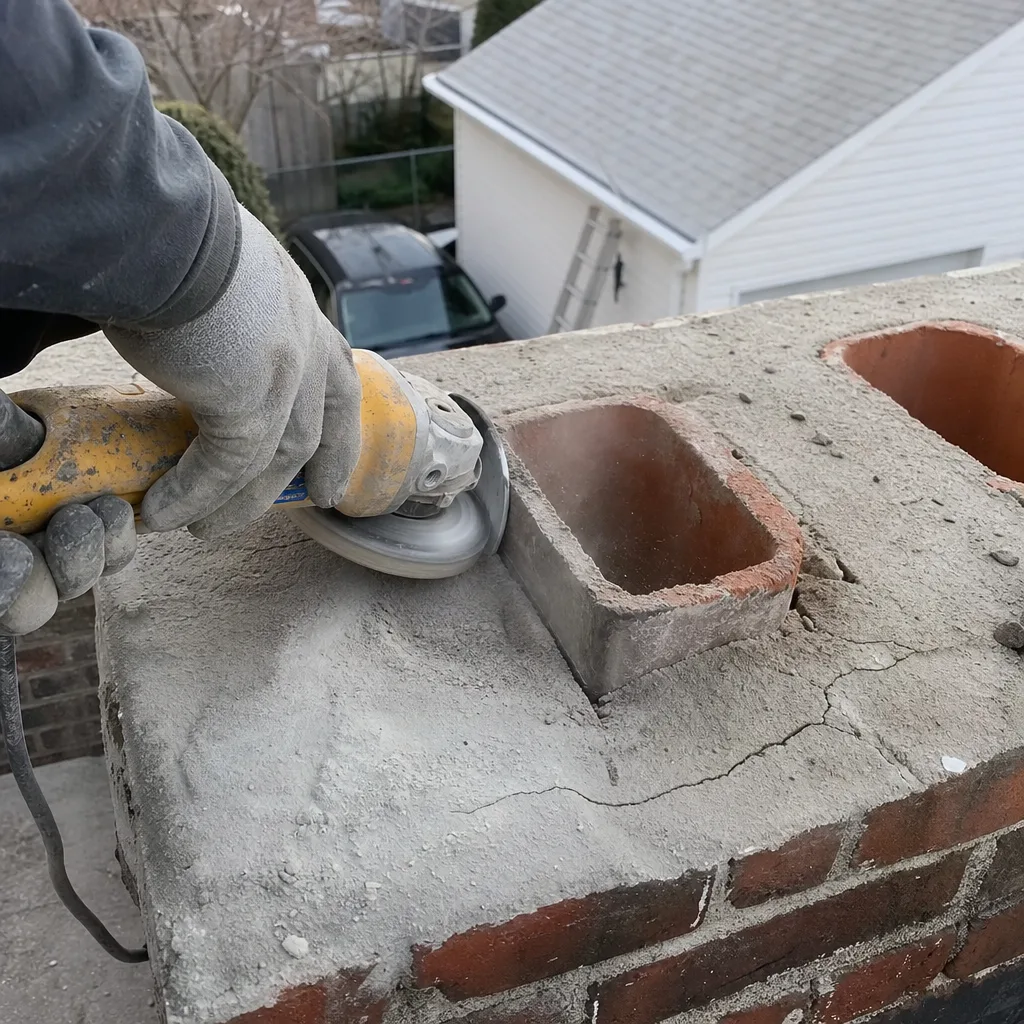
Call if you see smoke rollout, wall staining above the firebox, or if debris has fallen into the fireplace. Call if your cap is visibly rusted or missing, if you hear animals in the chimney, or if it has been more than two years since anyone looked inside the flue with a camera. Call if you just bought a house in Astoria and the previous owner left no chimney documentation; the most expensive chimney problems are the ones that were building for years before they surfaced. Fireplace Services in Astoria should always begin with documentation, not demolition. Level Two Chimney Astoria offers free estimates in Astoria, call (516) 301-1549.
Frequently Asked Questions
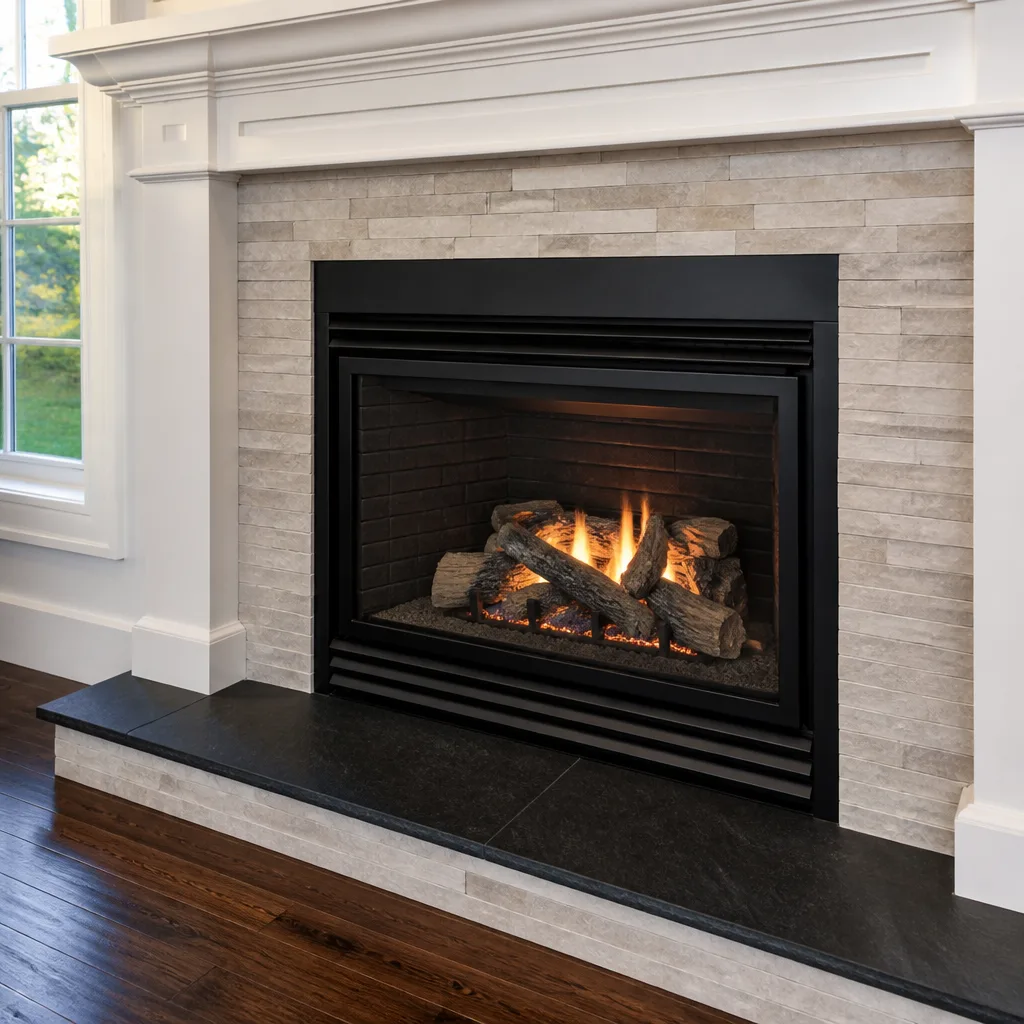
If you burn wood, sweep it annually. If you have a gas insert or gas fireplace, a camera inspection every two years is usually sufficient unless you notice odor, staining, or draft problems. Astoria’s salt air and rowhouse density justify the camera inspection more than the sweep itself. Call (516) 301-1549 for a written quote before you book anything.
A sweep alone runs $200 to $350. A sweep with camera-scan documentation runs $350 to $600. The price difference is the documentation; the sweep removes soot, but the camera shows you the condition of the flue liner and smoke chamber. Call (516) 301-1549 for an exact written estimate.
Maybe. You need a camera scan to know. A cracked clay tile liner in an Astoria rowhouse is a safety issue, not a cosmetic one, but no one should recommend a liner replacement without showing you the camera footage. If a contractor recommends liner work without camera evidence, get a second opinion. Call (516) 301-1549 and we’ll document the liner condition before anyone quotes a replacement.
You are betting that the flue lining is still intact, the cap is still sealed, and no animals have moved in. If any of those bets are wrong, the first symptom may be a chimney fire or carbon monoxide backdraft rather than a service call. In an attached rowhouse, that risk is shared with the neighbors on both sides of the party wall.
You can inspect the exterior from the ground: look for spalling brick, efflorescence, crown cracks, and a rusted cap. You cannot safely inspect the flue interior. A camera scan requires specialized equipment and the right access, and climbing an Astoria rowhouse roof without training and proper fall protection is not something we recommend.
Yes. The salt accelerates corrosion on caps, dampers, and flashing. A steel component that lasts 15 years in Albany may fail in five years two blocks from the East River. The fix is not a different chimney; it’s using corrosion-resistant components and documenting their condition annually. Call (516) 301-1549 to schedule a seasonal inspection with photo documentation.
The Bottom Line
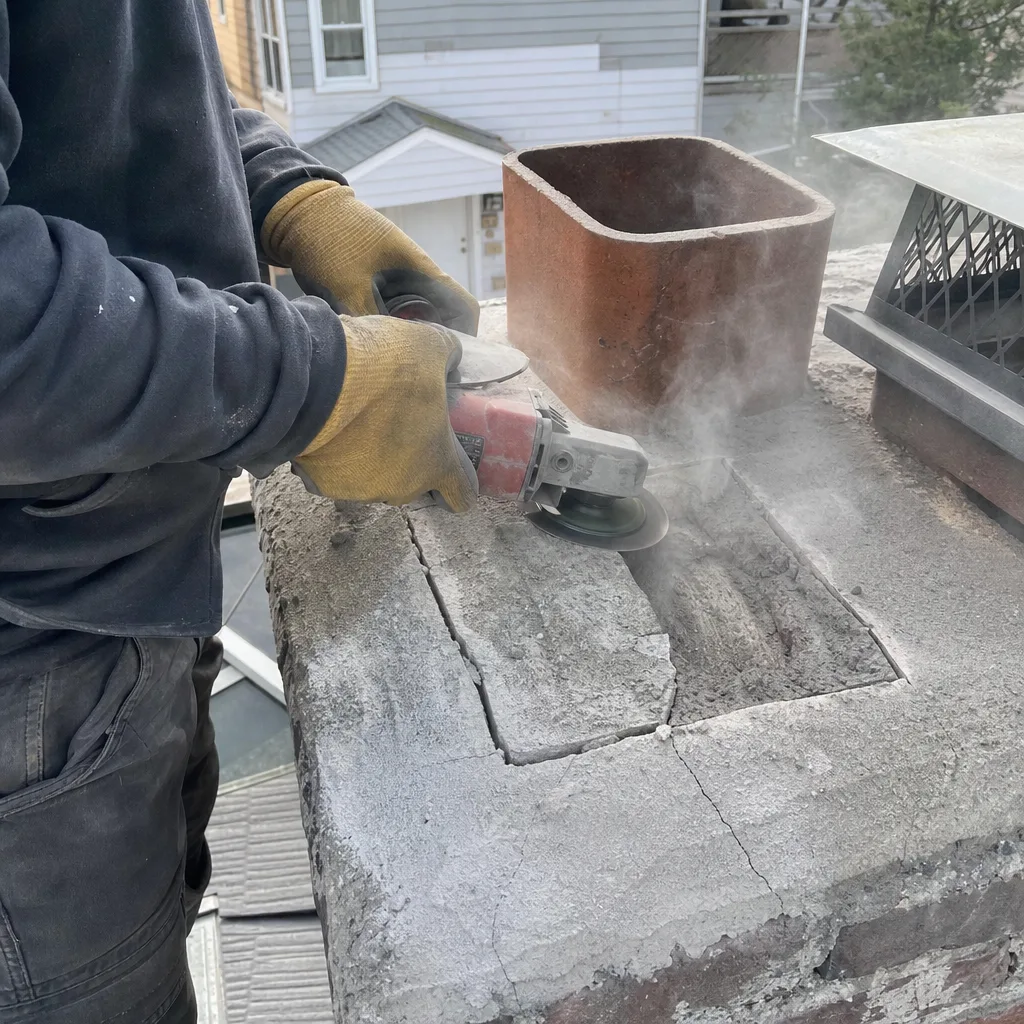
Astoria’s chimney calendar tracks the seasons, but not the way national advice assumes. Spring is for documenting freeze-thaw damage before summer humidity worsens it. Summer is for verifying the cap and damper survived salt air and animal season. Fall is for sweeping early, before the dense Queens housing market books out. Winter is for watching for the warning signs that a cleaning isn’t enough. The through-line is documentation: a camera scan, a written price, a photo record. Without evidence, even a clean chimney is an unknown. With evidence, every decision about repairs, deferral, or maintenance becomes straightforward.
Written by Corrine Halstead, Owner at Level Two Chimney Astoria, serving Astoria since 2009.