
Last updated September 20, 2026
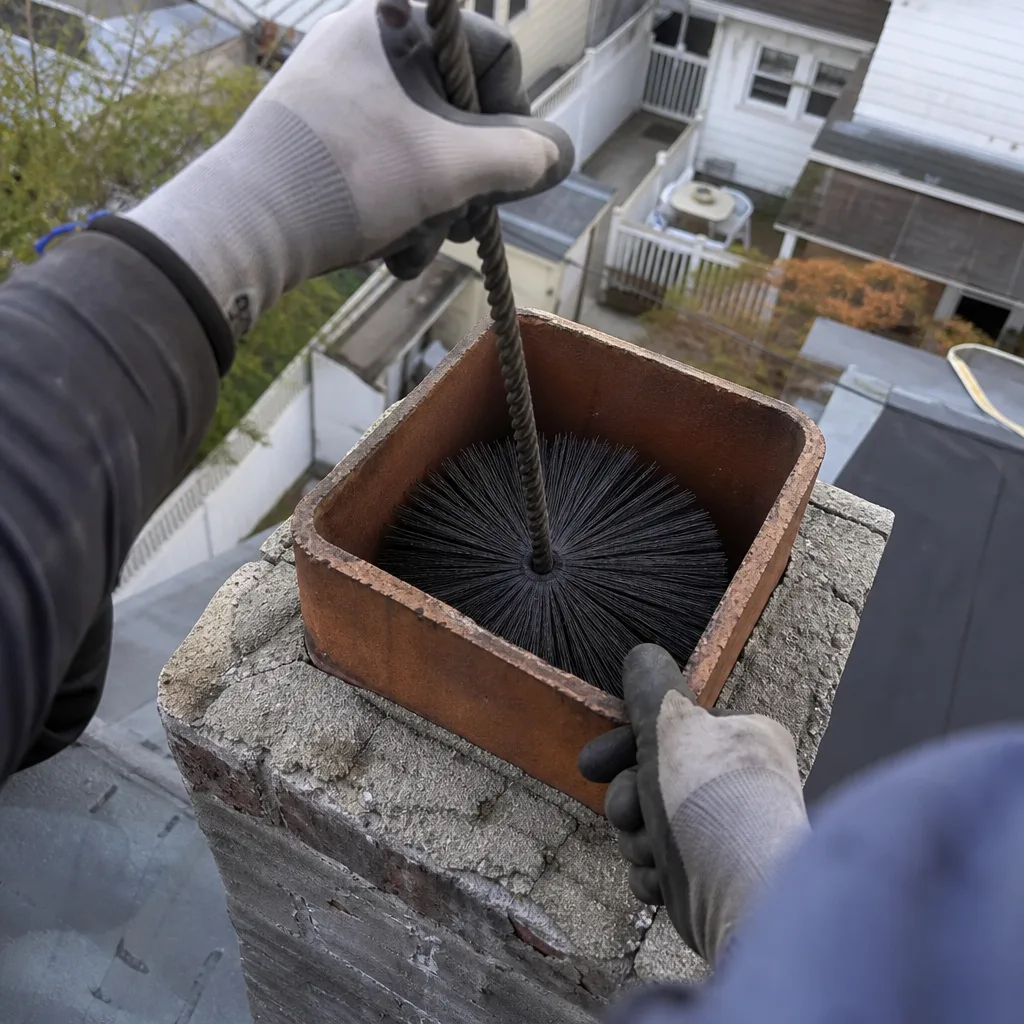
Level 1 sweep and inspection to the NFPA 211 annual standard - flue, crown, cap, and flashing checked and photographed
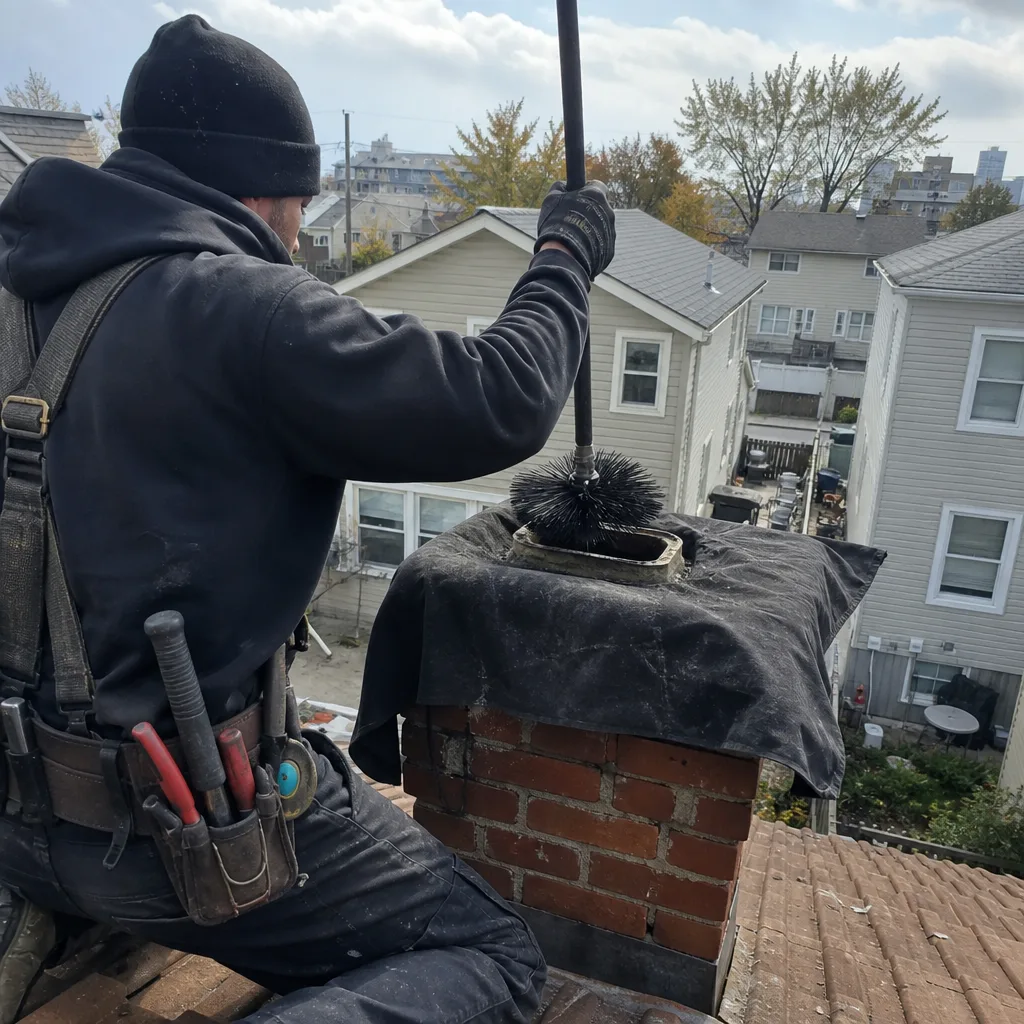
Chimney sweep logs do not sweep chimneys. They loosen some creosote - which then falls where a brush and vacuum still have to collect it.
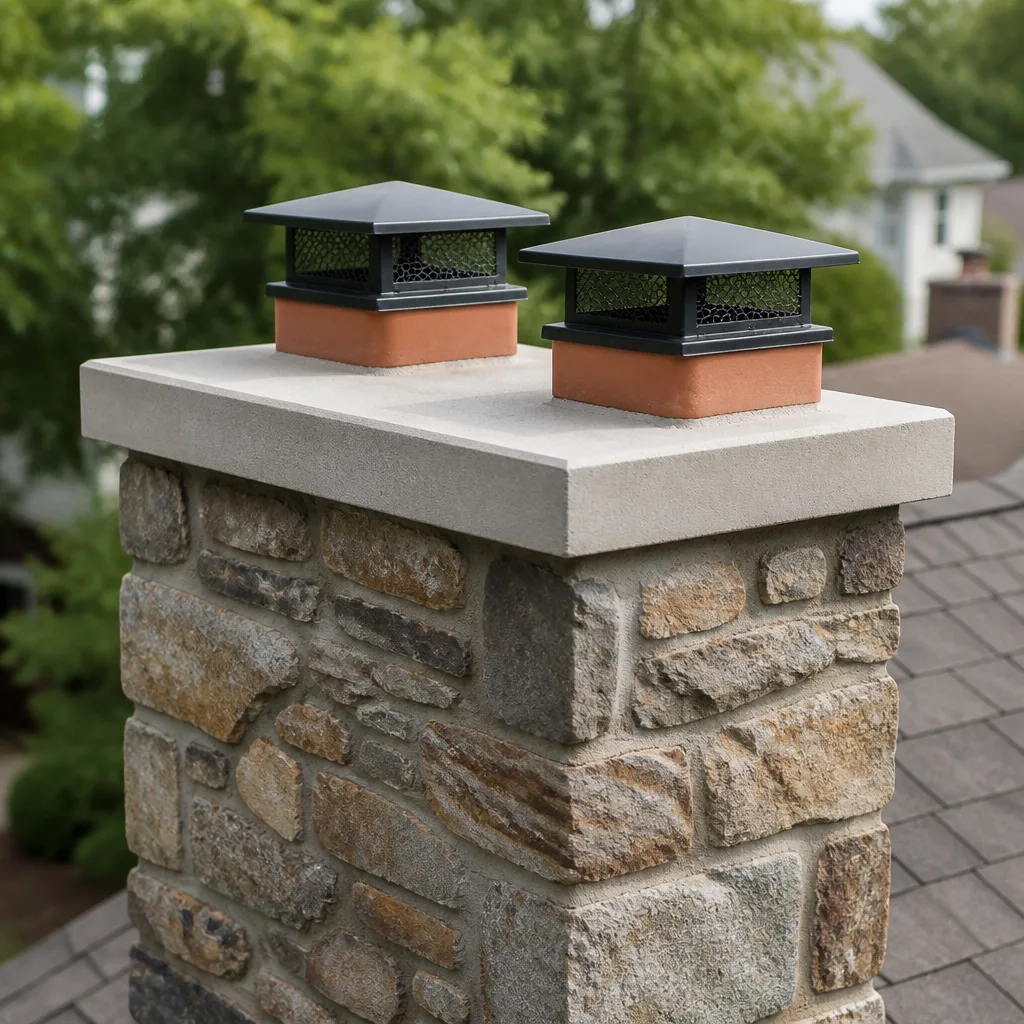
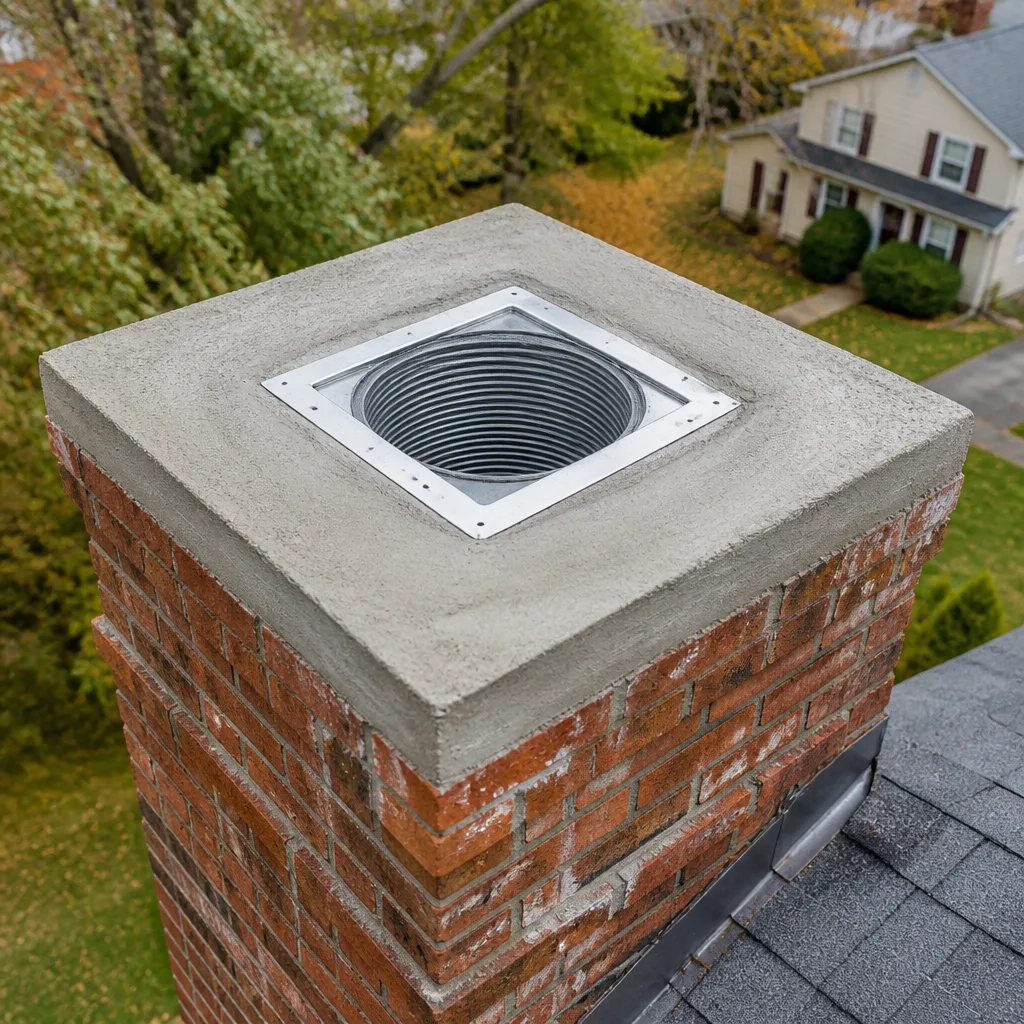
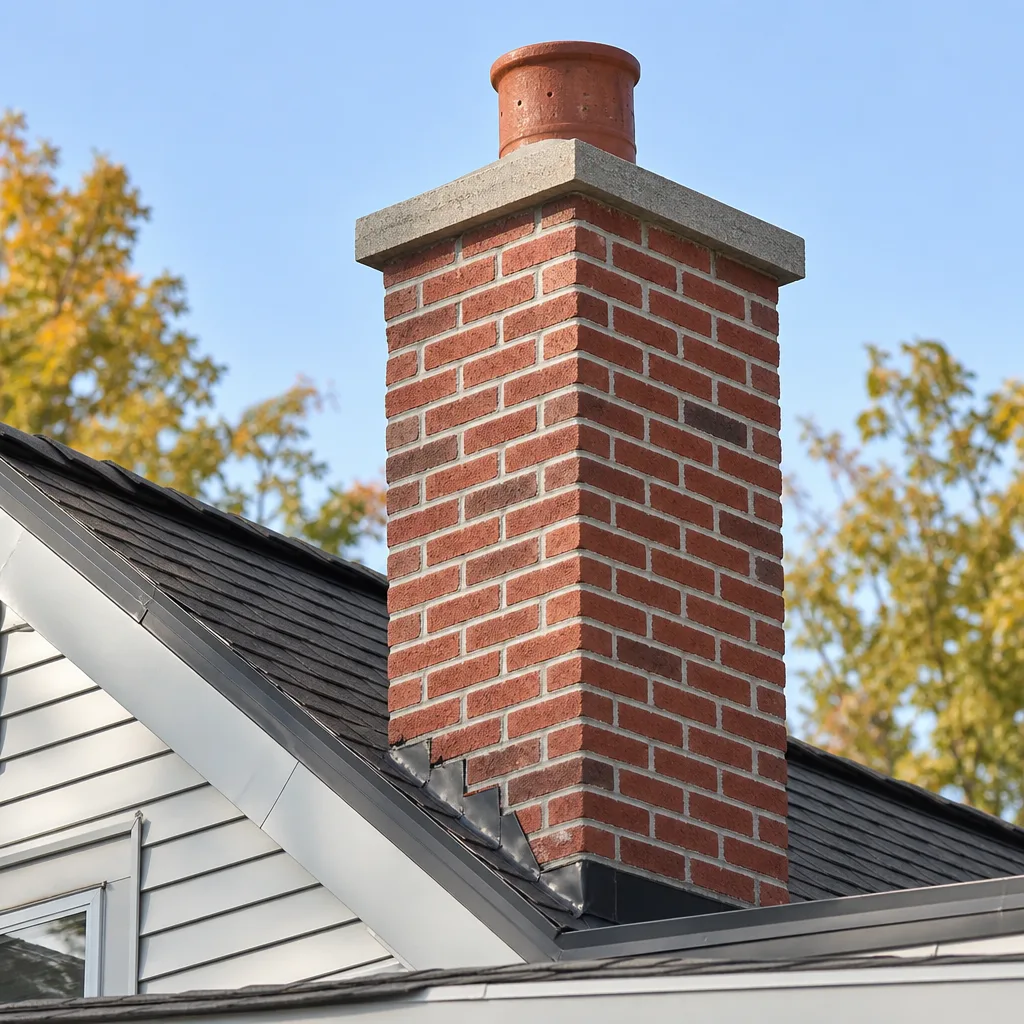
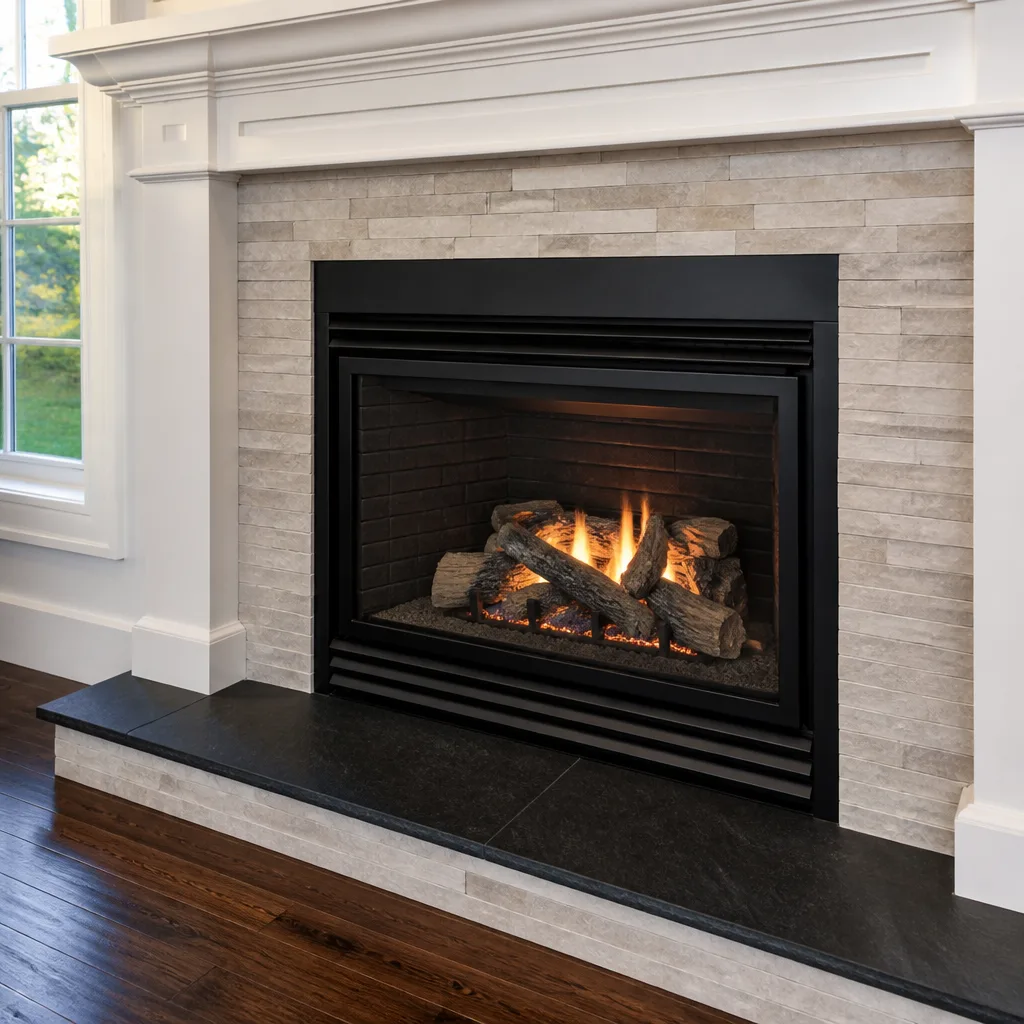
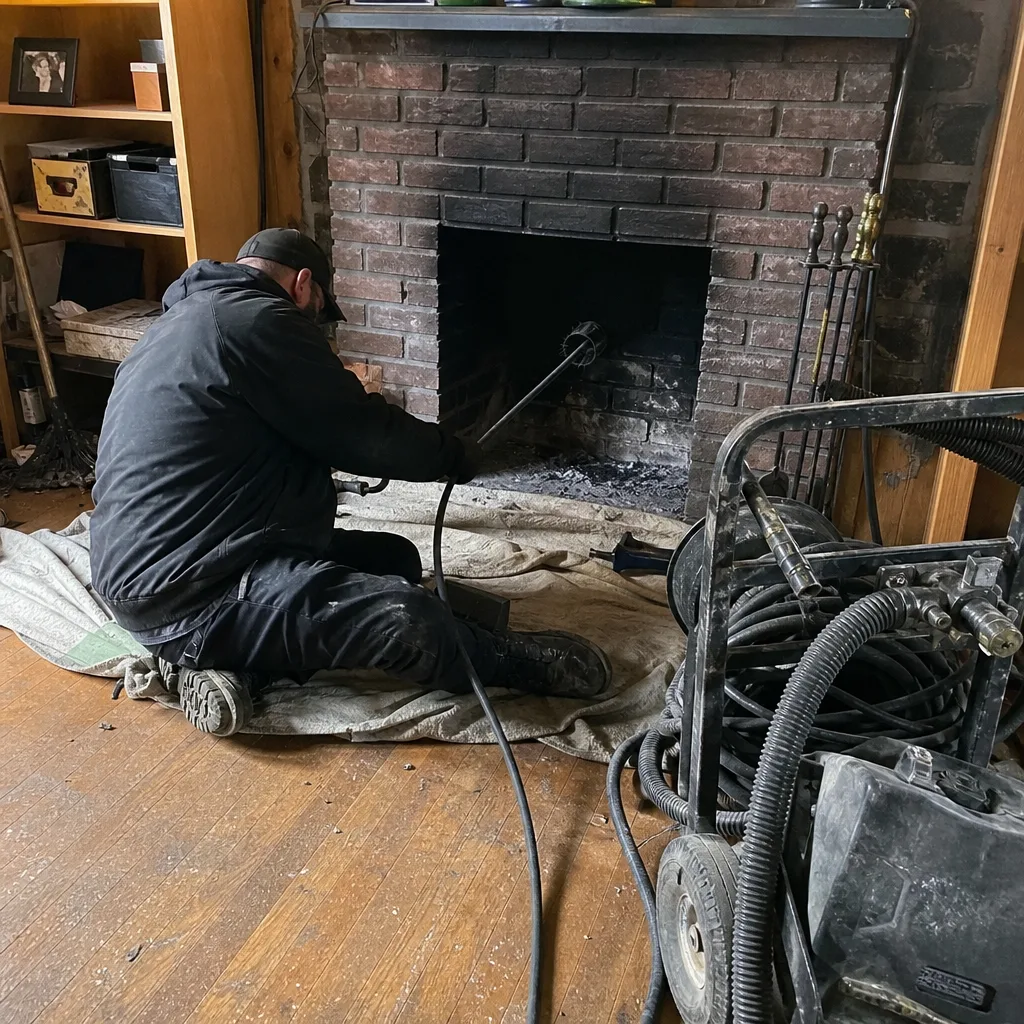 Before
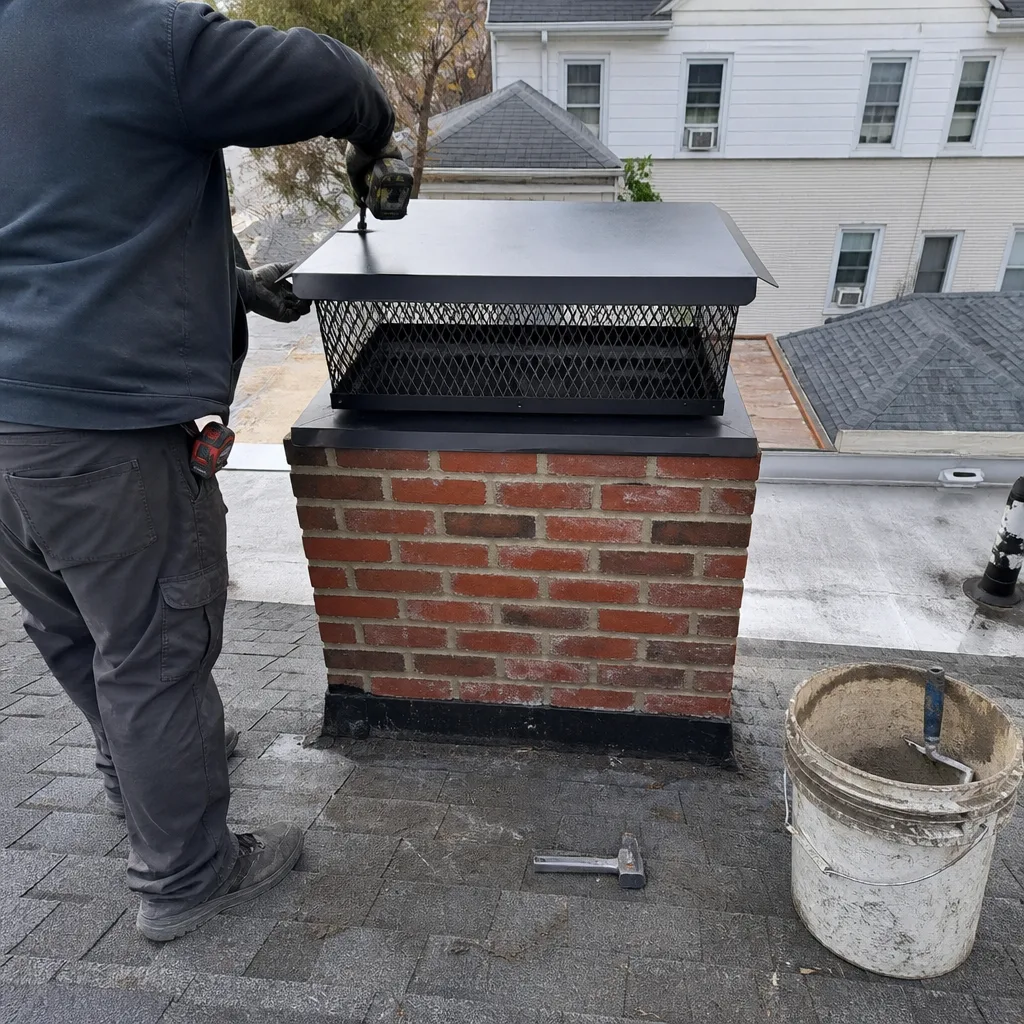 After
After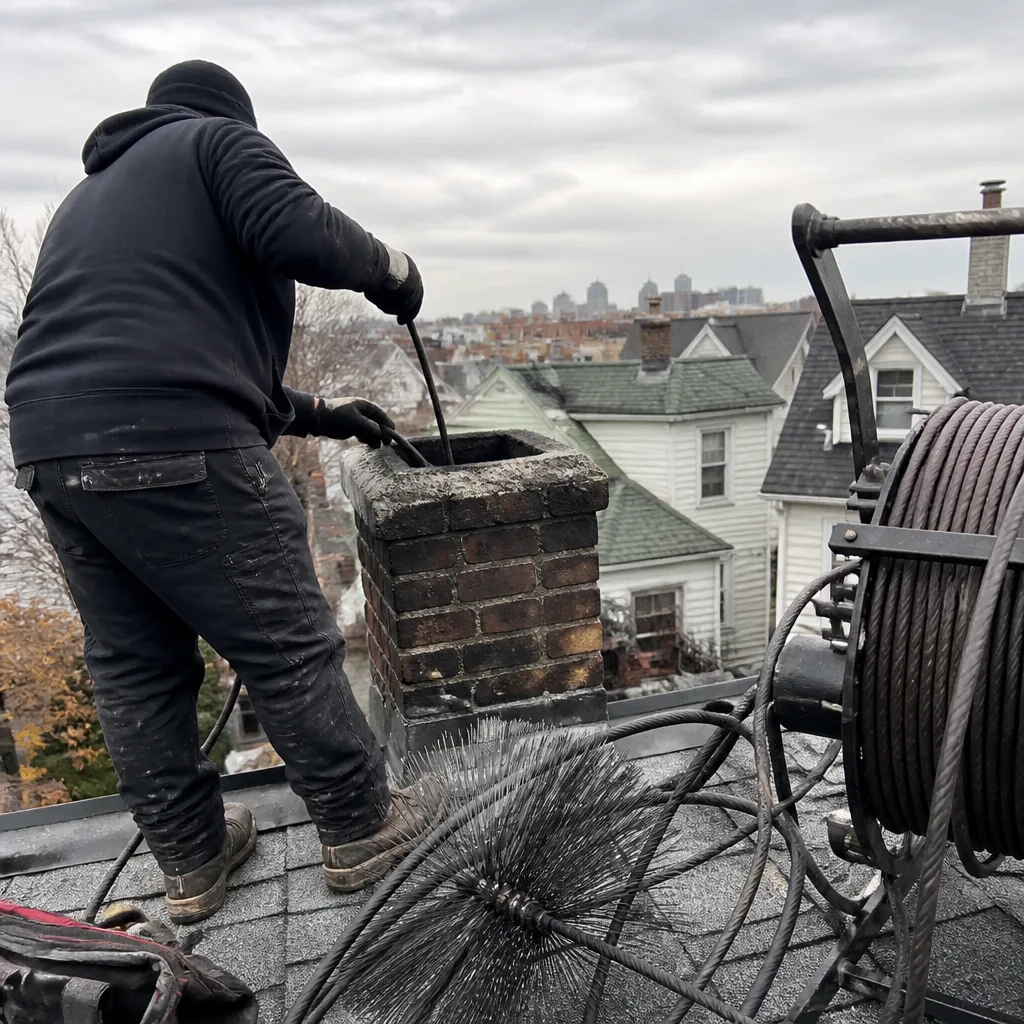 Before
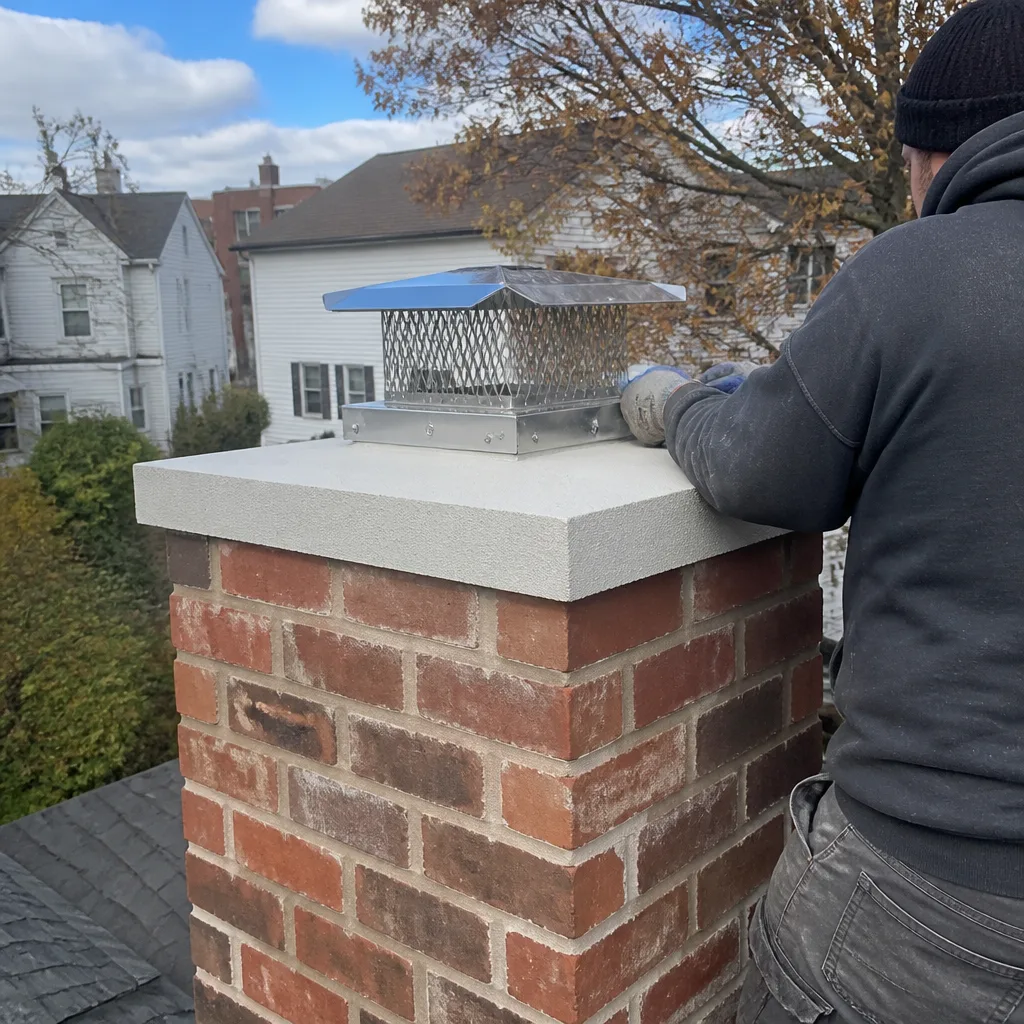 After
After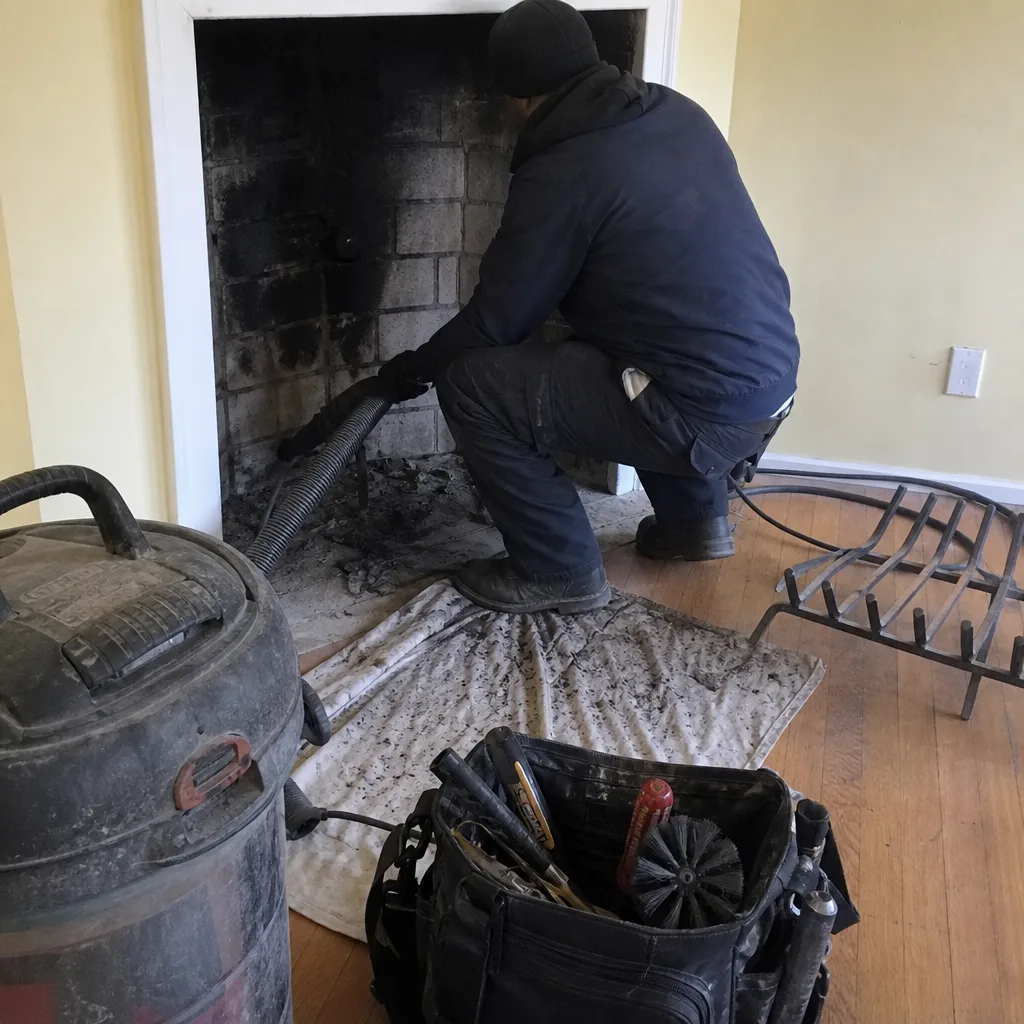 Before
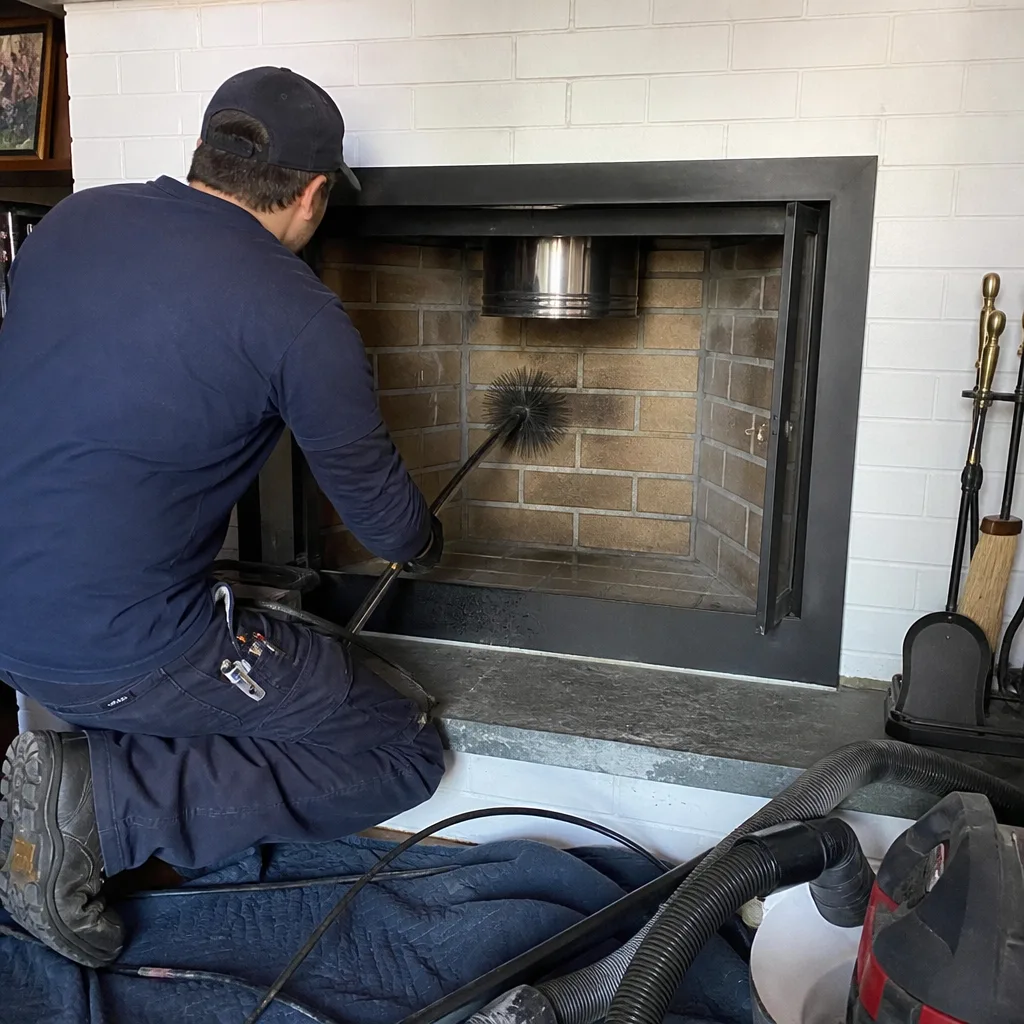 After
AfterChimney Cleaning Permits, Codes & Inspections in NY: What You Need to Know
Your chimney cleaner doesn’t need a permit to sweep your flue. Your chimney contractor absolutely needs one to reline it, and in New York City’s jurisdiction, “Astoria” means NYC DOB rules apply, not upstate standards. That distinction, between the cleaning itself and the repairs cleaning reveals, is where Astoria homeowners get burned: they hire someone with a brush and a truck, the tech finds a cracked liner, and before they know it, unpermitted work is happening inside their chimney with no inspection, no documentation, and no recourse if it fails. This guide draws the line clearly: what requires a permit, what triggers an inspection, what the code actually says, and what happens when that line gets crossed. For a deeper look at proper maintenance, see our Chimney Cleaning & Sweep Maintenance Checklist for Astoria Homeowners.
Quick Answer
Routine chimney sweeping and cleaning does not require a permit anywhere in New York State, including Astoria, because it’s classified as maintenance, not construction. For warning signs that your chimney needs attention, read our Chimney Cleaning Warning Signs: A Astoria Homeowner’s Reference Guide. However, any repair that alters the chimney’s structure, liner, or fire safety function, such as relining, rebuilding a crown, or replacing a flue tile, requires a permit from the NYC Department of Buildings, since Astoria falls under NYC jurisdiction. Level 2 inspections, governed by NFPA 211, are required after a chimney fire, before a home sale, or after any change to the heating appliance.
Table of Contents
- The Legal Line: Cleaning vs. Repair in New York
- Why Astoria Means NYC DOB Rules, Not NYS Code Alone
- NFPA 211 Level 2 Inspections: When They’re Triggered and What They Include
- What a NYC DOB Permit for Chimney Work Actually Requires
- The Insurance Problem: Unpermitted Repairs and Voided Claims
- Co-ops and Condos in Astoria: Different Rules for Shared Flues
- What Chimney Cleaning and Inspection Cost in Astoria
- Common Mistakes to Avoid
- When to Call a Professional
- Frequently Asked Questions
- The Bottom Line
 Before
 After
AfterThe Legal Line: Cleaning vs. Repair in New York
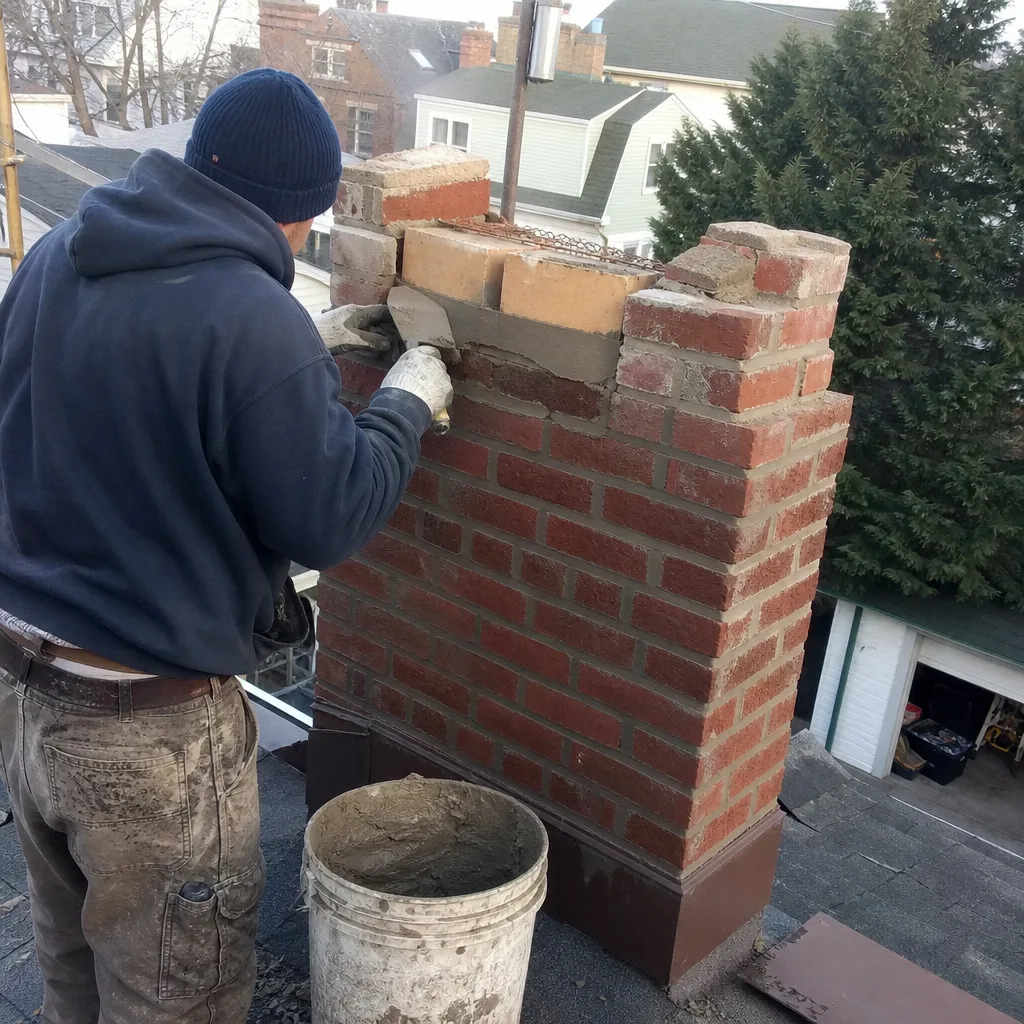
Here’s the rule in plain English: sweeping a chimney is maintenance. Relining it, rebuilding it, or altering its firebox is construction. The first doesn’t require a permit. The second does. New York State building code doesn’t treat a chimney brush the same way it treats a trowel and mortar, and neither should you.
But the practical problem is that cleaning and repair are not separate events. They happen in sequence. A sweep runs a camera up the flue, sees a cracked clay tile or a rusted-through steel liner, and suddenly the “routine cleaning” becomes a structural conversation. That’s the moment the permit question arrives, and it’s the moment a lot of contractors try to wave it away. “We don’t need to pull a permit for this,” they’ll say. “It’s just a liner swap.” It’s not just a liner swap. Under NYC Administrative Code, replacing a chimney liner is an alteration to a fire safety system, and alterations require a permit from the Department of Buildings. Period.
Here’s a simple way to think about it, one we use with Astoria homeowners every week:
- Permit-free: sweeping, creosote removal, camera inspection, smoke test, minor cap tightening, flashing caulking, damper lubrication.
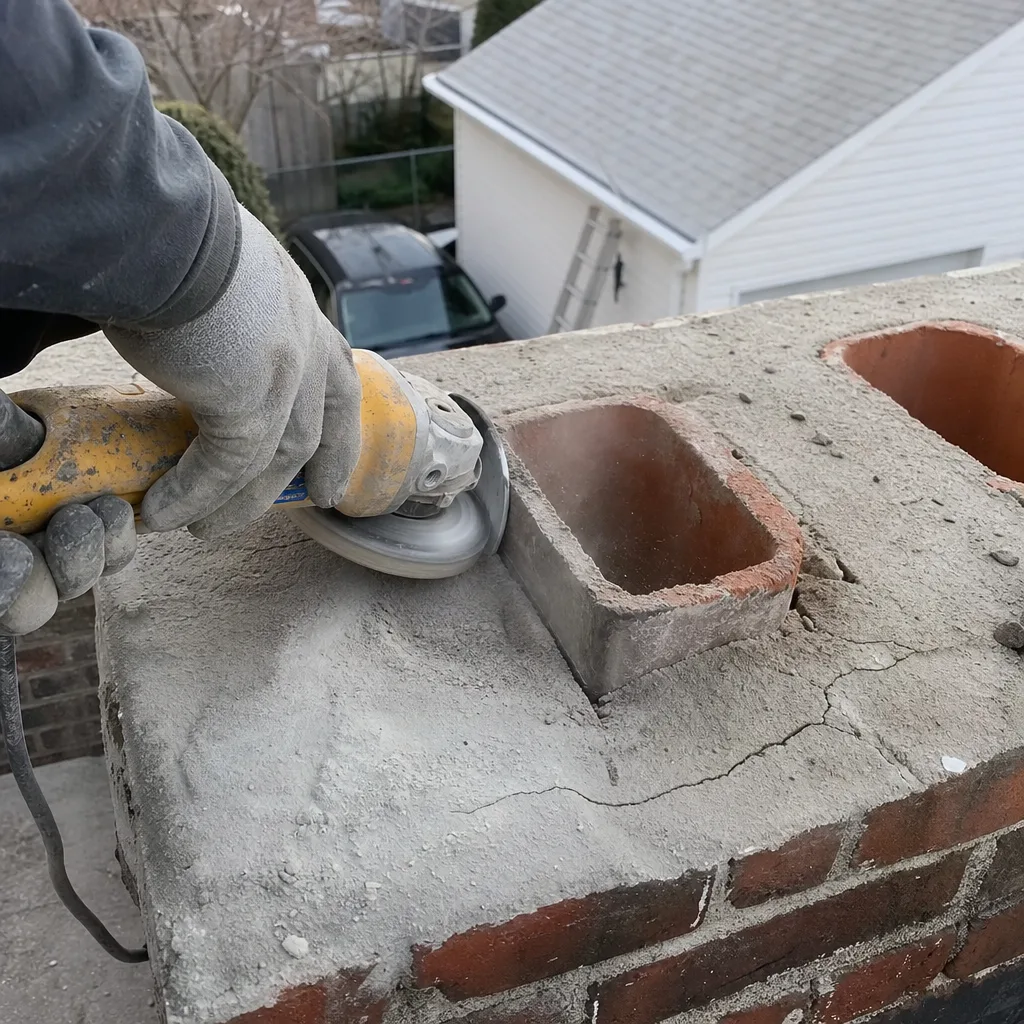
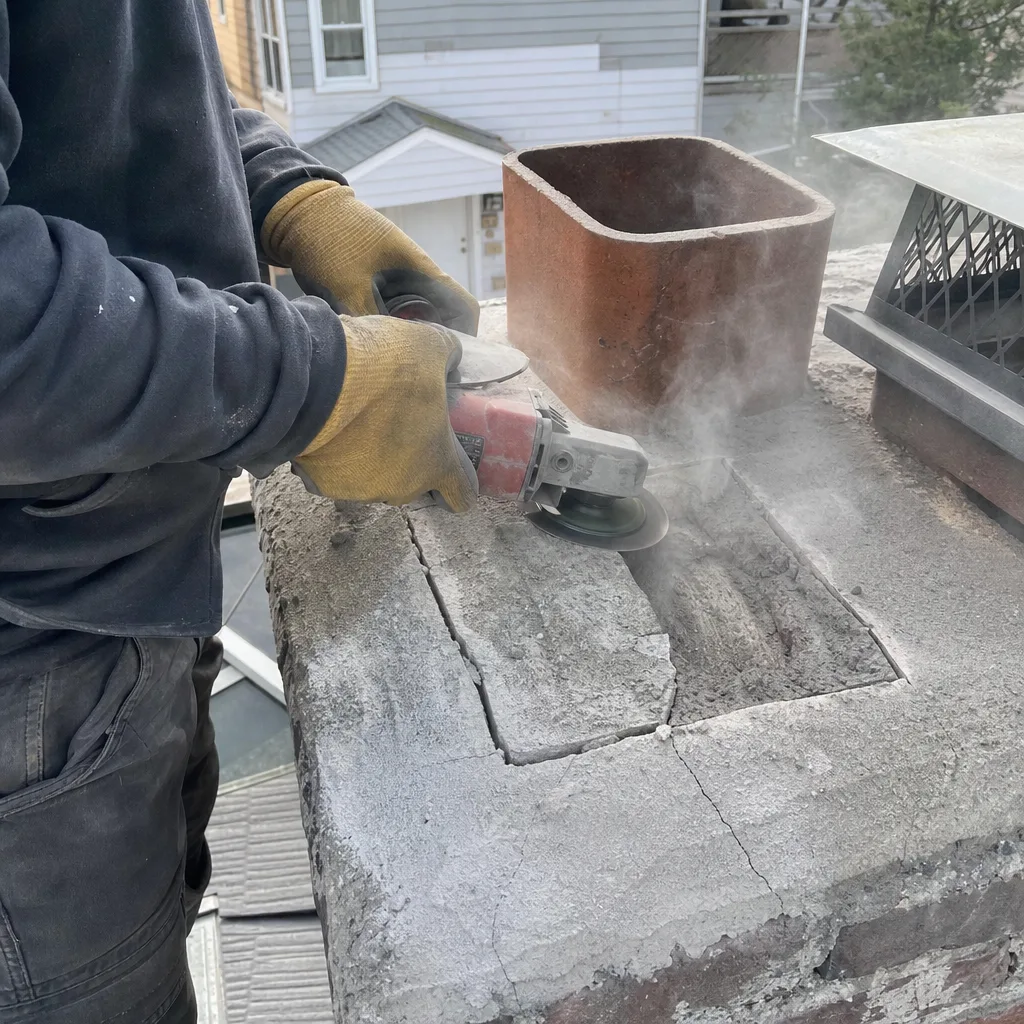
- Permit-required: flue liner installation or replacement, crown rebuild, firebox repair with new masonry, smoke chamber parging, any change to flue dimensions, any relocation or alteration of the chimney’s connection to an appliance.
In our experience, the repairs most often hidden inside a “cleaning” are liner issues. Astoria has tens of thousands of prewar row houses and attached brick homes. Many still have original terra cotta liners from the 1920s and 1930s. Those liners crack. When they crack, the fix is a new liner, and a new liner means a permit. A contractor who says otherwise is not doing you a favor. He’s exposing you to liability you don’t even know you’ve taken on.
Why Astoria Means NYC DOB Rules, Not NYS Code Alone
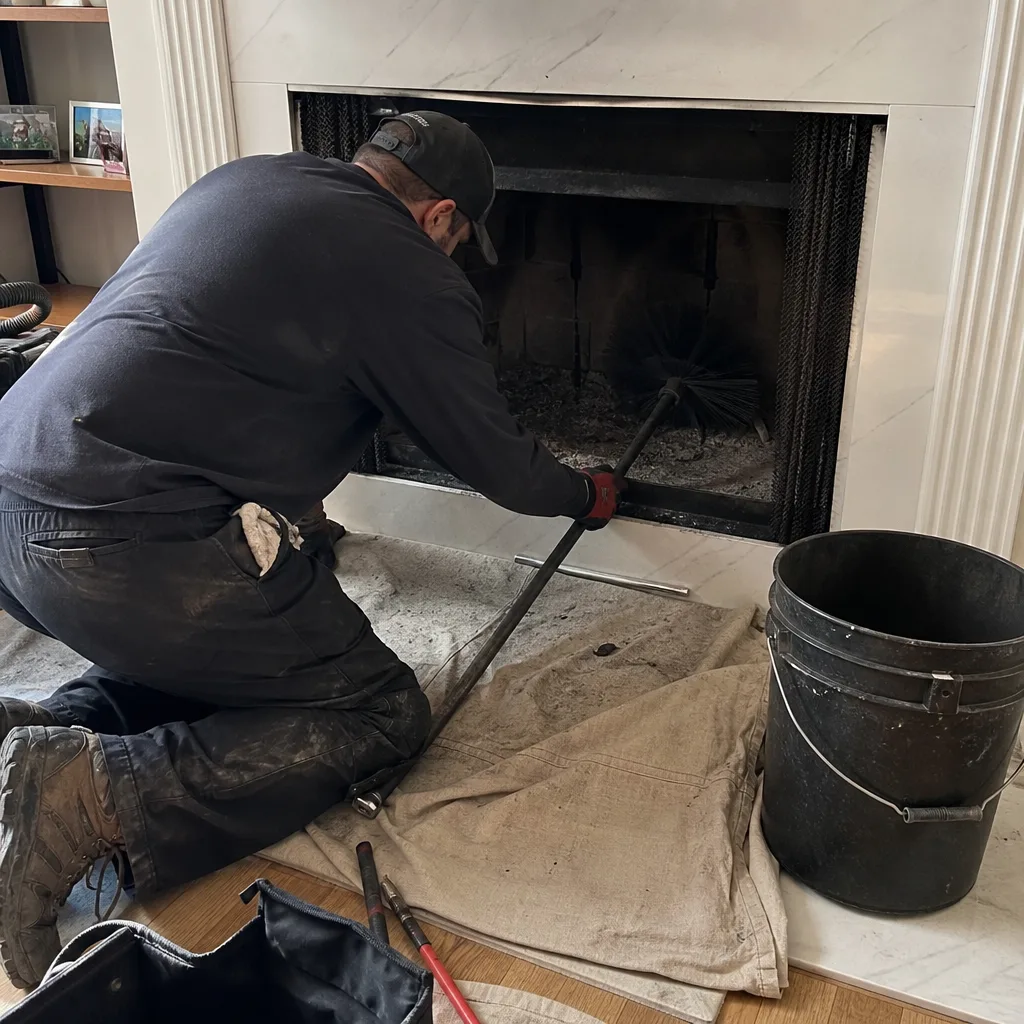
New York State has a residential code. New York City has its own building code. They overlap, but they are not the same thing, and for Astoria homeowners, the city code is the one with teeth. Astoria is in Queens County, which is entirely within New York City, which means the NYC Department of Buildings has jurisdiction over every chimney repair that touches structure or fire safety. The New York State Fire Code and the NYC Fire Code both adopt NFPA 211 as the inspection standard for chimneys, but it’s DOB that enforces permit requirements in the five boroughs.
What does that mean practically? A contractor licensed upstate in Albany or in Nassau County cannot automatically pull permits in Queens. NYC DOB licensing is separate. A Nassau County plumber who tells you he handles “all of New York” may not be authorized to file with DOB for a liner replacement in Astoria. You should see a license number, and you should be able to verify it on DOB’s website before work begins. At Level Two Chimney Astoria home, our license number is on every page of the site, not because the law requires it there, but because we want you to check it before we ever knock on your door.
Astoria also has a particular building stock that makes DOB compliance more urgent: attached row houses. When your chimney abuts your neighbor’s chimney at the party wall, the code treats your flue as part of a shared system. A liner failure in your chimney can migrate heat and gases into a neighbor’s home. That’s why DOB permit filings for attached homes in Queens often require not just a work permit, but a post-work inspection by a DOB inspector or a registered design professional. This isn’t bureaucracy. It’s the same reason the city requires it for electrical work: fire in attached housing spreads.
We’ve also seen a recurring pattern in Astoria’s older co-ops: a shareholder wants to convert a wood-burning fireplace to gas. The conversion itself needs a DOB permit. The liner required for that gas appliance needs a permit. The venting needs a UL listing. And because it’s a co-op, the board’s alteration agreement adds its own layer of approval. None of that is optional. We run into shareholders who were told by a handyman that “nobody pulls permits for this stuff in Queens.” The handyman is wrong, and the shareholder finds out when the board’s engineer flags the work at resale.
NFPA 211 Level 2 Inspections: When They’re Triggered and What They Include
NFPA 211 is the National Fire Protection Association’s standard for chimneys, fireplaces, vents, and solid fuel burning appliances. It’s the standard the NYC Fire Code references for chimney inspection, and it defines three levels of inspection. The one that matters most for Astoria homeowners is the Level 2 inspection, because it’s the one that involves a camera.
What a Level 2 Inspection Includes
- A visual examination of the entire chimney exterior, interior, and accessible attic or crawlspace portions.
- A video scan of the flue interior using a camera, documenting the full length of the liner from firebox to termination.
- Verification of proper clearances from combustibles at the chimney’s connection points.
- An inspection of the flue interior for cracks, gaps, creosote accumulation (classified by degree), and liner deterioration.
- Documentation of any obstructions, such as nesting material, fallen mortar, or broken flue tiles.
When a Level 2 Is Required
- After a chimney fire. Any fire event in the flue, even one that seems minor, can compromise the liner and mortar joints.
- After an earthquake or structural event. Less common in Astoria than in California, but structural shifts from foundation work or adjacent construction count.
- Before the sale or transfer of a home. Many home inspections in Queens now include a Level 2 chimney inspection as a standard condition, and co-op boards increasingly require one.
- After any change to the heating appliance. If you replace an oil boiler with gas, install a wood stove insert, or convert a fireplace, NFPA 211 requires a Level 2 inspection before the new appliance is used.
- When an exterior inspection finds damage. If a technician sees a cracked crown or spalling brick from the ground, a Level 2 camera inspection is the next step.
Here’s what a Level 1 inspection is not: it’s not a camera scan. A Level 1 is the “flashlight look,” a visual check of the accessible portions of the chimney with no video documentation. It is not enough to see the inside of a 30-foot flue in an Astoria row house. Anyone who says they “inspected” your chimney but didn’t run a camera has done a Level 1, and a Level 1 cannot see cracked liners, hidden creosote, or gaps in the flue. Our Chimney Cleaning & Sweep in Astoria service includes a camera-scan inspection on every visit, with the photo record delivered to you as a documented archive. We started doing that in 2009, years before it became common practice, and it’s now written into Clause 4 of the Haven Standard: every job gets a photo record, no exceptions.
What a NYC DOB Permit for Chimney Work Actually Requires
Let’s be precise about what a NYC DOB permit involves, because the contractors who skip it will happily misrepresent it. They’ll tell you it takes months. It doesn’t. They’ll tell you it’s expensive. It isn’t, not compared to the cost of the work itself. They’ll tell you the DOB will come and “red-tag” your chimney if they see anything else wrong. They might. That’s the point of an inspection.
A legitimate DOB permit for chimney work in Astoria, typically for a liner replacement or a crown rebuild, involves:
- A work permit application filed by a licensed contractor. The contractor must hold a NYC Department of Buildings license. Not a county license. Not a state license. A DOB license.
- Plans or a work proposal, when required. For most liner replacements, a licensed contractor can file a Limited Alteration Application (LAA) without full architectural drawings. For complex rebuilds, drawings from a registered architect or engineer may be needed.
- A permit fee. For a standard chimney liner replacement, DOB filing fees are typically in the low hundreds, not thousands. The contractor’s time for filing is usually the larger cost, and that’s legitimate.
- A post-work inspection. After the work is done, a DOB inspector or a registered design professional verifies that the work was performed as described in the filing.
- A sign-off. The permit is closed, and the record is filed with DOB. That record is what you produce when your insurance company asks, or when a buyer’s home inspector asks, or when your co-op board asks.
What does the contractor who skips permits tell you all that requires? “Six months of waiting.” “The inspector will fail you for the old boiler.” “We’ll save you the filing fee.” What he’s actually doing is avoiding the paper trail that would hold him accountable. The work gets done, you pay cash or by check, and there’s no record it ever happened. If the liner fails next winter, his name isn’t on any document you can show anyone. If your house has a fire, your insurance company asks for permits. There are none. That’s a denied claim.
We file permits for every repair that requires them in Astoria. It’s not a selling point. It’s what the law requires, and it’s what protects you. Our written price, written scope, and written warranty are delivered before work starts, with the permit filing included as a line item. That’s Clause 1 of the Haven Standard: have it in writing. Not “we’ll get you a number.” Not “trust us.” Writing.
The Insurance Problem: Unpermitted Repairs and Voided Claims
Here’s the scenario we see most often, and it’s always too late by the time we see it: a homeowner in Astoria had a liner replaced five years ago by a contractor who didn’t pull a permit. Last winter, the chimney smoked badly or, in the worst cases, a chimney fire started in the flue. The insurance adjuster arrives, asks for records, and the homeowner has a receipt from a guy with a truck. No DOB filing. No inspection sign-off. No photo documentation. Just a handwritten invoice that says “liner installed.” The adjuster’s job is to find a reason to deny the claim. The unpermitted liner is that reason.
Insurance policies for New York homeowners typically contain language requiring that any work affecting the structure or fire safety systems be performed in compliance with local code. A liner replacement is a fire safety system. Local code in Astoria is NYC DOB. No permit means no compliance means no coverage. The insurance company doesn’t have to prove the unpermitted liner caused the fire. They only have to show that the work was done illegally and that the insured knew or should have known. That’s an easy meet, and it’s how a $4,000 liner job becomes a $25,000 uninsured loss.
The same principle applies to resale. When you sell a home in Astoria and the buyer’s inspector flags the chimney, the buyer’s attorney will ask for permits. If you don’t have them, you negotiate from a position of weakness: either a credit at closing, or the buyer walks. We’ve been called in on dozens of those negotiations. The seller usually pays for the second inspection, and the buyer usually demands a permitted repair. Doing it right the first time costs less than doing it over when the clock is running on a contract.
Our advice is straightforward: before you hire anyone to touch the inside of your chimney, ask one question. “Will this work be filed with the NYC Department of Buildings?” If the answer is anything other than “yes, and here’s the permit number after we file,” you’re not talking to a contractor. You’re talking to a risk you can’t see yet.
Co-ops and Condos in Astoria: Different Rules for Shared Flues
Astoria is not just row houses. It’s one of the densest co-op and condo markets in Queens. And the rules for chimneys in those buildings are different, because the flue you see in your unit may not be yours alone. In many Astoria co-ops, especially prewar brick buildings along 21st Street, Ditmars Boulevard, and 30th Avenue, multiple units share a flue riser. Your fireplace on the third floor vents through a flue that also serves the unit above you or below you, depending on the original design.
What does that mean for permits and inspections?
- Board approval comes first. Any work on a shared flue requires the co-op board’s prior written consent. That’s not a city requirement. It’s an alteration agreement requirement, and boards in Queens enforce it aggressively.
- The building’s engineer may need to review the scope. Many co-ops require that a licensed professional engineer review and approve any chimney work before it’s filed with DOB. That’s an additional cost and an additional step, and it’s non-negotiable.
- The permit is filed in the building’s name, not just yours. For work affecting a shared system, the DOB filing often lists the corporation or condominium association as the owner, not the individual shareholder.
- Inspection triggers are different. If one unit has a chimney fire, the entire shared flue may need to be inspected, because the liner may have been compromised across multiple floors. NFPA 211’s post-fire requirement applies to the whole system, not just the unit where the fire started.
- Access issues can delay work. If the flue needs to be relined from the roof down, the contractor needs roof access, which in a co-op means super approval, board notification, and often a specific window of time.
We’ve done enough co-op work in Astoria to know the rhythm of it: the board meeting, the alteration agreement, the engineer’s sign-off, the DOB filing, the post-work inspection, the board’s final walkthrough. It’s slower than single-family work, and that’s fine. The slower pace is the point. A shared flue is a shared risk, and nobody on the board wants to be the one who approved a cheap liner job that later smokes out three apartments. If you’re a shareholder with a fireplace that hasn’t been inspected in years, start with the camera. Then take the photos to your board. Then let us handle the filing.
What Chimney Cleaning and Inspection Cost in Astoria
Let’s name the numbers, because that’s the whole point of this page. Here’s what chimney work in Astoria typically costs in 2026:
| Service | Typical Cost in Astoria | Permit Required? |
|---|---|---|
| Chimney sweep and cleaning (standard flue) | $180 - $340 | No |
| Level 2 camera inspection (with sweep) | Included in sweep price at Level Two | No |
| Level 2 camera inspection (standalone) | $150 - $300 | No |
| Chimney cap replacement (standard stainless) | $250 - $550 | Usually not, unless structural work is involved |
| Crown repair (minor, mortar only) | $400 - $800 | Sometimes, depending on depth of rebuild |
| Crown rebuild (full replacement) | $1,200 - $2,500 | Yes |
| Stainless steel liner installation (single flue) | $3,500 - $7,000 | Yes |
| Firebox repair with new masonry (partial) | $1,500 - $4,000 | Yes |
| Full smoke chamber parging | $1,800 - $3,500 | Yes |
These are Astoria market ranges based on work we’ve quoted and performed here since 2009. They will not match an upstate price sheet, because labor rates, DOB filing costs, and access conditions in Queens are what they are. A five-story roof in a co-op building is not the same job as a ranch house chimney in Oswego. Prices here assume attached housing, which most Astoria homes are, and they assume a responsible contractor who files permits when the work requires them.
The number we want you to notice is the one with the camera. A Level 2 inspection is not an optional add-on at our shop. It’s included with every sweep, because without it, the sweep is just a brush going up and down. You can’t see Class III creosote. You can’t see hairline cracks in a liner. You can’t see a missing flue tile behind the damper. The camera sees all of it, and the photo record is yours to keep. That’s Clause 4. That’s the base price. We don’t charge extra for evidence.
Common Mistakes to Avoid
- Hiring a handyman to “sweep” the chimney and then fix what he found. A handyman is not licensed to file a DOB permit, which means any repair he does is unpermitted by definition. In Astoria, an unpermitted liner replacement is a time bomb under your insurance policy.
- Accepting a verbal clearance after a chimney fire. After any fire event in the flue, NFPA 211 requires a Level 2 inspection. A technician who says “looks fine from here” without a camera is guessing, and a guess after a fire is negligence.
- Confusing a home inspector’s chimney note with a real chimney inspection. A home inspector checks the chimney from the roof and firebox during a standard home sale inspection. That’s a Level 1 at best. If they note anything suspicious, you need a Level 2 camera scan, not a shrug.
- Paying cash and skipping the written contract. No written scope, no written price, no written warranty means no leverage when the work fails. A contractor who wants cash and no paper trail knows exactly why he wants it.
- Assuming a Nassau County license covers Queens. It doesn’t. NYC DOB licensing is separate from county licensing in New York. Verify the license number on the DOB website before work begins.
- Ignoring the crown because “it’s just concrete.” A cracked crown lets water into the chimney structure year-round. In Astoria’s freeze-thaw cycles, that water freezes, expands, and spalls the brick. The crown is the cheapest repair on the chimney and the one that prevents the most expensive ones.
- Treating a co-op fireplace like a single-family one. In a shared-flue building, your repair affects neighbors, and the board’s alteration agreement is not optional. Get board approval in writing before any work starts.
When to Call a Professional
Call a professional if you’ve had a chimney fire, even a small one. Call if you smell smoke in the house when the fireplace is not in use, if you see white staining on exterior brick, or if you notice pieces of flue tile in the firebox. Call before you buy a home in Astoria, when the inspection report flags the chimney, or before you convert a fireplace to gas. And call if the last company that “cleaned” your chimney didn’t run a camera and didn’t give you a written record of what they found. Fireplace Services in Astoria from our team include the camera scan, the photo record, and the written price before work starts. Estimates are free. Call (516) 301-1549.
Frequently Asked Questions
No. Routine chimney sweeping and creosote removal are classified as maintenance, not construction, and do not require a permit anywhere in New York State, including Astoria. A permit becomes necessary only when the cleaning reveals a repair that alters the structure, liner, or fire safety function of the chimney. Call (516) 301-1549 for a free estimate on a sweep that includes a camera inspection.
For a wood-burning fireplace in regular use, the NFPA recommends a sweep once creosote buildup reaches 1/8 inch, which for most Astoria homes means once per year. Oil flues and gas flues can often go longer between cleanings, but an annual camera inspection catches liner damage before it becomes a fire hazard. The rule we give our customers: sweep it when the season starts, not when the smoke starts.
A Level 2 inspection is triggered by a chimney fire, any structural event, the sale of the home, or any change to the heating appliance connected to the flue. It includes a video scan of the full flue interior, which is the only way to see cracked liners, gaps, and creosote classes that a visual look from the firebox misses. If you’re buying or selling in Astoria, a Level 2 is the standard the buyer’s attorney will expect.
Yes. Replacing a flue liner is an alteration to a fire safety system under the NYC Administrative Code, and it requires a DOB permit filed by a licensed contractor in Astoria. A contractor who says otherwise is telling you he doesn’t file permits, which means your insurance company can deny a future fire claim. The permit filing is a line item on the written quote, not a favor.
DOB filing fees for a standard liner replacement are typically in the low hundreds of dollars, not thousands. The contractor’s time for preparing and filing the application is the larger portion of the cost, and it’s included in our written price before work starts. A permit is not a luxury. It’s the receipt that protects you when someone asks, years later, whether the work was legal.
Yes. In a shared-flue co-op, the chimney system serves multiple units, and any work requires board approval, often an engineer’s review, and a DOB filing that lists the corporation as the owner. A single-unit chimney fire can trigger a Level 2 inspection for the entire flue riser, not just the unit where it started. If you’re a shareholder, start with the camera scan and bring the photos to your board. Call us at (516) 301-1549 and we’ll walk you through it.
The Bottom Line
Chimney cleaning in New York doesn’t need a permit. Chimney repair does, and in Astoria, the repair is the part that matters. The line between them is crossed the moment a sweep sees a problem that requires structural work: a liner, a crown, a firebox. That’s when DOB jurisdiction, insurance compliance, and resale value all arrive at once. Do the cleaning regularly, do the inspection with a camera, and do the repairs with a permit on file. Explore our more guides & resources for Astoria homeowners. That’s the whole rule. Everything else is someone trying to sell you an exception that doesn’t exist.
Level Two Chimney Astoria offers free estimates in Astoria. Call (516) 301-1549 and we’ll give you a written price for the sweep, the inspection, and the photo record. Before any work starts. No exceptions.
Written by Corrine Halstead, Owner at Level Two Chimney Astoria, serving Astoria since 2009.